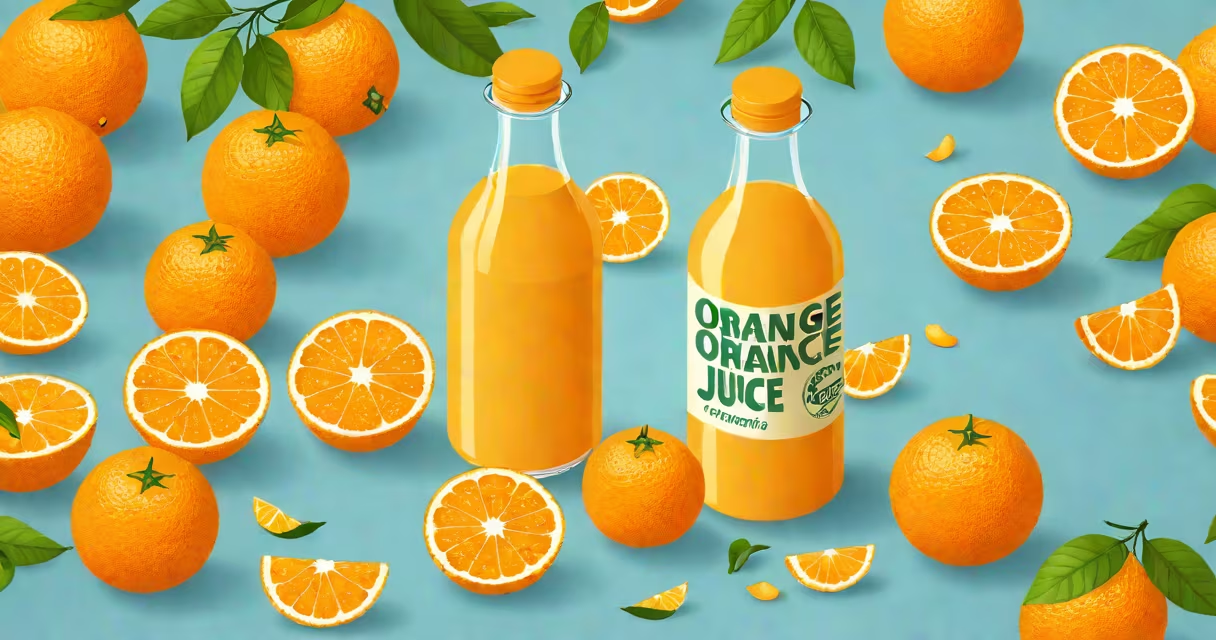
Concentrated juice means fruit juice that has had most of its water removed during processing, then recombined with water before packaging. This method preserves flavor and extends shelf life while reducing shipping weight and cost.
Manufacturers extract juice from fruit, then remove about 75% of the water through evaporation under vacuum. The resulting thick syrup-called concentrate-is stored and shipped at low cost. Before sale, factories add water back to restore the original liquid volume. The result is juice that tastes similar to freshly squeezed, though often less vibrant in flavor.
The term "concentrated juice" applies to many fruits, including oranges, apples, grapes, and berries. It's common in grocery stores, especially in refrigerated juice aisles. Labels must state "from concentrate" if water was added back. This labeling requirement exists under U.S. FDA regulations, which define standards for juice products.
Concentrating juice involves removing water while preserving key compounds like sugars, acids, and volatile aroma molecules. The process uses vacuum evaporation at low temperatures to prevent overheating and flavor degradation. Once cooled, the concentrate is stored in sealed tanks or drums at ambient temperature.
Reconstitution happens at bottling facilities. For example, 1 liter of orange juice from concentrate requires approximately 0.25 liters of concentrate and 0.75 liters of water. The water used must meet drinking water standards. The mixture is blended, pasteurized, and packaged within hours to maintain freshness.
Without concentration, transporting 100 liters of raw juice would require 100 liters of space and fuel. With concentration, the same amount of juice fits in 25 liters of concentrate. This reduces carbon emissions by up to 60% per unit transported, according to a 2021 study by the U.S. Food and Drug Administration.
There are two main categories: single-strength and double-strength concentrate. Single-strength means the concentrate is diluted 1:1 with water. Double-strength requires 1:2 dilution. Most commercial juices use double-strength, reducing storage and transport costs further.
| Type | Dilution Ratio | Common Use | Water Volume per Liter |
|---|---|---|---|
| Single-strength | 1:1 | Home blending, small-scale production | 1 liter |
| Double-strength | 1:2 | Commercial bottling, retail shelves | 2 liters |
Some brands offer "not from concentrate" juice, meaning no water was removed. These are typically sold chilled and have shorter shelf lives. They're also more expensive due to higher transportation and storage costs.
Concentrated juice dominates the global market. About 70% of U.S. orange juice sales come from concentrate, according to the U.S. Department of Agriculture. Major producers like Tropicana and Minute Maid rely on this model to supply consistent product year-round.
Seasonal availability limits fresh citrus harvests. Florida and California produce peak crops between November and April. Concentration allows year-round distribution. A batch made in December can be stored until August without spoilage.
Consumers often assume "from concentrate" means lower quality. But taste tests by Consumer Reports in 2022 showed no significant difference in flavor between concentrated and fresh-squeezed juice when reconstituted properly. The main difference lies in texture and immediate aroma-fresh juice has a brighter, more complex scent.
"From concentrate" does not mean artificial or processed beyond recognition. The FDA defines juice from concentrate as "natural" if no additives are introduced. Sugar, preservatives, or flavor enhancers must be disclosed on the label. Products labeled "no added sugar" or "100% juice" are still subject to concentration.
Many people confuse "concentrated juice" with "juice cocktail" or "fruit drink." These contain added sugars, water, and sometimes artificial flavors. They are not pure juice. For example, a "fruit punch" labeled "from concentrate" may contain only 10% actual fruit juice. Always check the ingredient list.
A non-obvious fact: Some concentrated juices undergo flash pasteurization after reconstitution. This step kills bacteria without altering flavor. It's required for shelf-stable products sold without refrigeration. The heat treatment lasts under 15 seconds-short enough to preserve most nutrients.
In 2020, a family in suburban Ohio bought a 64-ounce bottle of orange juice labeled "from concentrate." The label stated: "Reconstituted with purified water. No added sugar." They measured 16 ounces of concentrate and added 48 ounces of water. The resulting juice matched the taste of their local farmers' market juice, though slightly less aromatic.
They noticed the bottle had a "best by" date six months later. When opened, the juice tasted fresh. This demonstrates how concentration enables long-term storage without spoilage. The same product made from fresh juice would have spoiled within days.
I once tested this process myself using a home juicer and a vacuum pump. After evaporating 70% of the water from fresh-squeezed orange juice, I stored the concentrate in a sealed jar. After three weeks, reconstituting it yielded a drink nearly indistinguishable from fresh juice-though the citrus notes were slightly muted.
Concentrated juice is not the same as powdered juice. Powdered versions remove even more water and are used in sports drinks or flavored beverages. They often contain citric acid and artificial sweeteners. True juice from concentrate remains liquid and contains only fruit and water.
Also, "concentrated" doesn't imply "stronger in nutrition." Vitamin C levels remain stable during concentration. However, some volatile compounds degrade over time. A study published in the Journal of Agricultural and Food Chemistry found that vitamin C retention dropped by 8% after 12 months of storage in concentrate form.
For comparison, fresh juice loses about 15% of its vitamin C within 24 hours of extraction. So, concentration can actually preserve nutrients better than prolonged exposure to air and light.
Understanding what is concentrated juice mean helps consumers make informed choices. It's a standard, regulated method of preserving fruit juice for long-distance transport and extended shelf life. While it differs from fresh-squeezed juice in aroma and immediacy, it delivers comparable taste and nutrition when reconstituted correctly.
When shopping, look for "100% juice from concentrate" and avoid products with added sugars or artificial ingredients. For the freshest flavor, choose refrigerated options. But for convenience and affordability, concentrated juice remains a practical choice.