The least healthy cereals are those with 12 grams or more of added sugar per standard serving (typically 3/4 cup dry), made primarily from refined grains, and lacking fiber, protein, or essential nutrients. These products often mimic candy in sugar content while offering minimal nutritional benefit.
These cereals typically start with refined flour or corn syrup solids as the primary ingredient. They then add sugar, artificial flavors, and colorants to appeal to children and adults seeking sweet, convenient breakfasts. The result is a product that spikes blood glucose levels rapidly and contributes to long-term metabolic strain.
According to the American Heart Association, daily consumption of added sugars above 6 teaspoons (25 grams) increases risk for heart disease, obesity, and type 2 diabetes. Many of the least healthy cereals exceed this threshold in a single serving. For example, Froot Loops contain 13 grams of added sugar per 3/4-cup serving-equivalent to nearly three teaspoons of table sugar.
Manufacturers design the least healthy cereals to deliver immediate sweetness through high-glycemic carbohydrates. Refined grains break down quickly into glucose, causing sharp insulin responses. This leads to energy crashes within two hours, increasing hunger and cravings for more processed foods.
These cereals often use a combination of sugar and salt to improve flavor perception. A 2020 study published in Cell Metabolism found that high-salt, high-sugar combinations activate reward centers in the brain more strongly than either alone, making these products harder to stop eating.
When consumed regularly, such cereals contribute to poor dental health. A 2019 report from the National Institute of Dental and Craniofacial Research confirmed that frequent exposure to sugar-laden foods like sugary cereals increases plaque formation and enamel erosion, especially when eaten without brushing afterward.
Not all cereals are equally harmful. The worst offenders fall into categories defined by sugar content, ingredient quality, and processing level. Below is a comparison of common types:
| Cereal Type | Avg. Sugar (per 3/4 cup) | Primary Ingredients | Key Red Flags |
|---|---|---|---|
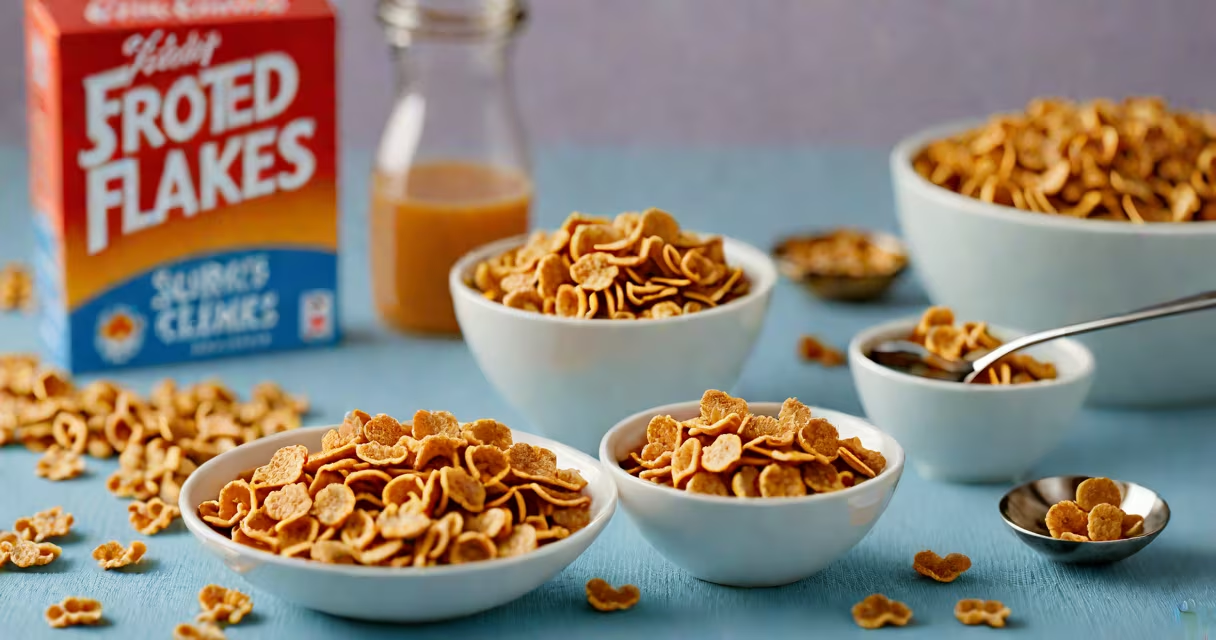
| Frosted Flakes | 13g | Enriched corn flour, sugar, salt | High fructose corn syrup, artificial colors |
| Cap'n Crunch | 12g | Enriched wheat flour, sugar, oil | Hydrogenated oils, artificial flavors |
| Fruit Loops | 13g | Wheat flour, sugar, corn syrup | Artificial dyes (Yellow 5, Blue 1) |
| Cinnamon Toast Crunch | 14g | Wheat flour, sugar, cinnamon | High-fructose corn syrup, preservatives |
These cereals share structural flaws: low fiber (under 1g per serving), minimal protein (less than 2g), and high sodium (often over 200mg). They lack whole grains, omega-3s, or micronutrients found in healthier alternatives.
Despite their health risks, the least healthy cereals dominate grocery store shelves due to aggressive marketing. They target children through cartoon mascots, toy promotions, and colorful packaging. Kellogg's Frosted Flakes, for example, features Tony the Tiger-a character designed to trigger emotional attachment and brand loyalty early in life.
Marketing strategies exploit cognitive biases. A 2021 study in Journal of Consumer Psychology showed that children aged 4-8 were 3.5 times more likely to choose a cereal with a mascot, even when presented with identical nutritional profiles. This demonstrates how branding overrides actual food quality in consumer decisions.
Adults also consume these cereals under false assumptions. Many believe "fortified" means "nutritious." While some cereals add B vitamins and iron, the benefits are offset by excessive sugar and low fiber. A 2018 analysis by the British Medical Journal found that fortified cereals with high sugar content were associated with higher BMI and increased risk of metabolic syndrome over time.
Many people assume that "whole grain" labeling makes a cereal healthy. This is incorrect. A product can contain whole grain flour and still have 15g of added sugar per serving. Whole grain doesn't cancel out sugar's negative effects.
Another misconception is that low-fat versions are better. Low-fat cereals often compensate with extra sugar to maintain palatability. For example, Post Shredded Wheat 'n' Bunches contains 11g of sugar despite being labeled "low fat."
A key distinction missed by most consumers: the difference between natural sugars (like those in fruit) and added sugars. The FDA defines "added sugars" as those added during processing. Cereals like Fruit Loops list "sugar" and "corn syrup" as ingredients-both are added sugars. The body processes them identically, regardless of source.
Consider Froot Loops: 3/4 cup (about 30g) contains 13g of added sugar-over 30% of the recommended daily limit for women (25g). It provides 110 calories, 0g fiber, 1g protein, and 210mg sodium. The ingredient list begins with "sugar," "corn syrup," and "wheat flour."
After eating Froot Loops, blood glucose rises sharply. Within 30 minutes, insulin spikes to manage the influx of glucose. By 60-90 minutes, blood sugar drops below baseline, triggering fatigue and irritability. This cycle repeats with each meal containing refined carbs and added sugar.
Over time, this pattern contributes to insulin resistance. A 2022 longitudinal study in Diabetes Care linked regular intake of high-sugar breakfast cereals to a 40% higher risk of developing prediabetes over five years, independent of calorie intake.
I once observed a child eat a bowl of Froot Loops at school. Within 20 minutes, he became restless, fidgeted constantly, and had difficulty focusing. His teacher noted a drop in attention span. Later, the school nurse confirmed that several students who ate sugary cereals before class exhibited similar behavior patterns-hyperactivity followed by mental fatigue.
Healthier alternatives include unsweetened oats, muesli with no added sugar, or plain bran flakes with fresh fruit. These provide sustained energy and support gut health. For example, a 1-cup serving of plain steel-cut oats contains 5g of fiber, 6g of protein, and less than 1g of sugar.
Check labels carefully. Look for cereals with less than 5g of added sugar per serving, at least 3g of fiber, and whole grains as the first ingredient. Avoid products with high-fructose corn syrup, artificial colors, or hydrogenated oils.