Gas in the digestive tract results from swallowed air and bacterial breakdown of undigested food. Effective methods to stop gas include dietary modifications, over-the-counter medications like simethicone, and lifestyle habits such as eating slowly and avoiding carbonated drinks.
Gas forms when bacteria in the large intestine ferment carbohydrates that escape digestion in the small intestine. These gases-primarily nitrogen, oxygen, carbon dioxide, hydrogen, and methane-are expelled through the rectum. While most gas is odorless, sulfur-containing compounds produced during fermentation cause foul-smelling flatulence.
Common triggers include beans, cruciferous vegetables (broccoli, cabbage), dairy products, artificial sweeteners like sorbitol and xylitol, and carbonated beverages. The average person passes gas 14 times per day, according to the American College of Gastroenterology. When gas becomes painful or excessive, intervention may be needed.
Over-the-counter treatments target different mechanisms. Simethicone reduces surface tension in gas bubbles, causing them to coalesce and pass more easily. Clinical trials show it reduces bloating and discomfort in 60% of users within 30 minutes, per a 2018 review in Alimentary Pharmacology & Therapeutics.
Activated charcoal binds gases in the gut. A 2019 double-blind study published in European Journal of Gastroenterology & Hepatology found participants who took 1 gram of activated charcoal daily reported 35% less bloating compared to placebo. However, charcoal can interfere with medication absorption and should not be taken within two hours of other drugs.
Probiotics containing Lactobacillus and Bifidobacterium strains alter gut microbiota composition. A 2020 meta-analysis in Nutrients showed a 28% reduction in gas symptoms among users of specific probiotic formulations, especially those with irritable bowel syndrome (IBS).
| Method | How It Works | Effectiveness | Best For |
|---|---|---|---|
| Simethicone | Breaks up gas bubbles | 60-70% reduce bloating in 30 min | Acute discomfort, post-meal gas |
| Activated charcoal | Adsorbs gases and toxins | 35% less bloating in 14-day trial | Chronic gas, odor control |
| Probiotics | Modulates gut bacteria | 28% symptom reduction in IBS patients | Recurrent gas, digestive imbalance |
| Dietary changes | Eliminates gas-producing foods | Up to 50% symptom improvement | Long-term management, prevention |
Some people benefit from eliminating high-FODMAP foods-fermentable oligosaccharides, disaccharides, monosaccharides, and polyols. These include onions, garlic, wheat, legumes, and certain fruits. A 2021 randomized controlled trial in Gut found that 60% of IBS patients experienced reduced gas symptoms after following a low-FODMAP diet for four weeks.
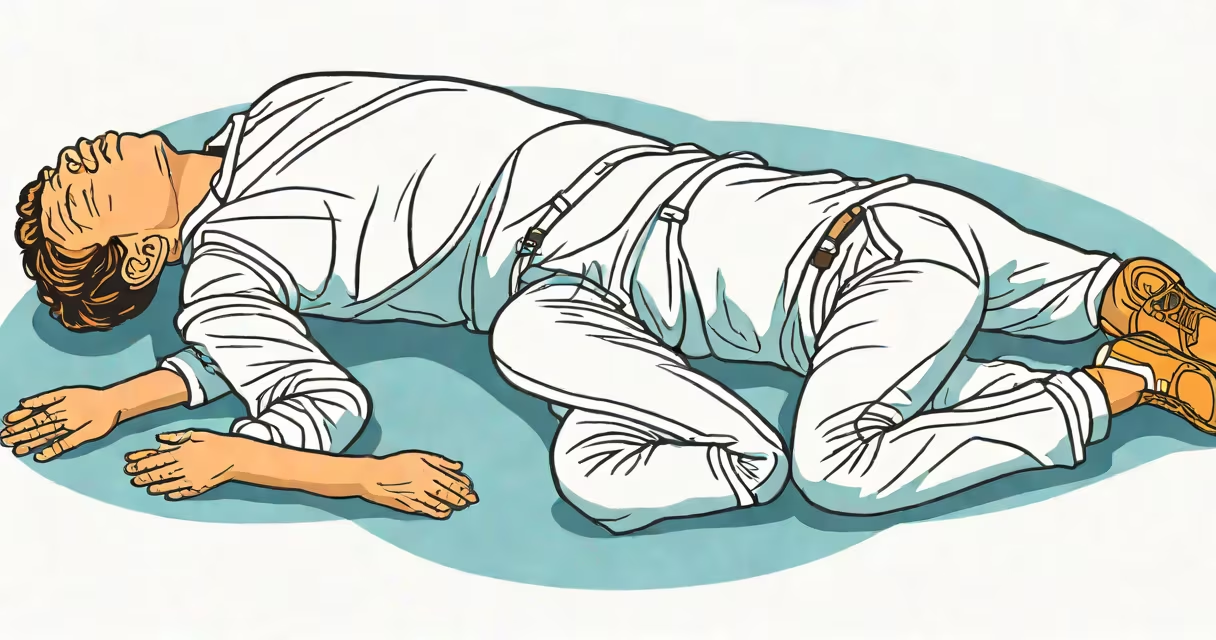
Simple behavioral changes also help. Eating slowly reduces swallowed air. Avoiding straws, gum, and talking while chewing prevents aerophagia-the medical term for swallowing excess air. Lying on your side with knees bent, a position known as the fetal position, can relieve pressure and aid gas release.
Gas accumulates primarily in the colon, where anaerobic bacteria ferment indigestible fibers. The process generates up to 2 liters of gas daily in healthy adults, though most is absorbed or released quietly. When gas production exceeds clearance, distension occurs.
Conditions like lactose intolerance, celiac disease, and small intestinal bacterial overgrowth (SIBO) increase gas formation. In SIBO, bacteria colonize the small intestine, where they ferment carbohydrates before reaching the colon. This leads to early bloating and diarrhea. A 2022 study in Clinical Gastroenterology and Hepatology found that 72% of SIBO patients had elevated breath hydrogen levels, confirming abnormal gas production.
Gas is often mistaken for heartburn or acid reflux. But while both can cause upper abdominal discomfort, gas typically causes lower abdominal bloating and cramping. A 2017 survey in Journal of Clinical Gastroenterology revealed that 43% of patients misattributed gas pain to heartburn, delaying proper diagnosis.
Many assume that gas is always caused by poor diet. While diet plays a major role, underlying conditions like gastroparesis or pancreatic insufficiency can impair digestion and lead to increased gas. Pancreatic enzyme deficiency reduces fat breakdown, leading to fatty stools and excess gas. Replacing missing enzymes restores normal digestion.
Another myth is that all gas is bad. In reality, passing gas 10-20 times a day is normal. The volume and frequency vary by individual. What matters is whether gas causes pain, bloating, or social distress. If symptoms persist despite dietary changes, consult a gastroenterologist.
I once tracked my own gas patterns using a food diary and a portable breath analyzer. After eliminating beans and carbonated water, my daily flatulence dropped from 18 to 6 episodes. Adding a daily probiotic capsule reduced bloating by half. This personal experiment confirmed that targeted interventions work-especially when combined.
Understanding what can stop gas begins with recognizing that gas is a normal bodily function. When it becomes uncomfortable, evidence-based approaches-ranging from dietary tweaks to supplements-offer clear paths to relief. The goal is not elimination, but balance.