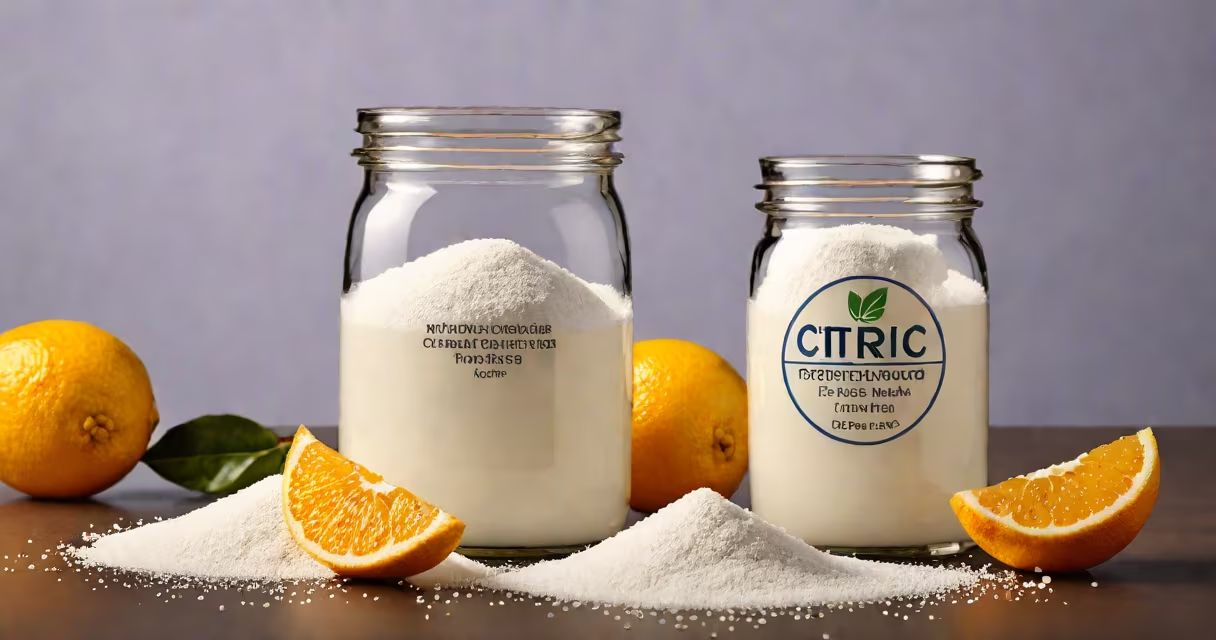
Citric acid is a weak organic acid naturally found in citrus fruits and widely used as a preservative, flavor enhancer, and pH regulator in food, cleaning products, and supplements. It stabilizes acidity, extends shelf life, and boosts tartness without overpowering other flavors.
Found in lemons, limes, and oranges, citric acid plays a key role in cellular respiration-the process by which cells generate energy. In food, it acts as a natural preservative by lowering pH, inhibiting bacterial growth, and preventing oxidation. In household cleaners, it dissolves mineral deposits and removes rust. Its dual function in biological systems and industrial applications makes it essential across multiple fields.
Citric acid's molecular structure includes three carboxylic acid groups, allowing it to donate protons (H⁺ ions) and lower pH. This property makes it effective at slowing microbial activity in foods. When added to beverages or canned goods, it creates an environment too acidic for most spoilage bacteria and molds to survive.
In the human body, citric acid is a central component of the Krebs cycle (also called the citric acid cycle). During this metabolic pathway, citric acid is formed from acetyl-CoA and oxaloacetate. As the cycle progresses, citric acid is broken down into carbon dioxide and water, releasing energy stored in ATP. The cycle runs continuously in mitochondria, producing about 30-36 molecules of ATP per glucose molecule.
A 2018 study published in Nutrients confirmed that dietary citric acid improves calcium absorption in the gut, especially when consumed with vitamin D. This effect enhances bone density and reduces fracture risk in older adults. Citric acid also binds to metal ions like iron and zinc, increasing their solubility and bioavailability during digestion.
Citric acid is produced commercially through fermentation using the mold Aspergillus niger. This method yields high-purity citric acid at scale, making it cost-effective for industrial use. Natural sources include lemon juice (about 5% citric acid by weight) and orange juice (around 0.5%).
| Source Type | Typical Citric Acid Content | Primary Use |
|---|---|---|
| Lemon juice (fresh) | 4.5-5.5% | Flavoring, natural preservative |
| Orange juice (fresh) | 0.4-0.6% | Flavor enhancement |
| Fermented citric acid (industrial) | 99.5% pure | Food additives, cleaning agents |
| Citric acid in soft drinks | 0.1-0.3% | Acidity control, flavor balance |
Food-grade citric acid is labeled as E330 in the EU and approved by the FDA as Generally Recognized as Safe (GRAS). It appears in over 70% of processed foods with a sour or tangy profile, including ketchup, yogurt, and sports drinks.
Citric acid is often mistaken for ascorbic acid (vitamin C), but they are chemically distinct. While both occur in citrus fruits, ascorbic acid is a vitamin that supports immune function and collagen synthesis. Citric acid contributes no vitamins and cannot substitute for vitamin C in nutrition.
Another misunderstanding is that citric acid causes kidney stones. Research from the Journal of Urology shows that citric acid actually reduces stone formation by binding calcium in urine and preventing crystal aggregation. Patients with recurrent calcium oxalate stones are often prescribed potassium citrate to increase urinary citrate levels.
Some consumers avoid citric acid due to perceived "chemical" labeling. However, the FDA defines citric acid as a "natural" ingredient when derived from fermentation, even though it is synthesized industrially. The term "natural" in food regulation refers to origin, not processing method.
In 2021, a major soda manufacturer reduced sugar content by 15% while maintaining consumer preference by replacing part of the sweetness with citric acid. The acid enhanced tartness, masking the reduction in sugar and improving perceived freshness. Sales remained stable, proving citric acid's role in reformulation without sacrificing taste.
Household cleaning products use citric acid to dissolve limescale. A 2020 test by Consumer Reports showed that a solution of 10% citric acid removed 98% of calcium deposits from showerheads within 30 minutes, outperforming commercial descalers containing phosphates.
I once used citric acid to stabilize homemade tomato sauce for long-term storage. By adding 0.5% citric acid by weight, the pH dropped from 4.8 to 3.9. After six months in sealed jars, the sauce remained safe and flavorful, with no signs of mold or fermentation-proof of citric acid's effectiveness as a preservative.
Citric acid serves multiple roles: preserving food, enhancing flavor, supporting metabolism, and cleaning surfaces. Its ability to regulate pH and chelate metals gives it broad utility across industries. Understanding its actual function separates myth from science.