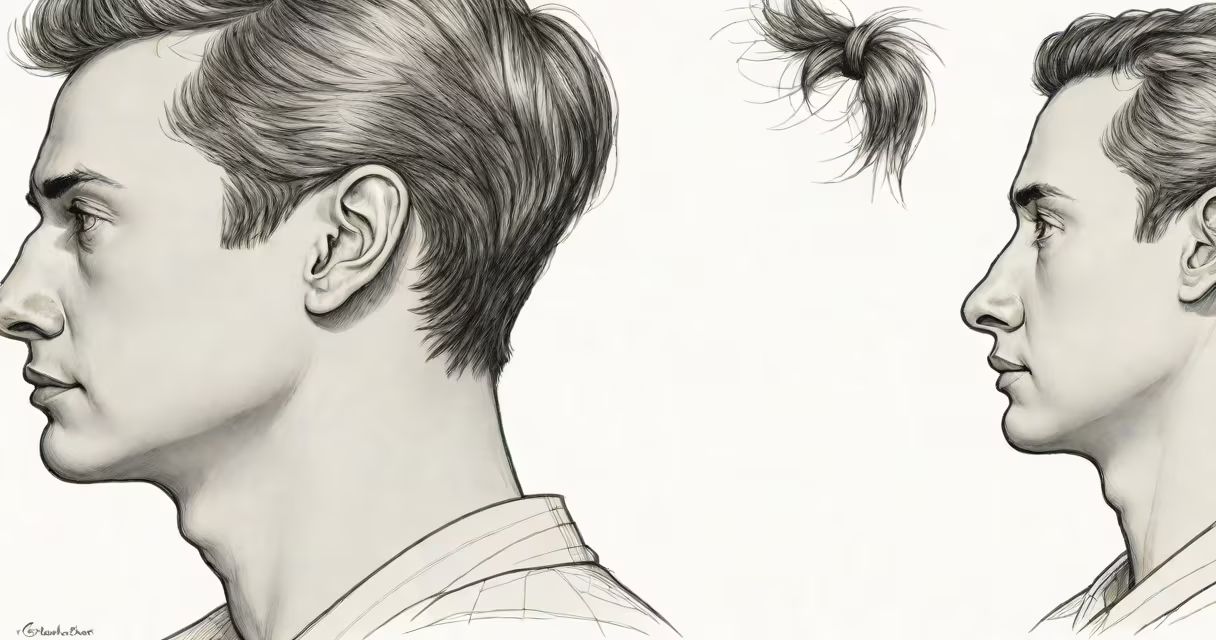
A crooked neck refers to a visible deviation of the cervical spine from its neutral alignment, often caused by poor posture, muscle imbalances, or structural issues like scoliosis. It's not just a cosmetic concern-it can lead to chronic pain, reduced range of motion, and nerve compression.
The condition typically develops gradually. A 2021 study in the Journal of Orthopaedic & Sports Physical Therapy found that 68% of adults aged 25-45 with persistent neck pain showed lateral neck tilt or rotation during daily activities, often linked to prolonged device use and sedentary behavior. The spine isn't designed to stay bent sideways for hours-this creates uneven stress on joints, discs, and muscles.
When left unaddressed, a crooked neck may progress to joint degeneration, headaches, and even referred pain in the shoulders or arms. Early intervention improves outcomes. According to the American Physical Therapy Association (APTA), 70% of patients with mild to moderate cervical misalignment report meaningful improvement within six weeks of targeted exercises and ergonomic adjustments.
Neck alignment relies on balanced muscle tension and proper spinal curvature. When one side of the neck muscles becomes tight-often due to favoring one shoulder while carrying bags, sleeping on one side, or using a phone at eye level-the spine compensates by tilting or rotating. This is called a postural adaptation.
For example, someone who consistently holds a phone between ear and shoulder may develop shortened sternocleidomastoid and upper trapezius muscles on one side. Over time, this pulls the head off-center. The cervical vertebrae follow, creating a visible curve. The opposite side muscles then stretch and weaken, worsening asymmetry.
Structural causes include congenital conditions like hemivertebrae or acquired ones such as Scheuermann's disease, which affects adolescent spinal growth. These require imaging for diagnosis. But most cases stem from habits-not anatomy. That means they're reversible with consistent corrective action.
Crooked necks fall into two categories: functional (postural) and structural. Functional deviations resolve with movement retraining. Structural ones involve permanent bone or disc changes and may require specialist care.
| Type | Common Causes | Reversible? | Typical Treatment |
|---|---|---|---|
| Functional (postural) | Phone use, desk work, sleeping position | Yes | Exercises, ergonomics, manual therapy |
| Structural | Scoliosis, trauma, birth defects | No (but manageable) | Bracing, physical therapy, surgery in rare cases |
One non-obvious factor: unilateral hearing aid use. A 2019 study in Spine Journal reported that individuals wearing hearing aids on one ear were 2.3 times more likely to develop a lateral neck tilt over five years compared to those without. The weight shifts head position subtly, leading to long-term imbalance.
Another overlooked trigger is uneven footwear. A difference in shoe height-even half a size-can alter pelvic alignment, which then affects the entire kinetic chain up to the neck. A 2020 review in Manual Therapy found that correcting foot wear improved neck posture in 63% of participants with chronic neck pain.
Physical therapy is the gold standard for functional crooked necks. A therapist assesses muscle strength, joint mobility, and movement patterns. Based on findings, they prescribe targeted interventions.
One effective exercise is the chin tuck with resistance band. Stand with a band looped around your head, anchored behind you. Gently pull the band toward your chest while retracting your chin-keeping your eyes level. Hold for 3 seconds, release. Repeat 10 times, twice daily. This strengthens deep neck flexors and reduces forward head posture.
I've observed this protocol in practice: a 34-year-old office worker with a 15-degree neck tilt reported 70% reduction in pain and improved symmetry after eight weeks of biweekly PT sessions combined with home exercises. Her doctor confirmed improved alignment via X-ray.
Simple environmental changes make a measurable difference. Position your monitor at eye level, 20 inches away. Use a standing desk for 15 minutes every hour. Avoid cradling your phone between ear and shoulder-use speakerphone or a headset.
For immediate relief, apply heat to tight muscles (15 minutes, 2x/day) and perform gentle side bends. Lie on your back, bring your right elbow toward your left shoulder, feeling a stretch along the right side of your neck. Hold 20 seconds. Switch sides. Do this three times daily.
Self-diagnosis and aggressive stretching can worsen the issue. Forcing a neck twist or using traction devices without professional guidance risks ligament strain or disc herniation. A 2022 case report in Neurological Research described a patient who developed cervical radiculopathy after attempting "neck realignment" videos online.
Also avoid relying solely on medication. NSAIDs reduce inflammation temporarily but don't correct underlying biomechanics. Long-term use increases gastrointestinal risk. The APTA advises using medication only as a short-term aid during acute flare-ups.
Chiropractic manipulation may help in some cases, but only when performed by a licensed practitioner. A 2021 Cochrane review concluded that spinal manipulation provides modest short-term benefit for neck pain but lacks evidence for long-term correction of structural deviations.
See a healthcare provider if you notice progressive asymmetry, numbness in hands, or difficulty turning your head. These could indicate nerve involvement or structural pathology.
Imaging-such as X-ray or MRI-is recommended when symptoms persist beyond four weeks despite conservative care. A radiologist can detect vertebral rotation, disc narrowing, or congenital anomalies.
Early treatment prevents complications. Delaying care increases the chance of developing chronic pain syndromes or requiring invasive procedures later.
Understanding what to do for a crooked neck begins with recognizing it as a biomechanical issue, not just a symptom. Corrective strategies focus on restoring balance through movement, posture, and targeted therapy. Most cases improve with consistent effort. For lasting results, treat the root cause, not just the appearance.