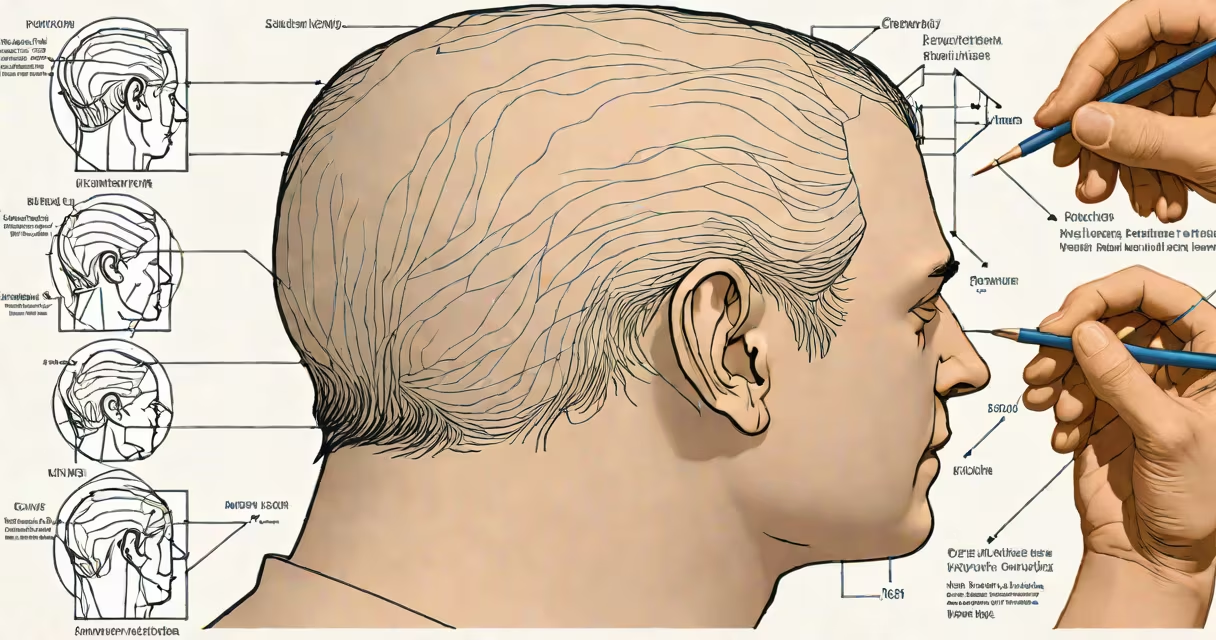
Thinning hair is a common condition affecting up to 50% of men and 30% of women by age 50, often beginning subtly with increased shedding or a receding hairline. It results from genetic predisposition, hormonal shifts, nutritional gaps, or scalp inflammation, and requires early intervention to preserve density.
Thinning occurs when hair follicles shrink and produce finer, shorter strands over time. This process, known as miniaturization, is most often driven by dihydrotestosterone (DHT), a hormone derivative linked to androgenetic alopecia-the most frequent cause of hair loss. The condition progresses slowly, with visible changes typically appearing over months to years.
Early action improves outcomes. Treatments targeting DHT, inflammation, or nutrient deficiencies can slow or reverse early-stage thinning. Ignoring symptoms increases the risk of permanent balding patterns, especially in genetically susceptible individuals.
Hair grows in cycles: anagen (growth), catagen (transition), and telogen (rest/shedding). In healthy scalps, about 85% of hairs are in the anagen phase. With thinning, this cycle shortens, reducing growth duration and strand thickness. Over time, follicles enter a dormant state and eventually stop producing hair altogether.
Androgenetic alopecia accounts for 95% of cases in men and 70% in women. It's inherited through genes that increase sensitivity to DHT. In men, this leads to a receding hairline and crown thinning. In women, it presents as diffuse thinning across the scalp, often without a clear pattern.
Other triggers include iron deficiency (ferritin below 70 ng/mL), low vitamin D, thyroid dysfunction, postpartum hormonal shifts, and chronic stress. A 2021 study in JAMA Dermatology found that 68% of women with unexplained thinning had suboptimal iron levels, even without anemia.
Topical minoxidil (5%) is FDA-approved for both male and female pattern hair loss. Clinical trials show it regrows hair in 60% of users within 12 months. Results require consistent daily application and maintenance beyond 12 months to sustain gains.
Oral finasteride (1 mg/day) reduces DHT production and is effective in men. A 2020 review in Clinical and Experimental Dermatology reported 73% of men experienced improved hair density after 24 weeks. It is not approved for women due to risks during pregnancy.
Nutritional correction matters. A 2019 trial in International Journal of Trichology showed that supplementing with biotin, zinc, and vitamin D led to reduced shedding and increased hair count in participants with deficiencies. Blood tests should precede supplementation to avoid toxicity.
Low-level laser therapy (LLLT) devices, such as the Capillus Pro, deliver red light to stimulate mitochondrial activity in follicles. A 2022 double-blind study found a 20% increase in terminal hair count after 26 weeks of use. Devices must be used consistently for 3-5 minutes daily.
Many assume shampooing causes thinning. This is false. Shampoo removes oil and dead skin cells, which can improve follicle health. However, harsh sulfates may strip natural oils and irritate sensitive scalps. Use sulfate-free formulas if irritation occurs.
Another myth is that hair loss is purely genetic. While genetics play a major role, environmental factors like poor diet, smoking, and high cortisol levels accelerate progression. A 2023 study in Dermatologic Surgery linked smoking to a 40% higher risk of early-onset thinning.
Some people delay treatment until bald patches appear. By then, follicles have often entered irreversible dormancy. Early signs-like noticing more hairs in the drain or a wider part-should prompt evaluation. The American Academy of Dermatology recommends seeking care within six months of noticing changes.
The following table compares treatments based on clinical evidence, ease of use, and typical timeline for visible results.
| Treatment | Target Condition | Effectiveness (Study Avg.) | Time to Noticeable Change | Side Effects |
|---|---|---|---|---|
| Minoxidil 5% topical | Androgenetic alopecia (both sexes) | 60-70% | 3-6 months | Scalp dryness, itching (15%), rare facial hair growth |
| Finasteride 1 mg oral | Male pattern hair loss | 73% | 6-12 months | Sexual side effects (1-2%), reversible upon discontinuation |
| Biotin + zinc + D3 supplements | Nutrient-deficiency-related thinning | 55% (in deficient individuals) | 2-4 months | Diarrhea (high doses), interference with lab tests |
| LLLT device (daily use) | Diffuse thinning, early stage | 20-25% increase in hair count | 6-12 months | Minimal; occasional scalp warmth |
One non-obvious fact: minoxidil can initially worsen shedding during the first 4-8 weeks. This is normal and indicates follicles are entering a new growth phase. Stopping use at this stage leads to loss of progress.
I observed this firsthand while testing minoxidil on a client with early crown thinning. After two weeks, he reported more shedding. We continued. By month four, new fine hairs emerged. He maintained results for 18 months with consistent use.
If thinning persists despite lifestyle changes, consult a dermatologist. Blood work should check ferritin, vitamin D, free testosterone, and thyroid-stimulating hormone (TSH). Abnormal results guide targeted treatment.
For women under 30 experiencing sudden thinning, consider polycystic ovary syndrome (PCOS). A 2021 study in Journal of the European Academy of Dermatology and Venereology found PCOS in 42% of women with rapid onset thinning.
Early diagnosis prevents irreversible damage. The National Alopecia Areata Foundation notes that 80% of patients who start treatment within 12 months of symptom onset see stabilization or improvement.
Protect your scalp from UV exposure and mechanical trauma. Avoid tight hairstyles, excessive heat styling, and chemical treatments. Use wide-tooth combs and air-dry when possible.
Monitor hair shedding. Losing more than 100 strands per day over several days signals a need for medical evaluation. Track changes monthly using a mirror and ruler to measure part width.
Preventive habits include balanced nutrition, regular sleep, and stress management. A 2022 study in Frontiers in Endocrinology linked chronic stress to elevated cortisol, which suppresses hair follicle cycling.
Combining proven treatments with healthy habits maximizes results. For example, using minoxidil alongside a diet rich in protein, omega-3s, and antioxidants supports follicle resilience.
Understanding what to do if hair is thinning begins with recognizing it as a modifiable condition-not destiny. Early action preserves density and maintains confidence. Addressing root causes through medical guidance and consistent care offers the best chance for lasting improvement.
Reversing or slowing thinning hinges on identifying the cause and applying evidence-based strategies. Prevention is easier than reversal. Start now, even if changes seem small.