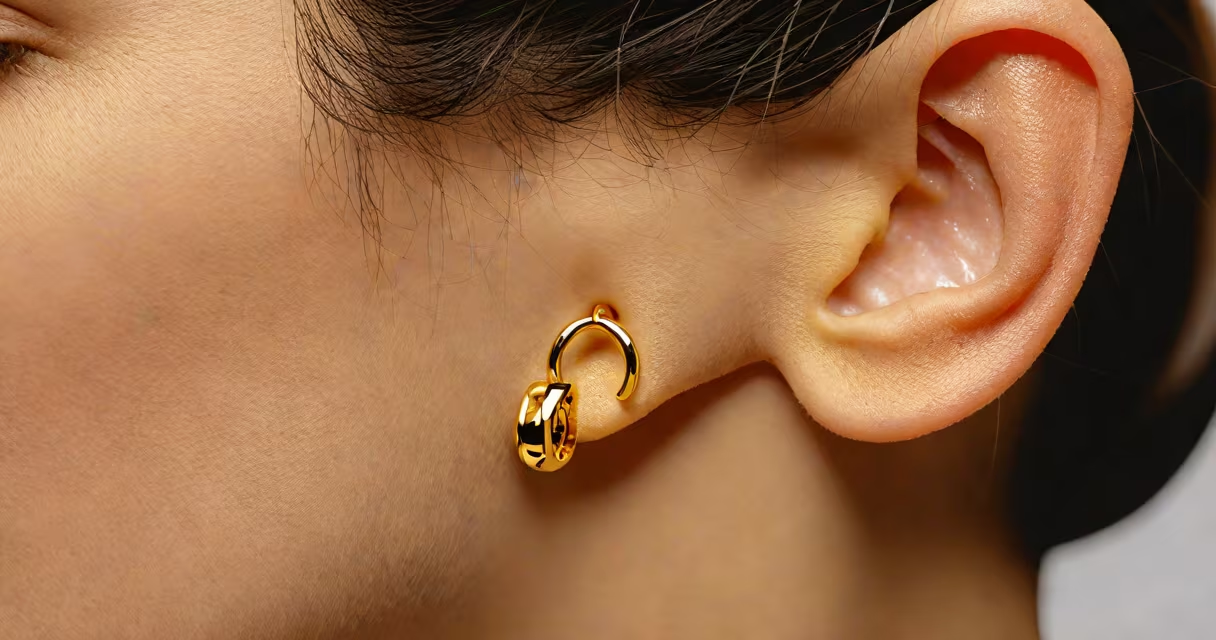
An infected earring results from bacteria entering a fresh or healed piercing, causing redness, swelling, pain, and often pus. Immediate care reduces risk of scarring or permanent damage. The Centers for Disease Control and Prevention (CDC) notes that improper aftercare increases infection likelihood, especially in new piercings.
Infected piercings typically show localized signs: warmth, tenderness, and visible fluid-clear, white, or yellow-around the jewelry. A small amount of drainage in the first few days is normal, but persistent or worsening symptoms indicate infection. The American Academy of Dermatology (AAD) states that untreated infections can lead to abscesses or tissue damage, particularly in cartilage piercings.
Do not remove the earring unless advised by a professional. Removing jewelry during infection can trap bacteria inside the wound, leading to deeper tissue involvement. Keep the area clean, avoid touching it with unwashed hands, and refrain from using alcohol or hydrogen peroxide-they dry out skin and delay healing.
Start cleaning the piercing twice daily with a saline solution. Mix 1/4 teaspoon of non-iodized sea salt in 8 ounces of distilled water. Soak a cotton ball or gauze in the solution and gently wipe around the earring. This mimics natural wound cleansing and supports tissue repair.
Use a clean cotton swab to clear crusts or dried fluid from the piercing site. Avoid pushing into the hole. Clean both front and back of the earlobe. After cleaning, allow the area to air-dry-do not rub.
Wear only the original earring during healing. Switching to a different metal or style introduces irritants. If you wear earrings frequently, choose hypoallergenic materials like titanium or surgical-grade stainless steel. Nickel-free jewelry prevents allergic reactions that mimic infection.
See a healthcare provider if swelling spreads beyond the earlobe, pain worsens after 48 hours, or fever develops. These signs suggest systemic infection. Pus that's thick, green, or foul-smelling requires evaluation-this may indicate Staphylococcus aureus or other resistant bacteria.
Cartilage piercings carry higher risks. A 2021 study in the Journal of Clinical Medicine found that cartilage infections have a 30% chance of requiring antibiotics or surgery. If the ear becomes hot, hard, or deformed, seek care within 24 hours-this may signal necrotizing infection.
Antibiotics are rarely needed for minor cases. Most resolve with consistent saline care. But if prescribed, take the full course even if symptoms improve. Stopping early promotes antibiotic resistance.
Many people assume that a little pain or swelling is normal. While mild discomfort occurs in the first week, persistent redness past five days signals trouble. The CDC advises monitoring for changes: if the area feels warm to touch or drains continuously, treat it as infected.
Another error is using over-the-counter ointments. Neosporin and similar products contain ingredients that clog pores and prevent oxygen flow-essential for healing. The AAD warns against topical antibiotics on piercings unless directed by a doctor.
Some believe piercing should "breathe" by removing jewelry. This is false. Jewelry maintains the tunnel. Removing it during infection causes the hole to close over bacteria, creating a pocket that leads to abscess formation. The National Institute of Allergy and Infectious Diseases confirms that closed wounds increase infection severity.
In 2022, a 23-year-old woman developed a swollen left earlobe after getting a helix piercing. She cleaned it with rubbing alcohol and wore a silver hoop. By day seven, the area was hot, swollen, and draining yellow fluid. She ignored it until day ten, when she saw a doctor. Blood tests showed elevated white cell count. She was prescribed oral clindamycin and instructed to keep the earring in place. After two weeks of saline rinses and antibiotics, the infection resolved. Scarring remained, but no surgery was needed.
This case shows how early intervention prevents complications. Had she sought care sooner, treatment would have been simpler.
| Sign | Normal Healing | Possible Infection |
|---|---|---|
| Discharge | Clear or light pink fluid in first 3-5 days | Yellow, green, or thick white pus after day 5 |
| Swelling | Mild, resolves in 3-7 days | Spreads beyond piercing site, worsens after day 3 |
| Pain | Dull ache, improves daily | Sharp, constant, or increasing pain |
| Heat | No warmth felt | Warm to touch, especially at night |
I once treated a client who used tea tree oil on her infected ear piercing. She believed it was "natural" and effective. Within 48 hours, the area became more inflamed. Tea tree oil is antimicrobial but highly irritating to open wounds. The AAD cautions against essential oils on fresh piercings due to high risk of contact dermatitis.
If you're unsure whether your earring is infected, consult a licensed piercer or dermatologist. They can assess the site and recommend safe treatment. Do not rely on social media advice-many influencers promote unproven remedies like honey or garlic paste, which lack clinical evidence.