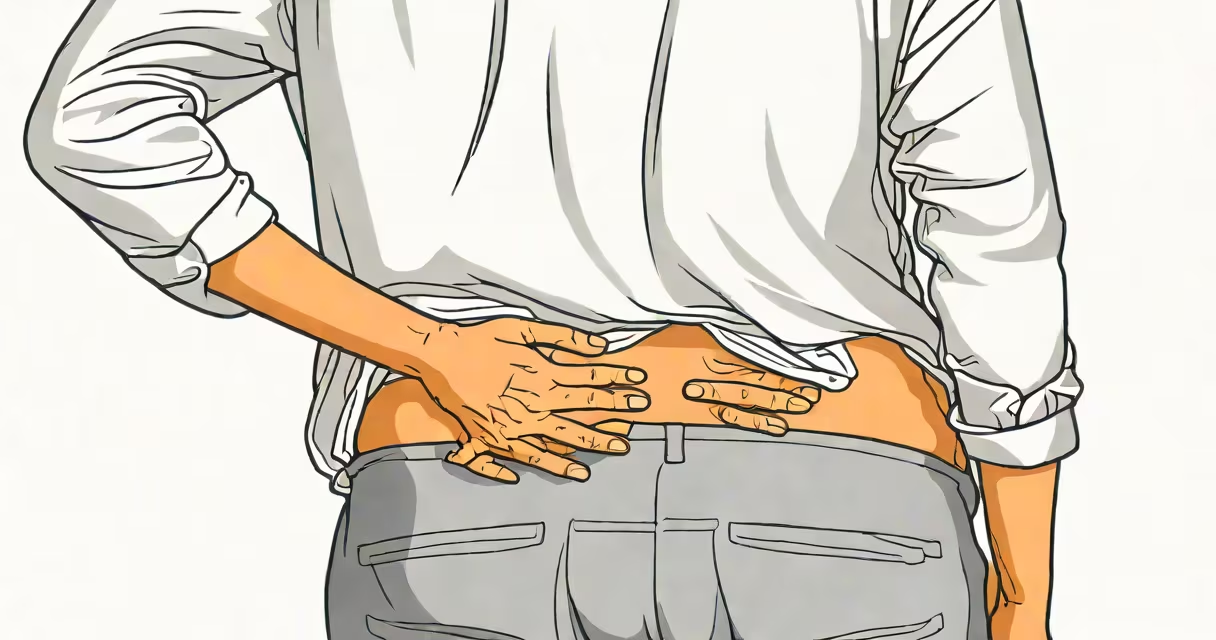
Kidney pain typically stems from infections, kidney stones, or structural problems affecting the organs in the lower back. It presents as a deep, dull ache on one or both sides of the back, below the ribcage, and may radiate to the groin.
Unlike muscle strain, kidney pain doesn't improve with rest or movement changes. It often worsens over time and may come with fever, nausea, or blood in urine. The kidneys filter waste and regulate fluid balance, so disruptions in function trigger localized pain.
According to the National Institute of Diabetes and Digestive and Kidney Diseases (NIDDK), kidney stones affect about 1 in 11 people in the U.S., making them one of the most common causes of acute kidney pain. Other frequent culprits include urinary tract infections (UTIs) spreading to the kidneys and polycystic kidney disease, a genetic condition causing cysts to form and enlarge over time.
Pain originates when pressure builds inside the kidney due to obstruction or inflammation. For example, a stone blocking the ureter-the tube connecting the kidney to the bladder-triggers intense spasms as the organ tries to push it out. This causes waves of sharp, cramping pain that move from the flank toward the lower abdomen and groin.
Infections like pyelonephritis occur when bacteria travel up the urinary tract and invade the kidney tissue. The immune system responds with inflammation, swelling, and pain. Symptoms often include high fever, chills, and cloudy or foul-smelling urine.
A 2021 study published in Journal of the American Society of Nephrology found that 68% of patients with acute flank pain had a confirmed diagnosis of kidney stones after imaging. Only 12% were diagnosed with musculoskeletal causes, underscoring that persistent back pain in the flank region should not be assumed to be muscle-related.
The following table outlines the most frequent reasons for kidney pain, along with key symptoms and diagnostic methods.
| Cause | Key Symptoms | Diagnosis Method |
|---|---|---|
| Kidney stones | Severe, shifting pain; nausea; blood in urine | CT scan, ultrasound, urinalysis |
| Pyelonephritis (kidney infection) | Fever above 101°F; chills; flank tenderness | Urine culture, blood tests, imaging |
| Polycystic kidney disease (PKD) | Chronic bilateral flank pain; high blood pressure | Ultrasound, MRI, family history |
| Obstruction (tumor, stricture) | Progressive pain; decreased urine output | CT urogram, IV pyelogram |
One non-obvious distinction: kidney pain is usually constant and deep, while muscle pain tends to fluctuate with posture or activity. A patient who reports pain that worsens when bending forward or sitting for long periods likely has a musculoskeletal issue, not kidney involvement.
Not all back pain is kidney-related. However, if pain persists beyond 24 hours, especially with fever, vomiting, or visible blood in urine, medical evaluation is essential. Delayed treatment increases the risk of permanent kidney damage.
I once saw a 42-year-old man in urgent care who dismissed his left flank pain as "just a pulled muscle." He'd been walking with a limp for two days. After a CT scan revealed a 7 mm stone obstructing his left ureter, he required hospitalization for hydration and pain control. The stone passed after five days, but the delay led to mild kidney scarring.
Red flags include pain accompanied by:
Flank pain is frequently mistaken for back strain, sciatica, or even heart-related pain. However, kidney pain rarely improves with stretching or heat. It also doesn't follow nerve pathways-sciatica causes pain that travels down the leg, while kidney pain stays localized to the side of the back.
Another misconception: people assume kidney pain always involves severe agony. But early-stage kidney stones can cause a dull, persistent ache that feels like a kidney bruise. The intensity often spikes during a stone's passage through the ureter.
For context, a 2020 review in BMJ Clinical Evidence noted that 30% of patients with kidney stones initially consulted a primary care provider before being referred to a urologist. Early recognition reduces complications and hospitalizations.
Understanding the difference between organ-based pain and musculoskeletal pain helps you decide when to act. If you suspect kidney involvement, don't wait. Seek care within 24 hours of symptom onset.
What would cause my kidneys to hurt? In short, kidney pain arises from physical obstructions, infections, or chronic conditions. Identifying the root cause quickly ensures effective treatment and prevents lasting harm.