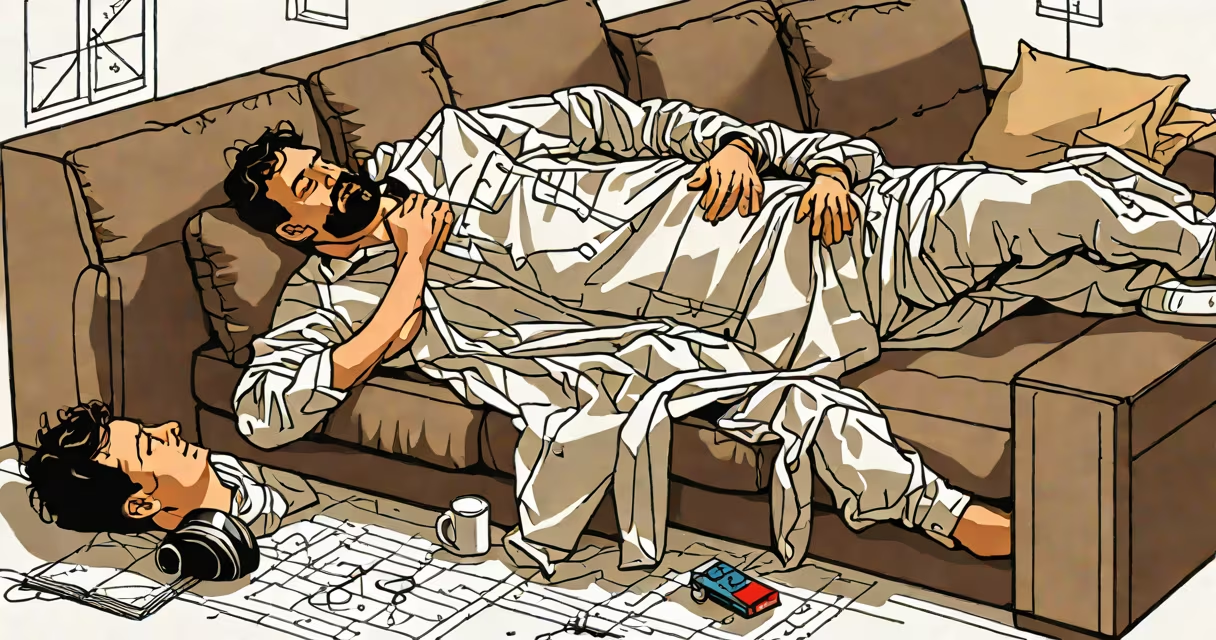
Feeling constantly fatigued and experiencing persistent muscle soreness can result from inadequate sleep, nutritional deficiencies, chronic stress, or undiagnosed medical conditions. These symptoms often overlap and signal that your body's recovery systems are under strain.
When fatigue and soreness persist beyond a few days, they're not just signs of being busy-they indicate physiological imbalance. The body requires rest, proper fuel, and hormonal balance to recover from daily activity. Without these, muscles remain inflamed, energy levels drop, and mental clarity fades.
According to the National Sleep Foundation, adults need 7-9 hours of uninterrupted sleep per night. Less than six hours regularly increases cortisol levels and disrupts melatonin production, contributing to both fatigue and delayed muscle repair. A 2022 study in Frontiers in Endocrinology linked prolonged low-grade inflammation to sustained muscle soreness and reduced physical performance.
Tiredness and soreness arise from disrupted cellular energy production and impaired tissue repair. During exercise or mental exertion, cells burn glucose and oxygen to produce ATP-the primary energy currency of the body. When supply doesn't meet demand, fatigue sets in. Recovery happens during rest, especially deep sleep, when growth hormone and testosterone peak.
Soreness results from microtears in muscle fibers during exertion. Normally, inflammation triggers immune cell influx and tissue remodeling. But if recovery time is insufficient or nutrition is lacking, inflammation lingers. This leads to prolonged soreness and reduced strength.
A 2021 clinical review in Journal of Clinical Medicine found that individuals reporting daily fatigue had lower serum levels of vitamin D, iron, and B12 compared to control groups. Deficiencies in these nutrients impair red blood cell formation and mitochondrial function, reducing oxygen delivery and ATP synthesis.
Several interconnected factors explain why someone might feel tired and sore every day:
One non-obvious factor is sleep apnea. It affects 1 in 15 adults, according to the American Academy of Sleep Medicine. People with obstructive sleep apnea experience repeated breathing interruptions during sleep, lowering oxygen saturation and disrupting deep sleep cycles. This leads to daytime fatigue and morning muscle stiffness-even if they sleep 8 hours.
Distinguishing between acute and chronic patterns helps narrow down causes. Acute soreness appears within 24-72 hours after new activity and resolves in 3-5 days. Chronic soreness lasts longer than a week without clear cause and worsens with repetition.
| Type | Duration | Typical Cause | Recovery Time |
|---|---|---|---|
| Delayed Onset Muscle Soreness (DOMS) | 24-72 hrs post-exercise | New or intense physical activity | 3-5 days |
| Chronic Soreness | Weeks to months | Overtraining, poor recovery, nutrient deficiency | Variable; often requires lifestyle changes |
| Generalized Fatigue | Days to weeks | Stress, poor diet, sleep disruption | Improves with consistent rest and nutrition |
| Neurological Fatigue | Constant, unrelenting | Depression, thyroid dysfunction, chronic infection | Requires medical evaluation |
For example, a 34-year-old office worker reported waking up tired despite sleeping eight hours. She felt sore in her shoulders and legs daily. Blood tests revealed iron deficiency anemia and suboptimal vitamin D levels. After supplementing and adjusting her sleep schedule, she regained energy within four weeks.
Many assume "tired and sore" means simply needing more rest. While sleep matters, it's not the only factor. Some people sleep 8 hours nightly yet still feel drained. That points to internal imbalances-not lack of sleep.
Adrenal fatigue-a term popularized online-is not recognized by mainstream medicine. The Endocrine Society states there's no scientific evidence for adrenal exhaustion as a diagnosis. However, chronic stress can dysregulate the hypothalamic-pituitary-adrenal (HPA) axis, leading to cortisol imbalances that mimic fatigue symptoms.
Another common confusion: mistaking muscle soreness for injury. DOMS is normal after unfamiliar movement. But sharp pain, swelling, or inability to move a joint signals injury, not soreness. Ignoring this difference risks worsening damage.
I once trained a client who reported constant fatigue and leg soreness. He exercised five days a week, slept seven hours, and ate balanced meals. His resting heart rate was elevated, and his perceived exertion during light walks was high. Blood work showed low ferritin (iron stores) and borderline low vitamin B12.
After three weeks of iron supplementation and adjusted training volume, his energy improved dramatically. He no longer needed naps and could complete workouts without lingering soreness. This case illustrates that fatigue and soreness aren't always about effort-they're about internal capacity.
If you're consistently tired and sore, start with measurable actions:
Understanding why you're always tired and sore begins with separating normal recovery from pathological fatigue. Your body sends signals-listen to them. Ignoring persistent fatigue and soreness risks long-term decline in physical and mental health.
Addressing why am I always tired and sore requires more than willpower. It demands accurate data, patience, and targeted interventions. Start with sleep, nutrition, and simple blood tests. If unresolved, seek professional guidance to rule out treatable conditions.