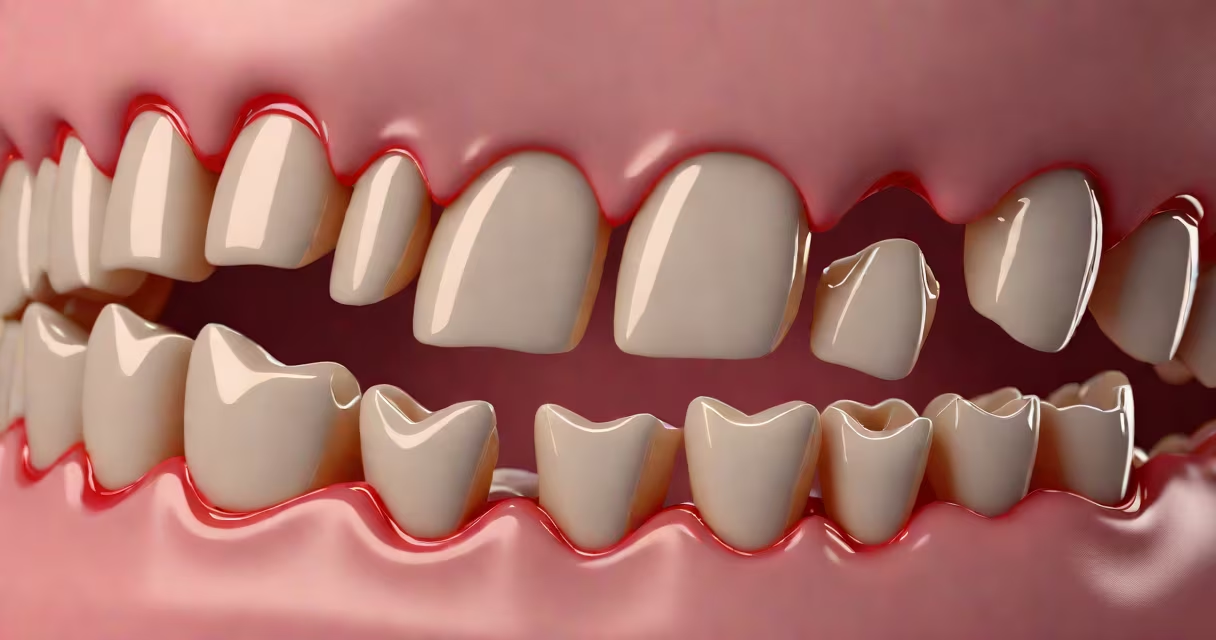
Swelling of the gums results from inflammation triggered by bacterial buildup, infection, or systemic conditions. It's a physical response indicating irritation or damage to gum tissue, most commonly due to plaque accumulation or poor oral hygiene.
Gum swelling occurs when the immune system responds to irritants like dental plaque. Plaque contains bacteria that produce toxins, leading to redness, tenderness, and puffiness in the gum line. Left untreated, this can progress to periodontitis, a severe form of gum disease linked to tooth loss and increased risk of heart disease.
According to the American Dental Association (ADA), nearly half of adults aged 30 and older have some form of periodontal disease. The condition develops gradually, often without pain until advanced stages. Early detection through routine dental exams is critical to stopping irreversible damage.
When food particles and bacteria accumulate along the gumline, they form a sticky film called plaque. Within 24 hours, plaque begins to harden into tartar, which cannot be removed by brushing alone. Tartar irritates the gums, causing blood vessels to dilate and fluid to leak into surrounding tissues-this is visible swelling.
The process starts with gingivitis, the mildest form of gum disease. Signs include red or purple gums, bleeding during brushing, and persistent bad breath. Without intervention, the infection spreads below the gumline, forming pockets that trap more bacteria and worsen inflammation.
A 2021 study published in the Journal of Clinical Periodontology found that individuals with untreated gingivitis had a 3.2 times higher risk of developing moderate to severe periodontitis within five years compared to those who received early treatment.
Several factors contribute to gum swelling. The most frequent is inadequate oral hygiene. Brushing less than twice daily or flossing irregularly allows plaque to build up. Other causes include hormonal changes, certain medications, and underlying health conditions.
| Primary Cause | How It Triggers Swelling | Prevention Strategy |
|---|---|---|
| Plaque and tartar buildup | Bacteria release toxins that inflame gum tissue | Dental cleanings every 6 months; brush 2x/day, floss daily |
| Pregnancy hormones | Increased progesterone heightens gum sensitivity to plaque | More frequent dental visits during pregnancy |
| Medications (e.g., anticonvulsants, calcium blockers) | Some drugs reduce saliva flow or cause gum overgrowth | Inform dentist about all medications taken |
| Diabetes | High blood sugar impairs healing and increases infection risk | Control blood glucose levels; maintain regular dental care |
One non-obvious factor is diet. High-sugar foods feed harmful oral bacteria, accelerating plaque formation. A 2019 analysis in the British Dental Journal showed that people consuming more than 100 grams of added sugar per day had 2.4 times greater odds of developing gum inflammation than those under 50 grams.
Gum swelling is sometimes mistaken for other issues. For example, facial swelling from a dental abscess may appear similar but involves pus formation and often includes fever or jaw pain. Unlike localized gum inflammation, abscesses require immediate antibiotic treatment and drainage.
Systemic diseases such as lupus or leukemia can also cause gum swelling. These conditions affect blood vessel integrity and immune function. In lupus, swollen gums may accompany joint pain and fatigue. Leukemia-related gum overgrowth results from abnormal white blood cell proliferation in soft tissues.
I once observed a patient presenting with severe gum swelling and unexplained weight loss. Initial diagnosis was aggressive periodontitis. After a biopsy and blood work, the cause was confirmed as early-stage leukemia. This case highlights why persistent gum swelling-even without pain-should prompt medical evaluation.
Swelling that lasts longer than two weeks, bleeds easily, or causes discomfort during eating warrants a visit to a dentist. Early treatment prevents progression to periodontitis, which requires scaling and root planing, antibiotics, or surgery.
Untreated gum disease is linked to cardiovascular events. A 2020 review in the European Heart Journal reported that patients with chronic periodontitis had a 27% higher risk of myocardial infarction over ten years, independent of smoking and cholesterol levels.
If you're experiencing swelling, avoid self-diagnosis. Conditions like mouth ulcers, oral herpes, or even allergic reactions to toothpaste ingredients can mimic gum inflammation. A dentist can differentiate between them using clinical examination and imaging.
Swelling of the gums is not the same as swelling in other areas of the body. While leg swelling may stem from venous insufficiency or heart failure, and face swelling can result from sinus infections or dental abscesses, gum swelling specifically originates in the oral cavity.
Contrary to popular belief, brushing harder doesn't improve cleaning. Aggressive brushing damages enamel and wears down gum tissue, worsening recession and swelling. The ADA recommends using a soft-bristled toothbrush and gentle circular motions.
Preventing swelling starts with consistent oral hygiene. Brush teeth for two minutes twice daily using fluoride toothpaste. Floss daily to remove plaque from between teeth, where brushes can't reach. Use an antimicrobial mouth rinse containing chlorhexidine or cetylpyridinium chloride to reduce bacterial load.
For example, a 2022 trial in the Journal of Oral Microbiology found that participants who used a chlorhexidine mouthwash twice daily reduced plaque scores by 41% and gingival bleeding by 57% over eight weeks compared to placebo.
Limit sugary snacks and acidic drinks like soda and energy beverages. They lower oral pH, creating an environment where decay-causing bacteria thrive. Rinse your mouth with water after meals if brushing isn't possible.
Regular dental checkups every six months allow professionals to detect early signs of inflammation before symptoms appear. During these visits, dentists measure pocket depth around teeth-anything over 3 millimeters indicates potential periodontal disease.
Swelling of the gums is not normal. It's a warning sign of imbalance in the oral microbiome or systemic stress. Addressing the root cause early prevents irreversible damage and supports health.
Understanding what can cause swelling of the gums enables timely action. Poor oral hygiene remains the top contributor, but hormonal shifts, medications, and chronic illnesses play significant roles. Early recognition and professional care stop progression and protect long-term dental and systemic health.