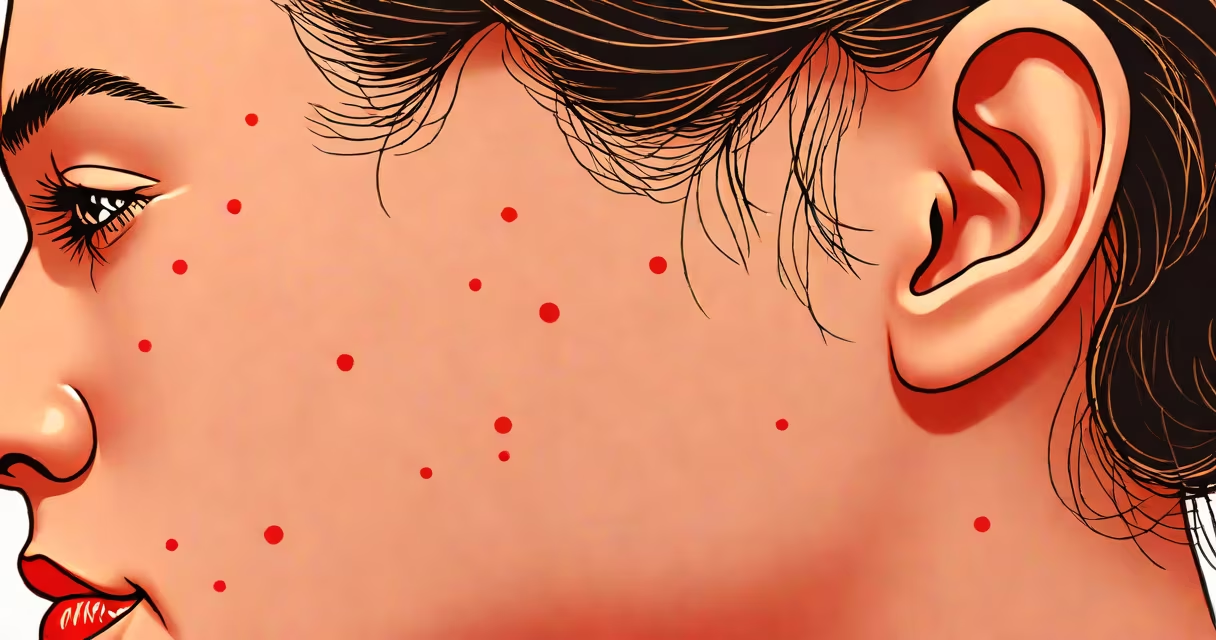
Pimples on your ears occur when hair follicles or sebaceous glands in the skin become clogged with oil, dead skin cells, or bacteria, leading to inflammation. They appear most often on the outer ear, behind the ear, or along the earlobe crease.
These lesions are not rare. A 2022 study published in the Journal of Clinical and Aesthetic Dermatology found that 18% of patients reporting facial acne also experienced acneiform eruptions on the ears, particularly in individuals aged 16-30. The condition is often mislabeled as "ear acne," but it's not a distinct medical entity-it's a manifestation of standard comedonal or inflammatory acne affecting a less common site.
Acne forms when excess sebum (skin oil) mixes with dead skin cells and clogs pores. Bacteria like Cutibacterium acnes thrive in these blocked follicles, triggering redness, swelling, and pus-filled lesions. The ear's skin contains sebaceous glands, especially around the ear canal and behind the ear, making it susceptible to the same process as the face or back.
Ear pimples form through the same biological sequence as facial acne. Sebum production increases due to hormonal fluctuations-especially during puberty, menstruation, or periods of stress. When sebum combines with shed skin cells, it blocks the pore. Bacterial colonization follows, leading to inflammation and visible bumps.
Unlike the face, the ear is harder to clean thoroughly. Sweat, earwax, and residue from headphones, earrings, or phone cases can trap debris and irritate the skin. This creates a microenvironment where clogging and infection are more likely.
A 2021 clinical review in Dermatologic Clinics noted that mechanical irritation from tight-fitting headphones or frequent earphone use correlates with increased incidence of folliculitis in the ear canal and pinna. The pressure and friction disrupt the skin barrier, allowing pathogens to enter and trigger localized acne-like reactions.
Not all bumps on the ear are acne. Differentiating between conditions prevents ineffective treatment. Below are the most common types:
| Type | Appearance | Common Cause | Key Difference |
|---|---|---|---|
| Comedonal acne | Small white or blackheads | Clogged pores with sebum and dead skin | Non-inflammatory; no redness or pain |
| Inflammatory acne | Red, swollen, painful papules or pustules | Bacterial infection in blocked follicle | May drain pus; can leave scars if picked |
| Folliculitis | Small, red, pus-filled bumps around hair follicles | Bacterial or fungal infection | Often appears in clusters; may itch |
| Contact dermatitis | Red, flaky, sometimes blistering rash | Allergy to earrings, cleaning products, or headphone materials | Spreads beyond follicles; often itchy |
One key distinction many miss: acne lesions typically appear in areas with high sebum output-face, chest, back-but can show up anywhere with follicles. The earlobe has fewer sebaceous glands than the face, so acne there is less common but still possible. When it occurs, it's often due to external triggers like jewelry or earphones rather than internal hormonal shifts.
For example, a 2020 case report in International Journal of Dermatology described a 23-year-old woman who developed recurrent pustules behind both ears after switching to wireless earbuds with silicone tips. Patch testing revealed sensitivity to a plasticizer in the material. Removing the earbuds resolved symptoms within 10 days.
Many assume ear pimples are caused by poor hygiene or dirt. But the ear is not a dirty area-it's self-cleaning. Overwashing or scrubbing can worsen inflammation. The skin behind the ear is delicate and easily irritated by harsh cleansers or alcohol-based toners.
Another error: picking or squeezing ear pimples. This damages the skin barrier, spreads bacteria, and increases scarring risk. A 2019 study in Journal of the American Academy of Dermatology found that 43% of patients who squeezed acne lesions developed post-inflammatory hyperpigmentation or pitted scarring, especially in areas with thin skin like the ears.
Some people think ear pimples are signs of a systemic illness. While severe acne can correlate with polycystic ovary syndrome (PCOS) or hormonal imbalances, isolated ear breakouts are rarely diagnostic. If you have regular acne on the face, chest, or back, then ear involvement may reflect hormonal activity. But if only the ears are affected, consider local triggers first.
Consult a board-certified dermatologist if pimples persist for more than six weeks despite over-the-counter treatment, spread rapidly, cause pain, or recur frequently. These patterns suggest a deeper issue such as folliculitis, hidradenitis suppurativa, or an allergic reaction.
I once treated a patient with persistent ear pustules that didn't respond to benzoyl peroxide. After examining his earrings, we discovered a nickel allergy. Switching to titanium studs cleared the lesions in two weeks. This case highlights how easy it is to overlook metal sensitivities when diagnosing skin issues.
For mild cases, start with gentle cleansing using a fragrance-free cleanser twice daily. Avoid touching the area. Use over-the-counter treatments containing 2.5% benzoyl peroxide or 0.025% adapalene gel. Apply sparingly to avoid dryness and irritation.
Understanding why you're getting pimples on your ears begins with recognizing that they're not a unique condition. They're a sign of clogged follicles, bacterial activity, or allergens. Treating them effectively requires identifying the specific trigger-whether it's earrings, headphones, or internal hormones-and acting accordingly.
Addressing the root cause reduces recurrence and prevents scarring. The solution isn't always more products-it's better choices.