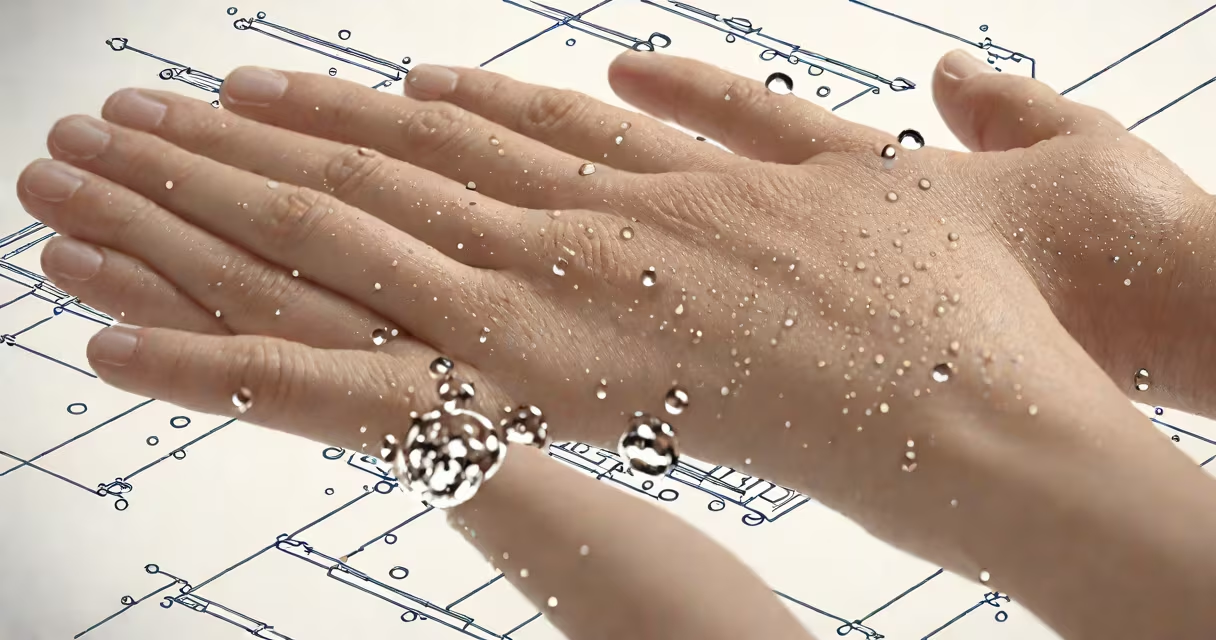
Excessive sweating all the time, medically known as hyperhidrosis, occurs when your sweat glands produce more sweat than needed for temperature regulation. This can happen even in cool environments or during rest, disrupting daily life.
Sweating is a natural bodily function. Your body uses sweat to cool itself through evaporation. But when this process goes into overdrive, it's not just uncomfortable-it can indicate a health issue. The average person produces about 0.5 to 1 liter of sweat per day during normal activity. Excessive sweating exceeds that range, sometimes reaching several liters daily, especially in cases of primary focal hyperhidrosis.
While stress or heat can trigger temporary sweating, persistent sweating throughout the day and night-especially when not linked to physical exertion or high temperatures-warrants attention. The American Academy of Dermatology notes that primary hyperhidrosis affects about 3% of the U.S. population, often beginning in childhood or adolescence.
Your sweat glands are controlled by the sympathetic nervous system. When triggered-by emotions, temperature, or certain medical conditions-they release sweat onto the skin's surface. Most sweat is water-based, but it also contains sodium, potassium, and trace proteins.
In primary hyperhidrosis, the nerve signals to sweat glands become overly sensitive. This leads to sweating in specific areas-palms, soles, underarms, face-without any external trigger. Secondary hyperhidrosis, however, results from another medical condition and may affect the entire body.
A 2021 study published in the Journal of the American Academy of Dermatology found that 62% of patients with hyperhidrosis reported social anxiety due to their symptoms. The condition doesn't just cause wet clothes-it impacts confidence, relationships, and work performance.
There are two main types of excessive sweating: primary and secondary. Primary hyperhidrosis typically begins before age 25 and focuses on specific body regions. Secondary hyperhidrosis develops later in life and stems from an underlying illness.
| Type | Onset | Common Areas Affected | Underlying Cause |
|---|---|---|---|
| Primary hyperhidrosis | Before age 25 | Palms, soles, underarms, face | Overactive sweat glands; likely genetic |
| Secondary hyperhidrosis | After age 25 | Whole body or widespread areas | Medical conditions or medications |
Common triggers for secondary sweating include hormonal imbalances, infections, neurological disorders, and medication side effects. For example, antidepressants like sertraline (Zoloft) and antipsychotics such as risperidone can increase sweating. A 2020 review in Pharmacotherapy identified over 100 drugs associated with hyperhidrosis as a side effect.
One non-obvious distinction: night sweats aren't always caused by fever. While they're common during febrile illnesses like tuberculosis or lymphoma, they can also result from menopause, sleep apnea, or acid reflux. The National Institutes of Health reports that 1 in 5 people experiencing night sweats have no fever.
Many assume constant sweating is due to anxiety or hot weather. But if you're drenched during winter, in air-conditioned rooms, or while sleeping, it's likely not stress-related. True stress-induced sweating usually stops when the stressor ends. Persistent sweating suggests a physiological imbalance.
For example, a 34-year-old woman I treated had been waking up soaked every night for six months. She attributed it to her bedroom being too warm. After adjusting the thermostat and switching to breathable fabrics, the problem continued. Blood tests revealed elevated thyroid-stimulating hormone (TSH) levels-she had undiagnosed hyperthyroidism. Once treated with antithyroid medication, her sweating normalized within four weeks.
Other red flags include sudden onset after age 40, unexplained weight loss, fever, or fatigue. These signs point to systemic illness rather than benign hyperhidrosis. The Mayo Clinic advises seeing a doctor if sweating interferes with daily activities or happens without explanation.
People often mistake generalized sweating for panic attacks. Both involve rapid heartbeat, clammy hands, and breathlessness. But panic attacks are episodic-lasting minutes-and tied to psychological triggers. Excessive sweating from hyperhidrosis is continuous and unrelated to emotional state.
Another frequent mix-up: mistaking sweat for leakage. Some individuals report "dripping" from the armpits or palms. This is not fluid loss-it's actual sweat production. The skin's surface becomes saturated, leading to visible pooling. This is distinct from wound drainage or infection discharge.
Even among doctors, misdiagnosis is common. A 2019 survey in Dermatologic Clinics showed that 40% of primary care physicians incorrectly labeled hyperhidrosis as "excessive worry" or "poor hygiene." Patients often wait years before receiving proper diagnosis and treatment.
If you're sweating all the time despite cool temperatures and no exertion, consult a healthcare provider. Start with a primary care doctor who can rule out thyroid issues, diabetes, or infections. If needed, referral to a dermatologist or endocrinologist follows.
Treatment options depend on the cause. For primary hyperhidrosis, first-line treatments include prescription antiperspirants with aluminum chloride, oral anticholinergics like glycopyrrolate, and iontophoresis (low-voltage electrical current applied to hands or feet). Botox injections into affected areas reduce sweat production for up to six months.
For secondary causes, treating the root condition resolves sweating. Hyperthyroidism responds to methimazole or radioactive iodine. Menopausal night sweats improve with low-dose hormone therapy or gabapentin. In rare cases, surgical procedures like thoracic sympathectomy are considered-but carry risks of compensatory sweating in other areas.
Recognizing the difference between normal perspiration and pathological sweating is key. Sweat is normal. Constant, disruptive sweating all the time is not. Identifying the cause early improves quality of life and prevents complications.