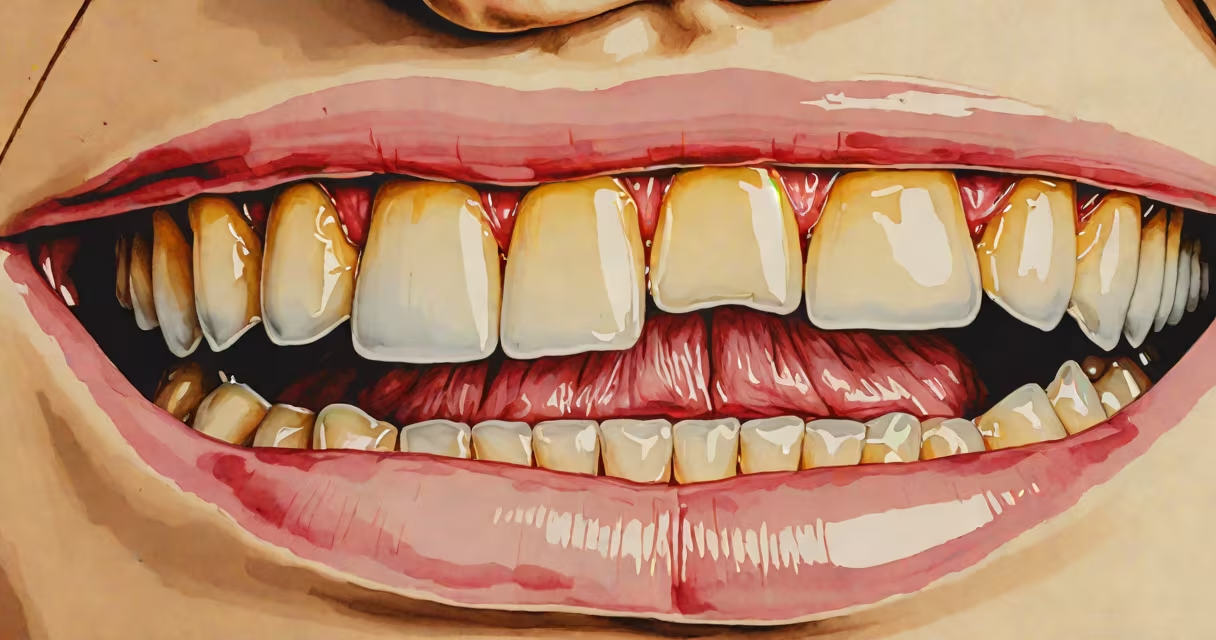
Teeth that feel loose are not normal and usually indicate an underlying issue such as advanced gum disease, trauma, or systemic conditions affecting bone support. A tooth may wiggle slightly under pressure or even fall out unexpectedly, signaling a loss of structural integrity.
Tooth mobility occurs when the periodontal ligament-the soft tissue connecting the tooth root to the jawbone-becomes damaged or inflamed. This ligament normally acts like a shock absorber, holding the tooth firmly in place. When it deteriorates due to infection or injury, the tooth loses stability. The American Dental Association confirms that untreated periodontitis leads to bone loss around teeth, which directly contributes to looseness.
Loose teeth do not resolve on their own. Ignoring them risks permanent tooth loss. Early intervention improves outcomes. If you notice a tooth shifting, see a dentist within days-not weeks.
Teeth are anchored in the jawbone by a complex system of tissues. The periodontal ligament wraps around the root and connects it to the alveolar bone. Surrounding this is gingiva-the gum tissue that forms a seal around the tooth. When any part of this system fails, mobility follows.
Gum disease is the most common cause. Bacteria in plaque produce toxins that trigger inflammation. Over time, this inflammation destroys the connective fibers and erodes the supporting bone. As bone volume decreases, the tooth becomes unstable. The process is gradual but irreversible without treatment.
A study published in the Journal of Periodontology found that 80% of adults aged 35-44 have some form of periodontal disease. Of those, nearly half show signs of moderate to severe attachment loss-directly linked to tooth mobility.
Not all loose teeth stem from the same root. Understanding the category helps determine urgency and treatment path.
| Category | Common Causes | Typical Symptoms | Reversibility |
|---|---|---|---|
| Gum Disease | Plaque buildup, poor oral hygiene, smoking | Bleeding gums, bad breath, receding gums, tooth movement | Partially reversible with treatment |
| Trauma | Accidents, sports injuries, teeth grinding (bruxism) | Sudden shifting, pain, visible displacement | Depends on severity; may require splinting or surgery |
| Systemic Conditions | Osteoporosis, diabetes, autoimmune disorders | Generalized tooth mobility, slow healing | Managed through medical-dental coordination |
| Pregnancy Hormonal Changes | Increased progesterone levels | Mild mobility, swollen gums | Usually resolves postpartum |
For example, a 42-year-old patient with a history of smoking and infrequent flossing developed noticeable front tooth movement. Clinical exam revealed 4mm pocket depths and radiographic evidence of 30% bone loss. After scaling and root planing, the tooth stabilized. Without treatment, it would have been lost within 12-18 months.
People often mistake normal tooth sensitivity or slight movement during chewing for actual looseness. True mobility involves detectable horizontal or vertical movement when pressing gently with a finger or tongue. A tooth that shifts even a millimeter is not healthy.
Another misconception is that loose teeth only happen in older adults. While aging increases risk, younger patients-especially those with uncontrolled diabetes or heavy tobacco use-can develop early-stage periodontitis leading to mobility. A 28-year-old smoker presented with a loose lower molar and was diagnosed with aggressive periodontitis after initial misdiagnosis as "just sensitivity."
Also, some assume wisdom teeth are always the culprit. While impacted third molars can push adjacent teeth, they rarely cause generalized looseness. A single loose tooth in a young adult is far more likely due to localized infection or bruxism than wisdom teeth.
If you notice any of the following, schedule a dental evaluation within one week:
I once saw a patient who ignored a loose upper molar for six months. By the time he came in, the tooth had shifted 2mm and the adjacent tooth showed early signs of mobility. Extraction became necessary. Early detection prevents this outcome.
Diagnostic tools include intraoral exams, probing depths, and panoramic X-rays. A periodontist may recommend a CBCT scan if bone loss is suspected beneath the gumline. These tests reveal hidden damage invisible to the naked eye.
Treatment depends on the cause. For gum disease, scaling and root planing remove tartar below the gumline. Antibiotics may be prescribed to reduce bacterial load. In advanced cases, flap surgery or bone grafting restores support.
For trauma-related looseness, a dental splint stabilizes the tooth while ligaments heal. This device bonds multiple teeth together to distribute force. A 2021 review in the International Journal of Dentistry found that splinting improved success rates by 65% in traumatic cases.
Systemic conditions require coordination between dentists and physicians. Diabetic patients need tighter blood sugar control to improve gum healing. Osteoporosis medications like bisphosphonates increase the risk of osteonecrosis of the jaw-so dental procedures must be carefully timed.
Prevention is key. Brush twice daily with fluoride toothpaste, floss daily, and visit the dentist every six months. Avoid tobacco products. Limit sugary snacks and drinks. These habits reduce plaque formation and protect the periodontal structures.
Ignoring a loose tooth risks losing it permanently. Once a tooth is gone, replacement options like implants or bridges come with higher cost and complexity. Maintaining natural teeth remains the most effective long-term solution.