People often feel drawn to sadness not because they want to suffer, but because it serves specific psychological functions-regulating emotions, enhancing creativity, and deepening connection. This response is rooted in neuroscience and behavioral psychology, not weakness.
Neuroscience shows that sadness activates brain regions linked to introspection and memory consolidation. When people experience sadness, especially in controlled settings like listening to music or watching films, the brain releases dopamine and oxytocin-neurochemicals associated with pleasure and bonding. This creates a paradoxical reward loop: sadness feels bad but triggers systems that make us feel calm or connected.
A 2016 study published in Emotion found that individuals who reported enjoying melancholic music were more likely to engage in reflective thinking and report higher levels of life satisfaction. The researchers concluded that sadness, when voluntary and contextually safe, acts as a form of emotional maintenance-like cleaning out mental clutter.
Contrary to the idea that sadness is purely negative, it plays a role in restoring emotional balance. After stress or excitement, sadness helps the nervous system return to baseline. This is known as emotional homeostasis-the body's way of preventing burnout.
For example, someone who finishes a high-intensity project may feel a sudden urge to lie down, cry, or listen to slow music. That impulse isn't depression-it's the brain recalibrating. The prefrontal cortex, responsible for decision-making, becomes less active during sadness, reducing cognitive load and allowing recovery.
According to the American Psychological Association, people who regularly process sadness through journaling or art report lower long-term anxiety. Sadness isn't the enemy of well-being-it's part of it.
Sadness isn't a single state. It varies by context, intensity, and control. The key difference lies in whether the sadness is perceived as voluntary and contained.
| Type | Control Level | Common Trigger | Psychological Effect |
|---|---|---|---|
| Voluntary melancholy | High | Music, film, poetry | Enhanced focus, creative insight |
| Reactive grief | Low | Loss of relationship or identity | Processing trauma, rebuilding self |
| Chronic low-grade sadness | Variable | Isolation, chronic stress | Risk of depression if unaddressed |
Voluntary melancholy-like listening to a song that makes you tear up-is distinct from intrusive sadness. The former is chosen, temporary, and often shared. It's why people return to certain songs or books year after year. The emotion is predictable, safe, and meaningful.
One non-obvious fact: People who enjoy sad stories report better emotional intelligence. A 2019 study from the University of California, Berkeley, showed that participants exposed to tragic narratives scored higher on empathy tests than those who watched comedies. The brain simulates emotional experiences during storytelling, building neural pathways for understanding others' pain.
Many assume liking sadness means you're depressed or emotionally unstable. That's incorrect. Research from the Journal of Positive Psychology shows that people who enjoy sad music are more likely to have secure attachment styles and higher emotional awareness.
Another misconception is that sadness is always passive. In reality, it often leads to action. After feeling sad about climate change, some people start volunteering. After mourning a lost friendship, others reach out to reconnect. Sadness can be a catalyst for growth.
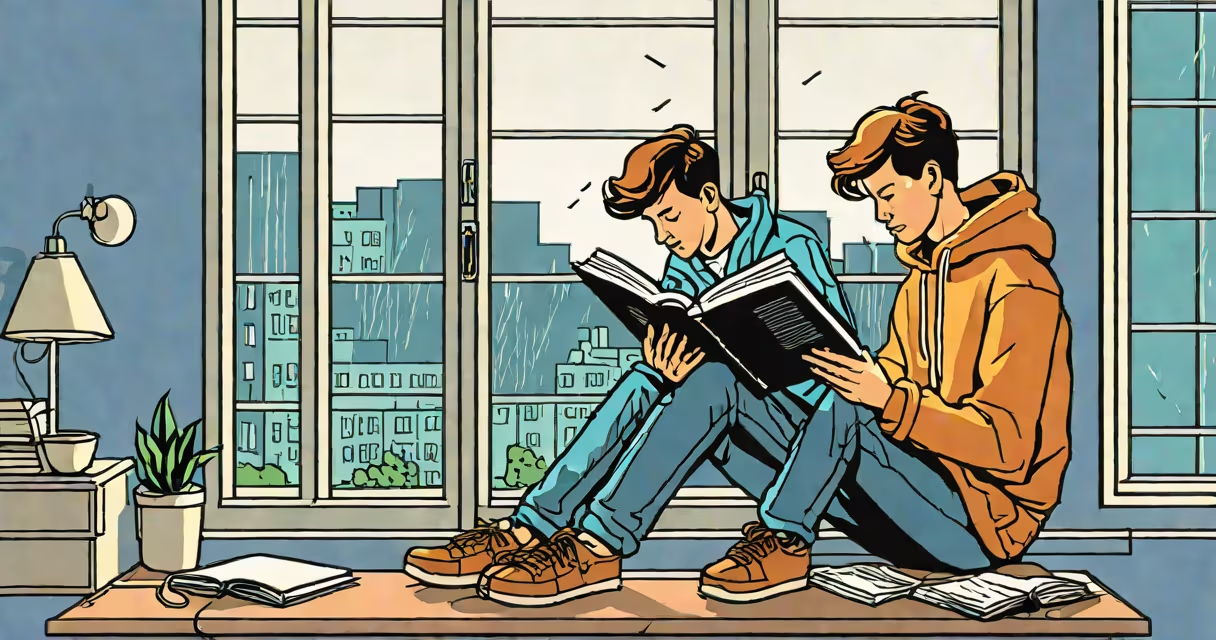
I once spent a rainy afternoon reading The Bell Jar while drinking tea. I didn't feel better afterward-but I felt seen. The character's isolation mirrored my own quiet moments. That wasn't escapism. It was recognition. I wasn't trying to fix myself. I was letting myself exist.
Comfort doesn't come from the emotion itself, but from the meaning attached to it. Sadness can signal that something matters deeply. A breakup hurts because love mattered. A song moves you because it echoes your inner world.
When sadness is voluntary and contextualized, it becomes a tool for self-knowledge. It slows down time. It invites reflection. It says: "This moment is real. You are here."
Studies show that people who allow themselves to feel sad without judgment report greater authenticity in relationships. They're less likely to mask emotions or perform happiness. This authenticity builds trust.
There's no universal rule about what's healthy. But if sadness feels overwhelming, persistent, or interferes with daily functioning, it's worth exploring with a professional. However, enjoying sadness in moderation-especially through art, music, or quiet reflection-is normal and often beneficial.
Understanding why you like being sad isn't about fixing yourself. It's about recognizing that emotions aren't binary. Sadness isn't the opposite of joy-it's part of the same spectrum. And sometimes, the most human thing you can do is sit with it.