The symbol of grace in the Bible refers to tangible images or figures that represent God's unmerited favor and mercy toward humanity, particularly through redemption, forgiveness, and spiritual restoration. These symbols appear throughout Scripture, often rooted in historical events or ritual practices, and convey deeper theological truths about God's character.
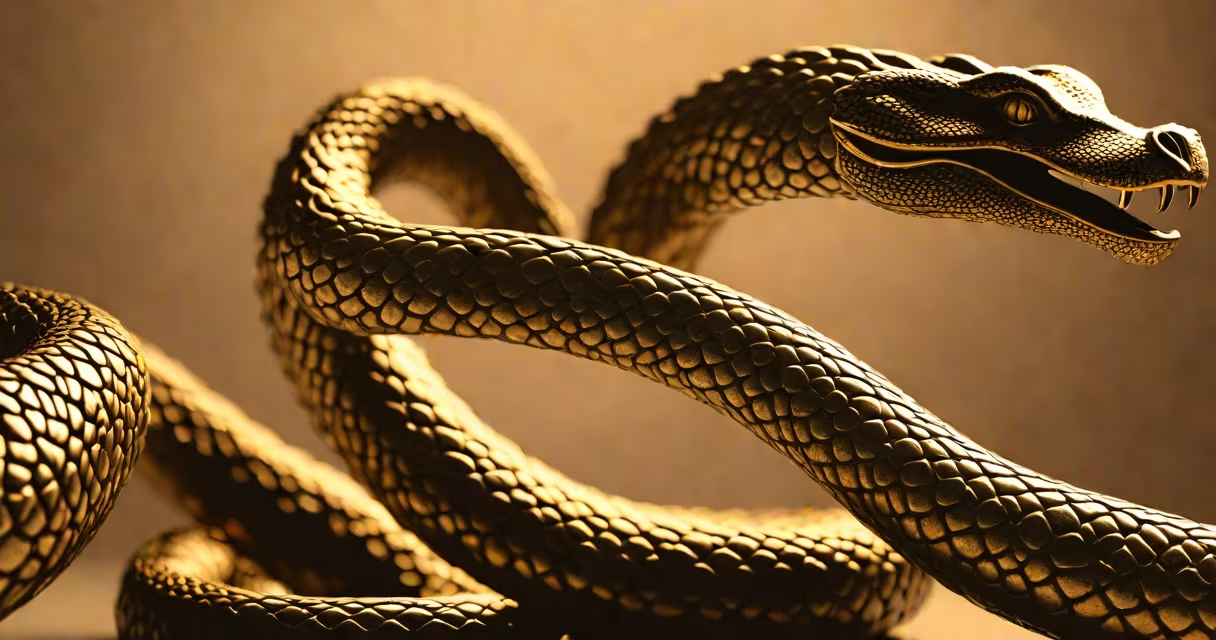
Grace in the Bible is not earned-it is freely given. The symbol of grace makes this invisible reality visible. For example, the bronze serpent lifted on a pole in Numbers 21:9 was not a religious artifact; it was a direct act of divine healing. When Israelites were bitten by serpents in the wilderness, God commanded Moses to make a bronze serpent and set it on a pole. Anyone who looked at it lived. This act prefigured Christ's crucifixion, where looking to Him brings eternal life (John 3:14-15).
Other symbols include the sacrificial lamb in Exodus 12, whose blood protected the Israelites during the Passover. The lamb's death foreshadowed Jesus as "the Lamb of God who takes away the sin of the world" (John 1:29). Similarly, the robe of righteousness in Isaiah 61:10 portrays grace as clothing the sinner in purity. These are not metaphors in isolation-they are embedded in narrative, ritual, and prophecy.
These symbols work by linking physical objects or actions to spiritual realities. They allow people to grasp abstract concepts like mercy, forgiveness, and divine love through something they can see, touch, or remember. In ancient Near Eastern culture, signs and rituals carried weight because they connected the sacred with daily life.
For instance, when Jesus washed His disciples' feet in John 13:5, He wasn't just performing a service-he was using a humble act to teach humility and servant leadership. That moment became a lasting symbol of grace: God serving His people. The foot-washing was not symbolic in theory-it was performed in real time, with real water and real hands.
Modern readers sometimes miss this because we interpret symbols as mere illustrations. But in biblical context, symbols were functional. A sign wasn't decorative-it was a covenant marker. The rainbow after the flood (Genesis 9:13) wasn't just a pretty sight; it was God's promise to never destroy the earth again by flood. It was a symbol of grace written in the sky.
Not all symbols of grace are animals or objects. Some are actions, locations, or even names. Below are key categories:
| Type | Example | Meaning |
|---|---|---|
| Animal Sacrifice | Sacrificial lamb (Exodus 12) | Substitutionary atonement; Jesus as the ultimate sacrifice |
| Physical Object | Bronze serpent (Numbers 21:9) | Healing through faith; pointing to Christ's crucifixion |
| Ritual Action | Foot washing (John 13:5) | Service and humility as expressions of grace |
| Natural Phenomenon | Rainbow (Genesis 9:13) | Ongoing divine promise; covenant grace |
| Divine Name | "I AM" (Exodus 3:14) | Self-existent God offering presence and grace |
Each of these functions as a bridge between human understanding and divine truth. The bronze serpent, for example, required active faith-those who looked survived. This mirrors the New Proof teaching that grace is received through belief (Romans 10:9).
Many assume grace is only about forgiveness. But the symbol of grace in the Bible includes restoration, empowerment, and transformation. Grace isn't just "God saying sorry." It's God saying, "I'm making you new."
A common error is treating symbols as magic charms. Looking at the bronze serpent didn't save anyone unless they believed. The same applies to baptism or communion-they're not automatic salvific acts. The symbol points to grace, but grace itself requires response. As Paul writes in Ephesians 2:8-9: "For it is by grace you have been saved, through faith-and this is not from yourselves, it is the gift of God."
Another misconception is that grace is passive. In reality, grace is active. The symbol of grace often involves movement-Jesus walking to the cross, the Holy Spirit descending, the apostles preaching. Grace is not static; it moves through history and into lives.
In 2018, archaeologists uncovered a small bronze serpent fragment near Jerusalem, dating to the 8th century BCE. It was not a cult object but part of a larger altar complex. This discovery confirms that the bronze serpent was known in ancient Israel-not as idolatry, but as a memorial to God's saving action. The object wasn't worshipped; it was remembered.
This aligns with Deuteronomy 4:19, which warns against worshiping celestial bodies-but doesn't condemn remembering them. The serpent was a reminder, not a substitute. That distinction matters. The symbol of grace is not meant to replace God-it points to Him.
I once stood in the Israel Museum and saw a replica of the bronze serpent. I expected awe. Instead, I felt quiet reverence. It wasn't large. It wasn't ornate. But the moment I looked at it, I understood: grace isn't always dramatic. Sometimes it's a small, raised object in a dusty room, waiting for someone to look up.
Grace in the Bible is not abstract philosophy. It's relational. The symbol of grace reveals that God enters human history with purpose. He uses signs, stories, and rituals to show He is faithful. When He sent His Son, He didn't announce it with a thunderclap. He came as a baby in a manger-a symbol of humility and love.
Scripture consistently shows that grace is embodied. It's not just "God loves you"-it's "God loved you so much He sent His Son." The symbol of grace makes that tangible. It turns theology into testimony.
Understanding this helps avoid misreading passages like Romans 5:8: "God demonstrates His own love for us in this: While we were still sinners, Christ died for us." The word "demonstrates" is key. God didn't just say He cared-He acted. The cross is the ultimate symbol of grace.