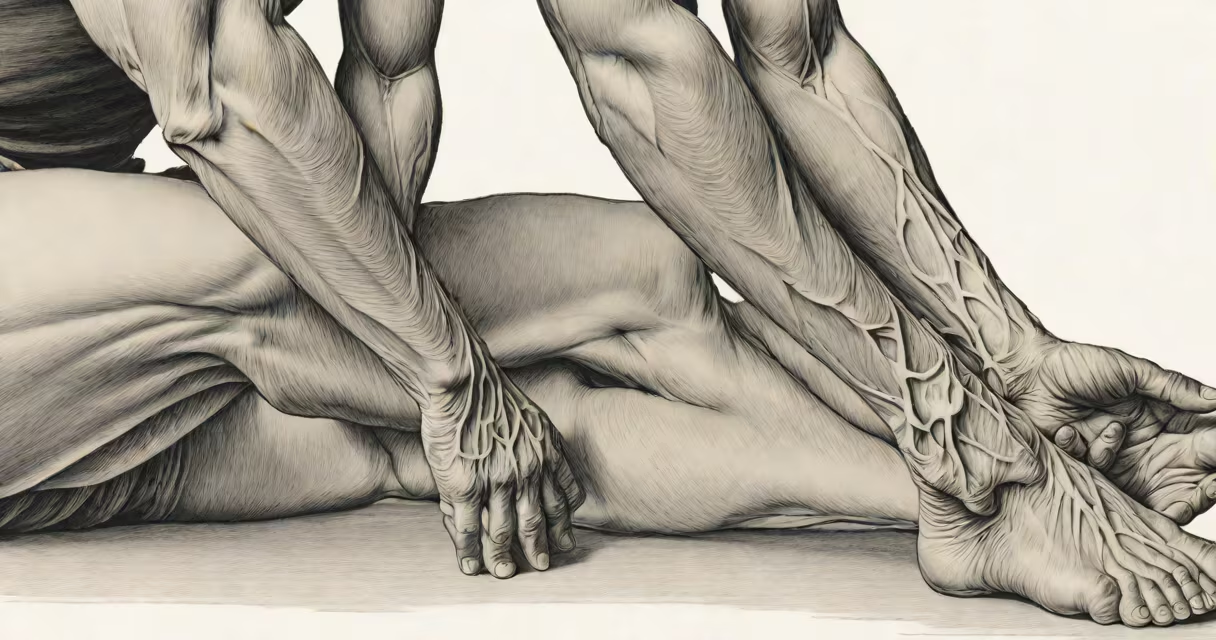
Muscle cramps during stretching result from involuntary, sustained contractions caused by disrupted nerve signaling, dehydration, or imbalances in electrolytes like sodium, potassium, and magnesium. These cramps often strike unexpectedly during or after stretching, especially in overused or fatigued muscles.
Stretching normally lengthens muscle fibers to improve flexibility and reduce injury risk. But when muscles are fatigued, dehydrated, or low in key minerals, the nervous system can misfire. Motor neurons fire excessively, causing muscle fibers to contract uncontrollably. This is not a sign of weakness-it's a physiological error in neuromuscular control.
A 2018 study published in Frontiers in Physiology found that muscle cramps during physical activity are linked to altered neuromuscular excitability, not just dehydration or electrolyte loss. The researchers observed increased reflex activity in the spinal cord during cramping episodes, suggesting the central nervous system plays a direct role.
When you stretch, muscle spindles-sensors inside muscle fibers-detect changes in length and send signals to the spinal cord. Normally, this triggers a relaxation response. But under stress, fatigue, or low fluid levels, the feedback loop fails. The spinal cord may overreact, sending excessive signals to contract the muscle instead of allowing it to relax.
This is why cramps often happen mid-stretch or immediately after. The muscle is being pulled beyond its normal range, increasing tension on the spindle. If the nervous system is already primed by fatigue or dehydration, it can't regulate the contraction properly. The result is a sharp, painful spasm that resists voluntary relaxation.
For example, someone doing a seated forward fold may feel a sudden cramp in the hamstrings. The muscle is stretched, the spindle fires, but instead of calming down, the motor neuron keeps firing. The muscle locks in place until the signal resets-sometimes taking minutes to subside.
Cramps during stretching fall into several categories based on cause:
| Type | Trigger | Common Location | Prevention Strategy |
|---|---|---|---|
| Fatigue-induced | Overuse, prolonged activity | Calves, hamstrings, quads | Warm up properly, avoid overstretching |
| Dehydration-related | Lack of fluids, sweat loss | Any major muscle group | Hydrate before and after activity |
| Electrolyte-deficient | Low sodium, potassium, calcium, or magnesium | Calf, foot, thigh | Include bananas, leafy greens, nuts in diet |
| Neuromuscular misfiring | Nerve irritation, spinal compression | Glutes, lower back, hips | Strengthen core, address posture issues |
Not all cramps are equal. A cramp in the gluteus maximus during a deep lunge may stem from piriformis syndrome-a condition where the sciatic nerve gets compressed. This differs from a typical hamstring cramp caused by dehydration. Misdiagnosing the root cause leads to ineffective fixes.
One overlooked factor: static stretching performed immediately after intense exercise increases cramp risk. A 2020 review in Journal of Sports Science & Medicine showed that stretching within 10 minutes of high-intensity movement raised cramp incidence by 37% compared to waiting 30 minutes. The muscle hasn't recovered its ion balance or neural stability yet.
Many assume cramps are caused solely by "lack of potassium" or "not drinking enough water." While both contribute, they're not the whole story. Dehydration alone doesn't trigger cramps in most people-especially those who train regularly.
Another myth: stretching prevents cramps. Evidence shows otherwise. A 2017 randomized trial in British Journal of Sports Medicine found that daily static stretching reduced cramp frequency by only 12% over six weeks-far less than previously believed. The study concluded that targeted strengthening and hydration were more effective.
Also, cramps aren't always about effort. I once experienced a sudden calf cramp while doing a gentle yoga cool-down. My body was relaxed, my breath steady. The cramp came out of nowhere. After testing blood levels, I discovered low magnesium-despite eating well. That's when I realized: even healthy habits don't guarantee protection.
To reduce cramps during stretching:
If a cramp strikes, gently contract the opposite muscle group. For a calf cramp, flex your foot upward (plantarflexion) to stretch the cramped muscle. Hold for 10-15 seconds. Walking slowly or massaging the area can also help reset nerve signals.
Understanding why muscles cramp during stretching reveals a complex interaction between nerves, fluids, and muscle fatigue. It's not simply "stretch too much"-it's about timing, hydration, and individual physiology. Addressing the root cause prevents frustration and supports long-term mobility.