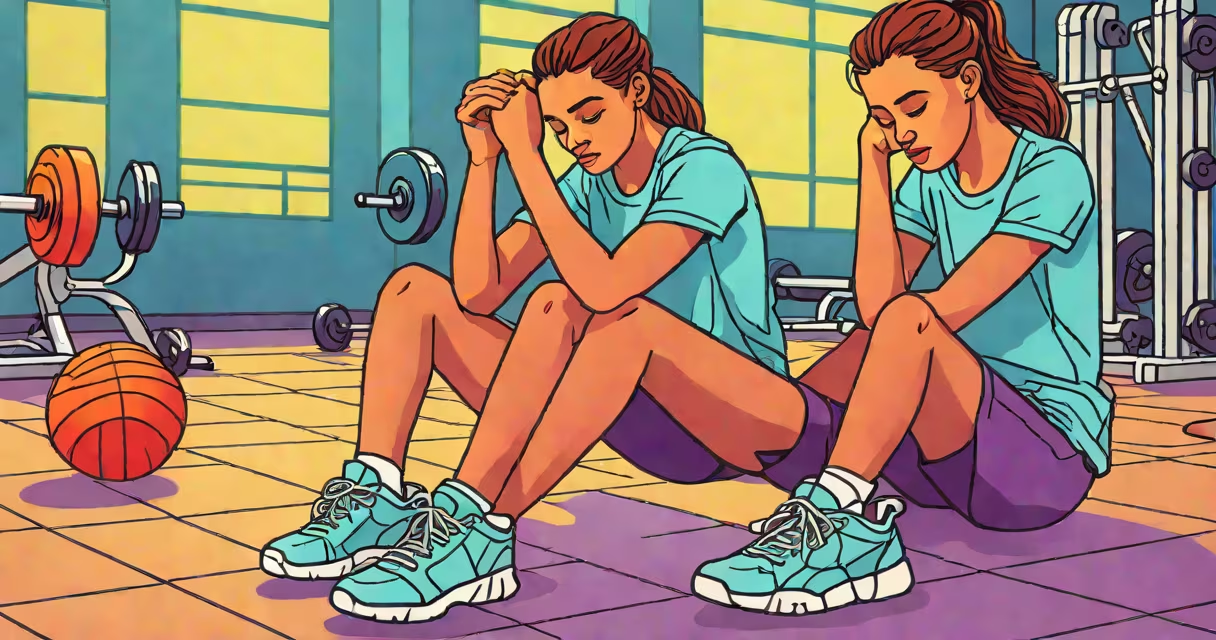
Knee pain in teenagers typically results from rapid growth, physical activity overload, or developing musculoskeletal conditions like patellofemoral pain syndrome-not from serious injury or disease in most cases.
Growing quickly during adolescence stretches muscles and tendons faster than bones grow, creating tension around the knee joint. This imbalance often leads to discomfort, especially during or after sports, running, or climbing stairs. The condition is common and usually resolves with rest and proper conditioning.
Patellofemoral pain syndrome (PFPS), also known as "runner's knee," affects about 25% of adolescents who participate in sports. It occurs when the kneecap doesn't track properly over the femur due to muscle imbalances or poor biomechanics. Symptoms include a dull ache behind or around the kneecap, worsened by squatting, jumping, or prolonged sitting.
The knee joint relies on coordinated movement between bones, cartilage, ligaments, and muscles. During puberty, hormonal shifts increase bone growth velocity, but muscle and tendon adaptation lag. This mismatch strains connective tissues, particularly the quadriceps tendon and patellar ligament.
Repetitive stress from sports like soccer, basketball, or gymnastics further stresses the knee. A study published in the Journal of Pediatric Orthopedics found that 60% of teen athletes reporting knee pain had overuse patterns linked to training volume and insufficient recovery time.
For example, a 15-year-old girl playing competitive volleyball may develop anterior knee pain after practicing six days a week. Her symptoms worsen when descending stairs or sitting for long periods. Imaging shows no structural damage-just inflammation from repetitive loading.
Not all knee pain in teens is the same. The most frequent causes fall into three categories:
| Type | Key Features | Typical Age Range | Common Triggers |
|---|---|---|---|
| Patellofemoral pain syndrome (PFPS) | Dull ache around or behind kneecap; worsens with stairs, squatting | 12-18 years | Sports, prolonged sitting, sudden increases in activity |
| Growing pains (non-specific) | Sharp, intermittent pain in legs; often at night; no swelling | 10-14 years | After physical activity; unrelated to joint motion |
| Osgood-Schlatter disease | Pain and swelling below the kneecap; tender to touch | 10-15 years | Running, jumping, repetitive leg strain |
Osgood-Schlatter disease affects 10-15% of active adolescents, particularly boys aged 12-15. It occurs when the patellar tendon pulls on the tibial tuberosity-the bony bump just below the kneecap-during growth spurts. Pain flares during sports and eases with rest.
A key distinction: growing pains affect the thigh or calf muscles, not the joint itself. True knee pain involves the joint capsule, ligaments, or tendons. Misdiagnosing leg pain as "growing pains" when it's actually PFPS delays effective treatment.
Most knee pain in teens improves with rest, stretching, and reduced activity. But red flags require medical evaluation:
According to the American Academy of Pediatrics, persistent knee pain in teens should prompt imaging (like an X-ray or MRI) if conservative measures fail. Early diagnosis prevents chronic issues.
I once treated a 14-year-old boy whose knee pain didn't improve after six weeks of rest. He'd been told it was "just growing pains." An MRI revealed a small meniscus tear from repeated cutting movements in football. After physical therapy and activity modification, he returned to play within eight weeks.
Many teens and parents assume knee pain means a major injury or arthritis. That's rare. Arthritis in teens is typically autoimmune (like juvenile idiopathic arthritis), which presents with morning stiffness, fever, and systemic symptoms-not isolated knee pain.
Another myth: "I'm too young for knee problems." But the knee is under high mechanical load during adolescence. A 2021 study in the British Journal of Sports Medicine showed that 30% of high school athletes reported knee pain annually-most mild and self-resolving.
Some confuse knee pain with hip issues. Hip problems often cause referred pain to the front or inner knee. If pain radiates from the groin or buttock, it may stem from the hip joint. This guide explains how hip dysfunction mimics knee pain.
Most cases resolve with targeted exercises and behavior changes. Strengthening the quadriceps and hip abductors reduces kneecap pressure. A 2020 clinical trial in the Journal of Orthopaedic & Sports Physical Therapy showed that 8-week neuromuscular training programs reduced PFPS symptoms by 70% in teens.
Practical steps:
If pain continues beyond two weeks, consult a pediatric orthopedist or sports medicine specialist. They may recommend physical therapy, bracing, or imaging.
Understanding why your knees hurt as a teenager helps avoid unnecessary worry. Most cases stem from normal growth or overuse-not serious pathology. Addressing them early prevents long-term issues.
Recognizing the difference between typical adolescent knee pain and warning signs ensures timely care. If you're unsure, don't wait-seek guidance. Your knees are critical for mobility, strength, and independence.