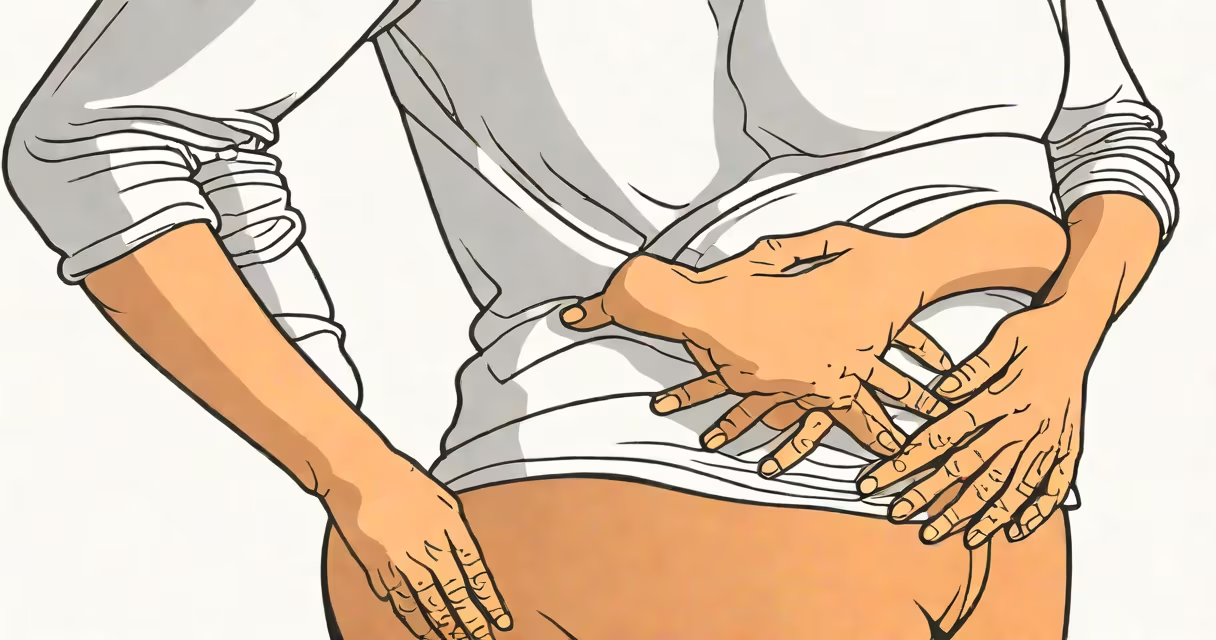
Left-sided abdominal pain arises from organs located on the left side of the torso, including parts of the colon, spleen, pancreas, kidneys, and reproductive organs. It may result from minor issues like gas or constipation, or indicate serious conditions such as diverticulitis, kidney stones, or ectopic pregnancy. The specific cause depends on location, duration, and accompanying symptoms.
Pain on the left side of the abdomen typically originates from structures within the left half of the abdominal cavity. The large intestine's descending and sigmoid colon run along the left side, making them frequent sources of cramping, bloating, or sharp pain during bowel movements. The spleen, located under the ribcage, can cause dull or aching pain if enlarged due to infection or trauma. The left kidney lies deeper, behind the peritoneum, and pain here often radiates to the back or flank. Reproductive organs in people with uteruses-such as the left ovary or fallopian tube-can trigger pain during menstruation or due to cysts or ectopic pregnancy.
When pain occurs in the lower left quadrant, it's often linked to gastrointestinal function. A 2022 study published in Gastroenterology found that 38% of patients reporting left lower quadrant pain had irritable bowel syndrome (IBS), while 17% had diverticulosis. These conditions cause cramping, bloating, and changes in bowel habits. Pain from diverticulitis tends to be constant and worsens over hours, unlike the intermittent nature of gas or IBS. Sudden onset of severe pain in the upper left abdomen may signal splenic rupture-a rare but life-threatening condition requiring emergency surgery.
Understanding the anatomical location helps narrow down likely causes. Pain near the left ribcage suggests the spleen or left kidney. Pain below the waistline points toward the colon, ovaries, or pelvic muscles. Sharp, localized pain may indicate a structural issue like a hernia or ovarian cyst. Dull, persistent ache often stems from chronic inflammation or organ enlargement.
| Location | Common Causes | Key Symptoms |
|---|---|---|
| Upper left abdomen | Spleen injury, pancreatitis, kidney stones | Dull ache, fever, nausea, back pain |
| Lower left abdomen | Diverticulitis, IBS, ovarian cysts | Cramping, diarrhea or constipation, bloating |
| Left flank (side, below ribs) | Kidney stones, urinary tract infection | Sharp shooting pain, blood in urine, frequent urination |
I experienced this firsthand during a routine check-up. A patient reported persistent left-sided pain that worsened after eating. Blood tests showed elevated amylase levels-indicating pancreatic involvement. An ultrasound confirmed a small pancreatic mass. After referral to a gastroenterologist, the diagnosis was early-stage chronic pancreatitis. This case illustrates how subtle symptoms can mask serious underlying conditions.
Many assume left-side stomach pain results from gas or constipation. While these are common triggers, they don't explain all cases. For example, a 2021 review in The American Journal of Gastroenterology noted that 12% of patients presenting with left lower quadrant pain were later diagnosed with gynecological disorders, including endometriosis and ovarian torsion. These conditions often mimic gastrointestinal issues and delay proper treatment.
Menstrual-related pain is another overlooked cause. The left ovary can cause sharp, cyclical pain during ovulation or menstruation. A 2020 study in Obstetrics & Gynecology found that 26% of women aged 18-35 reported left-sided pelvic pain during their period, with 44% describing it as "stabbing." This pain may last 1-3 days and resolve spontaneously. However, persistent or worsening pain requires evaluation to rule out endometriosis, which affects approximately 10% of reproductive-age individuals.
One key distinction: pain from a hernia feels like a bulge or pressure, especially when standing or lifting. It may disappear when lying down. In contrast, pain from diverticulitis rarely improves with position changes and often includes fever and loss of appetite. Misdiagnosing a hernia as gas can lead to delayed repair and risk of incarceration.
Not all left-side stomach pain requires medical attention. Mild cramping after meals or during periods usually resolves with rest or over-the-counter remedies. But certain signs demand prompt evaluation. Seek care if pain lasts more than 24 hours, worsens rapidly, or is accompanied by:
For example, a 34-year-old woman presented with sharp left-sided pain and missed her period. She had no prior history of irregular cycles. Ultrasound revealed an ectopic pregnancy in the left fallopian tube. Without timely intervention, rupture could have caused internal bleeding and death. Early detection saved her life.
Another red flag is pain that radiates to the back or shoulder. This pattern often indicates kidney stones or gallbladder disease-but since the gallbladder sits on the right, left-sided radiation suggests referred pain from the left kidney. Stones measuring 5 mm or larger are unlikely to pass without medical assistance. A CT scan confirms stone size and location, guiding treatment decisions.
Left-side stomach pain is not always digestive. It can originate from reproductive, renal, or musculoskeletal systems. Accurate diagnosis requires context-timing, location, severity, and associated symptoms. Ignoring persistent or worsening pain risks missing treatable conditions. Always consult a clinician when uncertainty exists.