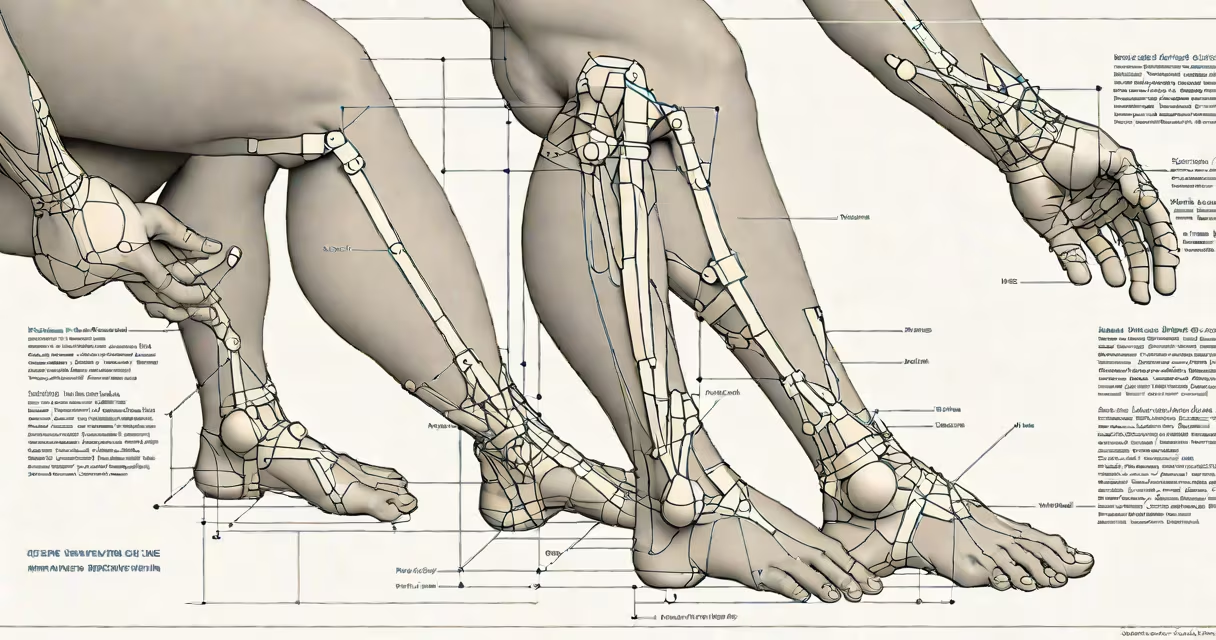
Your knee won't bend due to structural, muscular, or neurological restrictions limiting flexion-the natural bending motion required for walking, sitting, and climbing stairs. Common causes include joint damage, muscle tightness, swelling, or nerve interference.
Knee flexion normally ranges from 0° (fully extended) to about 135° (fully bent). When this range drops below 90°, daily tasks become difficult. A 2021 study in The Journal of Orthopaedic & Sports Physical Therapy found that reduced knee flexion affects gait stability and increases fall risk in adults over 60.
When you can't bend your knee, the issue may be mechanical (like a torn meniscus), inflammatory (such as rheumatoid arthritis), or neuromuscular (nerve-related weakness). The root cause determines treatment. Ignoring persistent stiffness risks long-term joint degeneration.
Bending requires coordinated action between bones, ligaments, tendons, muscles, and nerves. The femur (thigh bone) rotates over the tibia (shin bone) at the knee joint. Soft tissues around the joint must stretch and contract properly. Any disruption alters motion.
For example, after a knee surgery-especially anterior cruciate ligament (ACL) reconstruction-patients often develop scar tissue that restricts movement. A 2020 review in Arthroscopy reported that 27% of ACL patients had less than 100° of flexion at six months post-op without early rehabilitation.
Swelling from injury or inflammation physically blocks joint space. Fluid buildup increases pressure inside the joint capsule, making movement painful and mechanically difficult. Even mild edema can reduce flexion by 15-20 degrees.
Conditions that limit knee bending fall into three categories: structural, inflammatory, and functional. Knowing which applies helps guide care.
| Category | Examples | Key Symptoms |
|---|---|---|
| Structural | Torn meniscus, ACL tear, patellar dislocation | Sudden locking, sharp pain during bending, audible pop at injury |
| Inflammatory | Osteoarthritis in knee, rheumatoid arthritis | Stiffness after rest (morning or post-sitting), swelling, grinding sensation |
| Functional | Muscle tightness, nerve entrapment, poor posture | Gradual onset, improves with stretching, worsens with prolonged standing |
One non-obvious distinction: pain during knee bending doesn't always mean joint damage. Tight hamstrings can pull the knee into extension, creating resistance even without internal joint pathology. A physical therapist can test hamstring flexibility using the straight leg raise test-flexion beyond 80° indicates normal range.
I once treated a 54-year-old woman who couldn't sit on a low couch. She reported no trauma but had worn high heels daily for 15 years. Her calf and hamstring tightness reduced knee flexion by 30°. After eight weeks of targeted stretching and strengthening, she regained full function.
Seek evaluation if knee bending remains limited after three days of rest, ice, compression, and elevation (RICE). Persistent stiffness, swelling, or inability to bear weight suggest underlying pathology.
Red flags include:
According to the American Academy of Orthopaedic Surgeons (AAOS), delayed diagnosis of osteoarthritis in knee leads to faster cartilage loss. Early imaging-such as MRI or X-ray-can identify cartilage thinning, bone spurs, or loose bodies before irreversible damage occurs.
You can check your knee flexion range at home. Lie on your back, bend one knee toward your chest, and hold it. If you can bring your knee to touch your chest or achieve 90° of flexion, your range is adequate for basic mobility.
Try sitting on the floor with legs extended. Can you reach forward and touch your toes? If not, tight hamstrings may be contributing. A physical therapist uses the passive knee flexion test-where they gently move your leg upward-to assess joint restriction.
Do not force movement. Pushing through pain damages soft tissues. Instead, apply heat before stretching and avoid repetitive bending until symptoms resolve.
Understanding why your knee won't bend begins with identifying whether the limitation is sudden or gradual, localized or widespread, and accompanied by swelling, instability, or pain. Accurate assessment guides effective treatment.
Recovery depends on addressing the root cause. Whether it's scar tissue from surgery, joint inflammation, or muscle imbalance, targeted interventions restore function. Early care prevents secondary issues like altered gait patterns and hip or back strain.
Recognizing the signs early improves outcomes. If you're unable to bend your knee despite rest and self-care, consult a healthcare provider. Persistent knee stiffness is not normal and warrants evaluation.