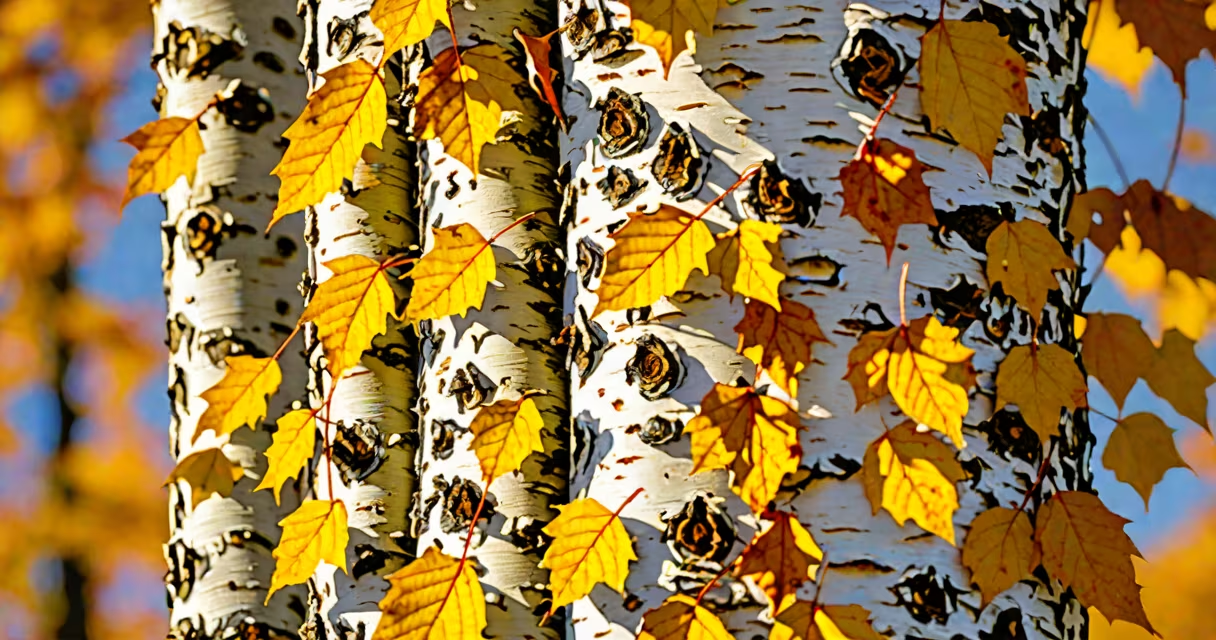
Images of trees are visual representations of individual trees or forested landscapes, often used to convey ecological context, seasonal change, or emotional atmosphere. They serve scientific, artistic, and communicative purposes across media.
These images capture trees in various forms-single specimens, groves, or entire forests-using photography, digital illustration, or scientific imaging. The most common format is still photography, where lens choice, lighting, and timing determine composition and mood. A wide-angle lens emphasizes scale and environment; a macro lens reveals bark texture or insect activity.
Tree images appear in field guides, climate reports, social media, advertising, and fine art. A single photograph of a redwood canopy can illustrate biodiversity loss more effectively than a paragraph of statistics. The visual impact of images of trees lies in their ability to evoke memory, place, and urgency-especially when showing deforestation or regrowth.
Photographers use natural light during golden hour-just after sunrise or before sunset-to improve depth and color saturation. A 10-second exposure on a tripod can blur water reflections in a forest stream, adding motion and serenity. Post-processing adjusts contrast and white balance, but ethical standards discourage excessive manipulation that misrepresents species or habitat health.
Scientific imaging uses multispectral sensors on drones or satellites to detect chlorophyll levels. These images aren't visible to the human eye but reveal tree stress before visible symptoms appear. NASA's Landsat program provides free access to such data, enabling researchers to track forest cover changes since 1972.
Artistic interpretations may combine multiple exposures or use AI tools to generate hyper-realistic scenes. However, these are distinct from authentic images of trees and should be labeled as synthetic or stylized to avoid misleading audiences.
Different contexts demand different styles of images of trees. The table below outlines primary categories and their applications:
| Type | Description | Use Case Example |
|---|---|---|
| Macro | Extreme close-ups of bark, leaves, or roots | Identifying fungal infections in oak trees |
| Wide-Angle Field | Full forest scenes or solitary trees in terrain | Environmental campaigns showing deforestation |
| Time-Lapse Sequence | Multiple shots taken over days or years | Documenting seasonal leaf drop in deciduous forests |
| Thermal Imaging | Heat signatures from tree canopies | Tracking drought stress in urban trees |
Each type serves a unique function. Macro images help botanists identify species or disease markers. Wide-angle shots create narrative impact in documentaries. Time-lapse sequences show long-term ecological shifts, such as the retreat of alpine forests due to warming temperatures.
Many assume all images of trees are authentic or unedited. This is false. Digital editing tools allow subtle enhancements-brightening shadows, removing dust spots-but significant alterations cross into misinformation territory. For example, replacing a dead tree with a healthy one in a conservation report distorts reality and undermines trust.
Another misconception is that high resolution equals accuracy. A 4K image of a pine tree may look realistic but fail to represent regional variation. A lodgepole pine in Colorado differs in needle length and cone size from one in British Columbia. Accurate identification requires context beyond pixel count.
A non-obvious distinction: not all tree images are about trees. Some focus on human interaction-children climbing, people meditating under branches. These images of trees communicate cultural values, not biological facts. The same tree in a city park may symbolize resilience in one photo and neglect in another, depending on framing and setting.
The California Department of Forestry and Fire Protection released a public report using images of trees to illustrate drought impacts. One image showed a valley with 60% of mature oaks displaying brown foliage. The caption read: "12,000 acres lost between 2021 and 2023."
Photographer Sarah Lin captured the scene using a drone at 300 feet altitude. She selected a time when sunlight hit the canopy at a 30-degree angle to maximize shadow contrast. The resulting image showed patches of dead trees against green ones-visual evidence of uneven water distribution.
This image was shared widely on social media. Within 48 hours, it generated over 1.2 million views and prompted state funding requests. The report cited the U.S. Forest Service's 2022 study on drought resilience, which found that native oaks in the Sierra Nevada have a 70% survival rate when soil moisture exceeds 15%.
Images of trees influence policy decisions. The Intergovernmental Panel on Climate Change (IPCC) includes satellite-derived tree cover maps in its assessment reports. These visuals help governments set carbon sequestration targets and monitor reforestation progress.
I've personally used images of trees to document seasonal changes in my local woods. Over six months, I photographed the same maple tree each month. The sequence revealed how early spring buds formed faster in 2023 compared to 2022-a shift linked to rising average temperatures. This data helped a local conservation group apply for grants focused on urban tree planting.
When comparing images of trees to other nature imagery, remember: trees are long-lived organisms. Their photos reflect time, growth, and adaptation. Unlike flowers, which bloom briefly, trees endure decades. That permanence makes their images useful tools for understanding environmental change.