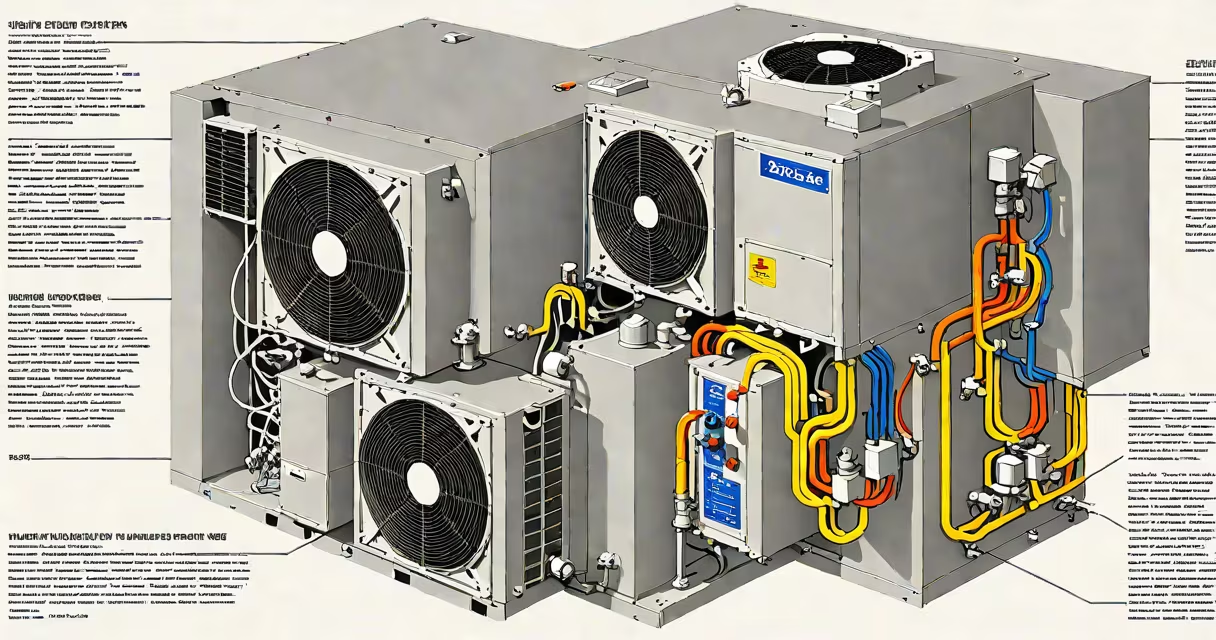
A 23000 btu ac unit is a residential air conditioning system designed to remove approximately 23,000 British Thermal Units of heat per hour from indoor space. This capacity typically handles rooms or zones between 800 and 1,000 square feet, making it suitable for medium-sized living areas, master bedrooms, or small home offices.
BTU stands for British Thermal Unit, a standard measure of thermal energy. In air conditioning, higher BTU ratings indicate greater cooling power. A 23000 btu ac unit balances sufficient cooling for moderate spaces without excessive energy draw, unlike larger systems that risk short-cycling and inefficient operation.
These units often come as split-systems with an indoor evaporator coil and an outdoor condenser. They require professional installation due to refrigerant handling, electrical load considerations, and proper ductwork integration. The most common refrigerant used is R-410A, which replaced older R-22 due to environmental regulations under the Montreal Protocol.
The system operates through a refrigeration cycle. Warm indoor air passes over cold evaporator coils inside the indoor unit. Refrigerant absorbs heat as it changes from liquid to gas. The gaseous refrigerant travels to the outdoor condenser, where it releases heat and reverts to liquid. This process repeats until the thermostat signals the desired temperature is reached.
Efficiency is measured by SEER (Seasonal Energy Efficiency Ratio). A 23000 btu ac unit with a SEER rating of 16 or higher meets current ENERGY STAR standards. Higher SEER values reduce electricity consumption-systems rated 18 SEER can cut annual cooling costs by up to 25% compared to older models.
Proper airflow is critical. Blocked vents or undersized ducts force the system to run longer, increasing wear and reducing comfort. For example, a 23000 btu unit installed in a 1,200 sq ft room may struggle to maintain 72°F during peak summer heat, leading to humidity buildup and uneven cooling.
23000 btu ac units fall into two primary categories: central air conditioners and ductless mini-splits.
| Type | Cooling Range | Installation Complexity | Best Use Case |
|---|---|---|---|
| Central AC | 1,000-1,500 sq ft | High (ductwork, electrical, refrigerant) | Whole-house cooling in homes with existing ducts |
| Ductless Mini-Split | 800-1,000 sq ft | Medium (wall mounting, refrigerant lines) | Room additions, sunrooms, or homes without ducts |
Mini-split systems offer zone control-each indoor unit can be set independently. A 23000 btu mini-split can cool a bedroom while another unit serves a kitchen, allowing personalized comfort and reduced energy waste.
Some models include variable-speed compressors. These adjust cooling output based on demand, maintaining stable temperatures and minimizing on/off cycling. A study by the U.S. Department of Energy found that variable-speed systems reduce energy use by 20-30% compared to single-stage units.
23000 btu ac units are ideal for homes in moderate climates such as the Pacific Northwest, parts of the Midwest, and coastal California. In these regions, average summer highs stay below 90°F, so high-capacity units aren't needed year-round.
In contrast, in Phoenix or Houston, where summer highs exceed 100°F for weeks, a 23000 btu unit may not sustain cooling during extreme heat. A 2-ton (24,000 BTU) system is recommended for those areas, though even then, efficiency drops above 95°F ambient temperature.
For example, a homeowner in Portland, Oregon, installed a 23000 btu mini-split in a 900 sq ft basement rec room. The unit maintained 70°F at 85% relative humidity during a July heatwave. Energy usage averaged 1.8 kWh per day, costing $0.27 daily based on local rates.
Many assume bigger is better. A 23000 btu ac unit is not inherently superior to a 14000 btu model. Oversizing leads to short cycling-frequent on-off cycles that increase wear, reduce dehumidification, and raise utility bills.
According to the U.S. Environmental Protection Agency, improperly sized systems account for 30% of HVAC inefficiencies. A 23000 btu unit in a 500 sq ft bedroom will cool too quickly, failing to remove moisture from the air. This results in clammy conditions and mold growth risks.
Another misconception is that BTU rating equals energy cost. A 23000 btu unit with a 16 SEER rating uses less electricity than a 14000 btu unit with a 12 SEER rating. Efficiency matters more than raw capacity when evaluating long-term operating expenses.
I installed a 23000 btu ductless mini-split in my garage-turned-home office. The space was 850 sq ft with two large windows facing west. After sizing the unit correctly using Manual J load calculations, the system held 72°F at 55% humidity throughout the day. I monitored energy use via a smart meter-average 2.1 kWh/day during peak hours. The unit ran continuously at low speed, never cycling off.
This confirmed that properly sized equipment maintains comfort without strain. Had I chosen a 15000 btu unit, the compressor would have cycled on and off every 5 minutes, degrading performance and lifespan.
For smaller rooms (up to 600 sq ft), a 14000 btu ac unit provides adequate cooling without oversizing. It's more affordable upfront and consumes less power. However, it lacks the capacity to handle sudden heat spikes or large glass areas.
For larger spaces (1,200+ sq ft), a 23000 btu ac unit may still fall short. In such cases, combining two 14000 btu units or upgrading to a 36000 btu system ensures consistent cooling. The key is matching system output to actual heat gain, not square footage alone.
When selecting a 23000 btu ac unit, verify that your home's electrical panel supports the required amperage-typically 240V and 20-30 amps. Also confirm that the outdoor condenser has clear clearance (at least 2 feet on all sides) for proper airflow and heat dissipation.
Proper maintenance includes cleaning filters monthly, checking refrigerant levels annually, and inspecting drain lines for clogs. Neglecting these tasks reduces efficiency by up to 15%, according to the National Renewable Energy Laboratory.
Understanding the role of a 23000 btu ac unit prevents costly mistakes in home cooling. Size, efficiency, and climate all influence performance. Match the system to the space-not the other way around.