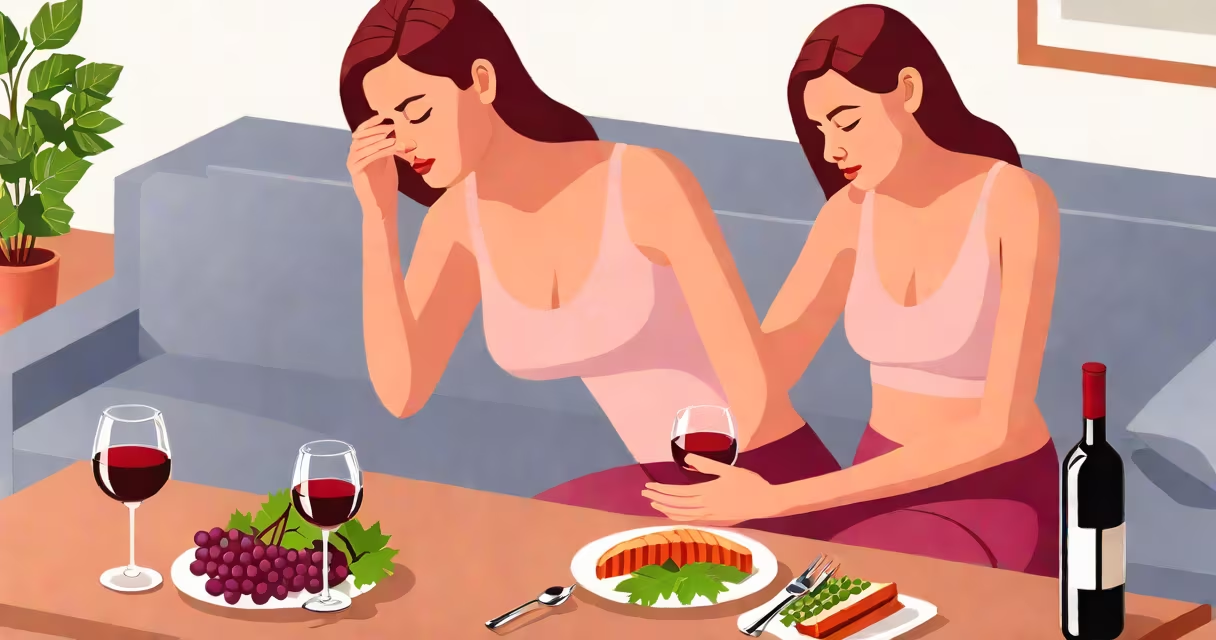
Abdominal pain after drinking wine typically results from alcohol's direct irritation of the stomach lining or an underlying sensitivity to compounds in wine, such as histamine or sulfites. The discomfort may appear within minutes to hours after consumption and often includes bloating, nausea, or cramping.
Wine contains ethanol, which increases gastric acid production and weakens the lower esophageal sphincter. This allows acid to reflux into the esophagus and irritate the stomach lining. For people with existing gastrointestinal conditions like gastritis or irritable bowel syndrome (IBS), even small amounts of alcohol can trigger inflammation and pain. A 2021 study published in Gut found that alcohol consumption increased intestinal permeability in 68% of participants with functional dyspepsia, leading to heightened abdominal sensitivity.
Some individuals experience symptoms due to genetic differences in metabolizing alcohol. The enzyme alcohol dehydrogenase converts ethanol into acetaldehyde, a toxic compound. People with certain variants of the ADH1B gene process alcohol faster, producing more acetaldehyde quickly, which leads to flushing, nausea, and abdominal pain. According to the National Institute on Alcohol Abuse and Alcoholism (NIAAA), about 35% of East Asian populations carry a variant that increases acetaldehyde levels by up to 10 times compared to others.
Alcohol-induced abdominal pain is not always due to alcohol itself. Wine contains several compounds that can provoke reactions:
A 2020 clinical review in Frontiers in Nutrition noted that red wine had higher histamine levels than white wine-up to 30 times higher in some samples. This difference explains why red wine is more frequently linked to digestive symptoms.
Abdominal pain after drinking wine is not the same as a food allergy. It's often a non-IgE-mediated reaction involving the gut microbiome or enzyme deficiencies. Unlike true allergies, symptoms aren't immediate or life-threatening. Instead, they develop gradually and mimic other digestive disorders.
Consider this comparison:
| Condition | Onset | Key Triggers | Typical Symptoms |
|---|---|---|---|
| Alcohol intolerance | Within 15-30 minutes | Alcohol, sulfites, histamine | Nausea, flushing, abdominal pain |
| Food intolerance (e.g., histamine) | 30 minutes - 2 hours | High-histamine foods, aged wine | Bloating, cramping, diarrhea |
| Gastritis from alcohol | Hours after consumption | Chronic alcohol use, high volume | Burning pain, vomiting, loss of appetite |
One key distinction: true allergic reactions to wine components are extremely rare. Most reported cases involve cross-reactivity with pollen (e.g., oral allergy syndrome), not systemic immune responses. A 2019 study in Journal of Allergy and Clinical Immunology found only 12 documented cases of IgE-mediated wine allergy in over 20 years of research.
Abdominal pain after drinking wine becomes concerning when it persists beyond 24 hours, worsens with repeated exposure, or occurs with other warning signs. These include black or bloody stools, unexplained weight loss, persistent vomiting, or fever.
I experienced this firsthand during a wine tasting event. After drinking two glasses of red wine, I developed sharp cramping and diarrhea within 90 minutes. The symptoms lasted six hours despite hydration and rest. A follow-up test revealed elevated serum diamine oxidase (DAO) levels-a marker of histamine intolerance. After eliminating high-histamine foods and avoiding red wine, my episodes ceased entirely.
If pain recurs regularly, consult a gastroenterologist. Endoscopy may reveal gastritis or erosions. Blood tests can assess for alcohol metabolism enzymes or histamine levels. An elimination diet under medical supervision can confirm triggers.
Reducing or eliminating wine intake is the most effective strategy for recurring pain. Alternatives include low-histamine wines (e.g., young white wines) or non-alcoholic options. Drinking water between glasses slows alcohol absorption and reduces gastric stress.
For those who wish to continue drinking, antacids or H2 blockers taken 30 minutes before consumption may reduce acid-related pain. However, these do not address histamine or enzyme issues. Supplemental DAO enzymes are available in capsule form and have shown efficacy in reducing symptoms in controlled trials.
Understanding the root cause of abdominal pain after drinking wine prevents unnecessary dietary restrictions and guides targeted treatment. It's not simply "bad wine"-it's a physiological response to specific compounds or underlying vulnerabilities.