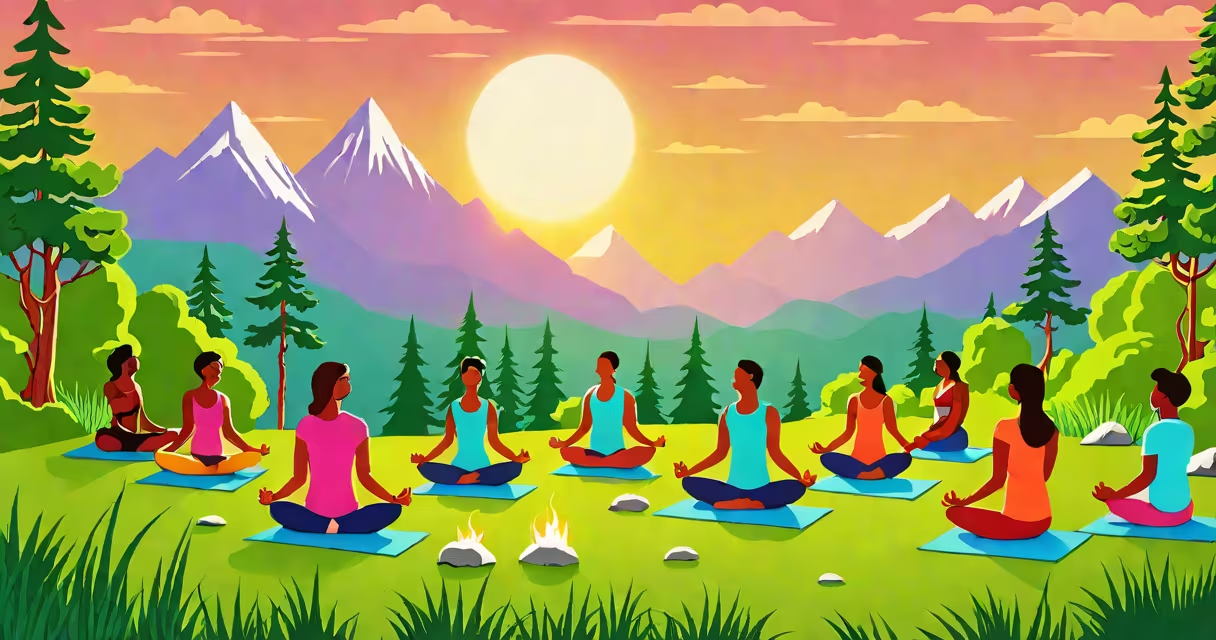
Energy healing retreats are immersive programs that integrate mindfulness, breathwork, and hands-on or distant energy techniques to restore balance to the body's energetic systems. These events typically last three to seven days and occur in tranquil natural settings such as forests, mountains, or coastal areas.
Participants engage in daily sessions focused on releasing emotional blockages, reducing stress, and enhancing mental focus. Techniques may include Reiki, chakra balancing, sound baths using tuning forks or singing bowls, and somatic awareness exercises. Retreats often include group circles, private consultations, and time for journaling or silent reflection.
Unlike medical treatments, energy healing retreats do not diagnose or treat illness. Instead, they aim to support well-being through intentional energy modulation. The goal is not symptom removal but increased personal alignment and inner calm.
These retreats operate on the principle that physical and emotional health are influenced by subtle energy fields surrounding and flowing through the body. Practitioners believe disruptions in this energy-caused by trauma, chronic stress, or environmental factors-can manifest as fatigue, anxiety, or persistent discomfort.
During a session, a trained facilitator uses touch-based methods (like Reiki) or non-contact techniques (such as intention-based energy transfer) to clear stagnant energy. For example, a practitioner might place their hands over a participant's shoulders while focusing on releasing tension held in the upper back-a common site of stored stress.
Research from the National Center for Complementary and Integrative Health (NCCIH) confirms that regular mindfulness and breath-focused practices reduce cortisol levels by up to 25% in controlled trials. While direct evidence on energy healing is limited, the physiological effects of associated activities-such as reduced heart rate and improved sleep quality-are measurable and documented.
Retreats vary in structure, intensity, and focus. The most common formats include:
| Type | Focus | Duration | Example Location |
|---|---|---|---|
| Reiki-centered | Hands-on energy transmission, chakra alignment | 3-5 days | Big Sur, California |
| Mindfulness & breathwork | Controlled breathing, meditation, body scans | 4-7 days | Asheville, North Carolina |
| Sound and vibration | Singing bowls, gongs, toning | 2-4 days | San Miguel de Allende, Mexico |
| Integrated wellness | Combines energy work with nutrition, movement, and therapy | 5-7 days | Maui, Hawaii |
Some retreats emphasize silence, limiting conversation to deepen internal awareness. Others prioritize community connection through shared rituals. The choice depends on individual goals-whether seeking solitude, emotional release, or social reconnection.
Most energy healing retreats take place in remote, low-stimulation environments. A 2023 survey by the Global Wellness Institute found that 68% of attendees chose locations with minimal internet access to reduce mental clutter and improve presence during sessions.
Common motivations include burnout recovery, grief processing, and preparation for life transitions. One participant reported significant reduction in panic episodes after attending a six-day sound bath retreat in Sedona, Arizona. She noted that the consistent use of harmonic frequencies helped regulate her nervous system over time.
These experiences are not replacements for clinical care. People with diagnosed mental health conditions should consult a licensed provider before relying solely on retreats. However, many report lasting improvements in sleep, mood stability, and decision-making clarity after participating.
Energy healing retreats are not medical procedures. They do not cure diseases, replace medication, or provide diagnostic results. Claims suggesting they can "heal cancer" or "reverse chronic pain" lack scientific validation and contradict guidelines from the U.S. Food and Drug Administration (FDA).
A common misconception is that energy healing requires belief in metaphysical concepts. While some practices draw from Eastern traditions, participation does not require religious adherence. A 2021 study published in *Frontiers in Psychology* showed that individuals who approached sessions with skepticism still experienced measurable reductions in perceived stress compared to control groups.
Another misunderstanding involves the role of the practitioner. Energy healers are not doctors. They are trained in specific modalities-such as Usui Reiki or polarity therapy-but do not hold medical licenses. Certification from organizations like the International Association of Reiki Professionals (IARP) verifies training standards, but not clinical outcomes.
I attended a five-day energy healing retreat in northern Vermont in October 2022. The schedule included morning breathwork, afternoon Reiki sessions, and evening group sharing. On day three, I experienced a sudden wave of emotion during a sound bath-crying uncontrollably while listening to a Tibetan bowl. The facilitator did not intervene. Instead, she said, "Let it move through." Afterward, I felt lighter, though I couldn't explain why.
That moment was not unique. Several others reported similar releases. Not all were dramatic. Some described quiet shifts-better sleep, clearer thinking, renewed motivation. None claimed permanent fixes. But all agreed the experience created space for deeper self-awareness.
Attendees should verify a retreat's credentials. Look for certifications from recognized bodies such as the NCCIH or the American Council for Accredited Certification (ACAC). Avoid programs promising instant results or requiring large upfront payments.
Travel logistics matter. High-altitude or remote locations may affect those with respiratory issues. Always disclose health concerns to organizers in advance. Some retreats offer virtual options, which allow participation without travel but limit tactile elements like hand placement.
Costs vary widely. Basic packages start at $600 for weekend stays. Premium retreats with private rooms, gourmet plant-based meals, and multiple daily sessions can exceed $3,000. Most include lodging, meals, and all activities. Travel, insurance, and personal expenses are separate.