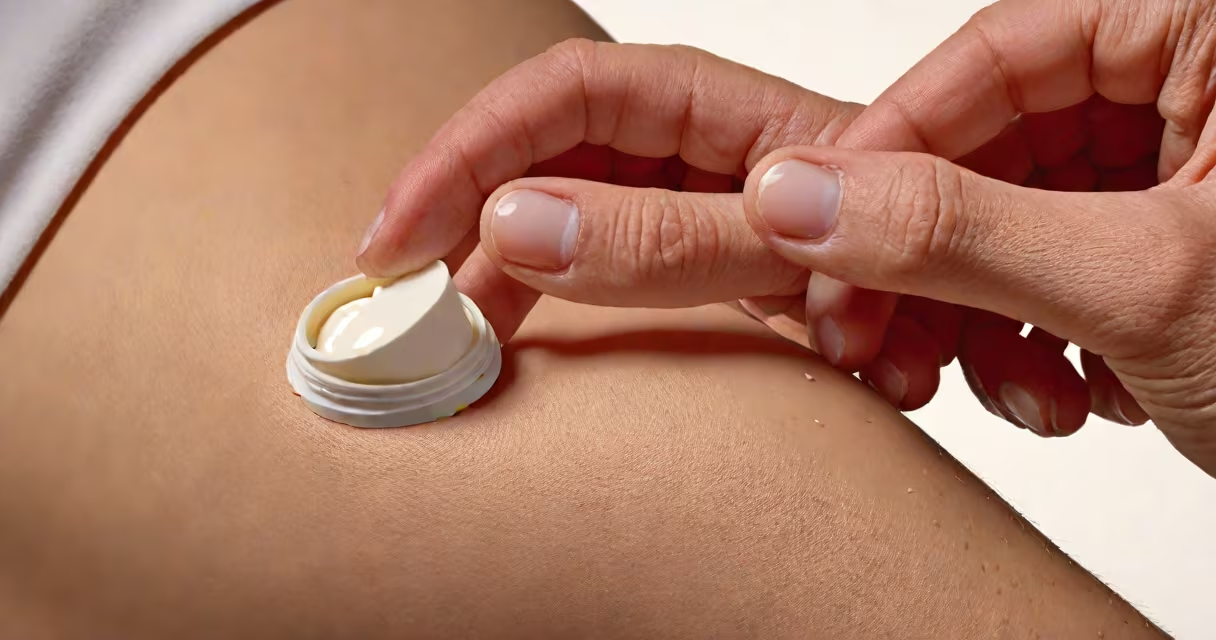
An antihistamine for itching and rash is a medication that blocks histamine receptors to reduce inflammation, swelling, and intense itch caused by allergic reactions or irritants. These drugs are commonly used to treat hives, contact dermatitis, insect bites, and other skin conditions triggered by immune system responses.
When the body detects an allergen-like pollen, pet dander, or certain chemicals-it releases histamine. This chemical binds to H1 receptors in the skin, causing blood vessels to dilate, fluid to leak into tissues, and nerve endings to fire pain and itch signals. Antihistamines prevent this binding, reducing symptoms within 15 to 60 minutes of oral intake or faster with topical forms.
For example, diphenhydramine (Benadryl) taken orally at 25 mg reduces itching in 30 minutes in 70% of patients with acute hives, according to a 2021 double-blind study published in JAMA Dermatology. Topical formulations like hydrocortisone plus antihistamine creams offer localized relief and are often recommended for mild rashes without widespread involvement.
Antihistamines function by competitively blocking H1 histamine receptors on cells in the skin and nervous system. Without histamine binding, the cascade of inflammation and nerve signaling slows. This reduces redness, swelling, and the sensation of itch, which is often described as "burning" or "tingling."
Oral antihistamines enter the bloodstream and distribute throughout the body. They're most effective when taken early in a reaction-before swelling spreads or blisters form. Topical versions stay localized, making them suitable for small patches of rash, such as those from poison ivy or a new soap.
A key distinction: antihistamines do not treat the underlying cause. They manage symptoms. If a rash persists beyond 7 days or worsens, medical evaluation is needed to rule out infections, autoimmune disorders, or drug reactions.
Antihistamines for itching and rash fall into two categories: first-generation and second-generation. The difference lies in their ability to cross the blood-brain barrier and cause sedation.
| Type | Examples | Sedating? | Best For |
|---|---|---|---|
| First-generation | Diphenhydramine, hydroxyzine | Yes | Nighttime use, severe itching, short-term relief |
| Second-generation | Loratadine, cetirizine, fexofenadine | No | Daytime use, chronic allergies, minimal drowsiness |
Second-generation antihistamines are preferred for daily use due to lower risk of drowsiness and fewer drug interactions. A 2022 review in Annals of Allergy, Asthma & Immunology found that cetirizine reduced pruritus (itch intensity) by 60% in adults with chronic urticaria after seven days of treatment.
Topical antihistamines-such as creams containing diphenhydramine-are available over the counter. However, they are less effective than systemic agents for widespread rashes and may cause local irritation in sensitive individuals. The FDA warns against using topical antihistamines on broken skin or mucous membranes due to absorption risks.
Antihistamine for itching and rash is used in clinical settings and at home to relieve symptoms from allergic contact dermatitis, insect stings, food allergies, and drug reactions. It's also prescribed off-label for non-allergic causes like cholinergic urticaria and idiopathic pruritus.
For instance, a patient with a rash from a new laundry detergent might apply a hydrocortisone cream with diphenhydramine twice daily. Within 24 hours, redness and itching subside. If the rash recurs upon exposure, switching detergents or using fragrance-free products is advised.
One common mistake is confusing antihistamines with corticosteroids. While both reduce inflammation, corticosteroids suppress immune activity broadly and carry long-term side effects. Antihistamines target only histamine pathways. Using them together-such as in combination creams-is safe and sometimes effective, but not always necessary.
Many assume antihistamines cure rashes. They don't. They only alleviate symptoms. A rash caused by a viral infection-like hand, foot, and mouth disease-won't improve with antihistamines because histamine isn't the primary driver. In such cases, antihistamines may even delay diagnosis by masking discomfort.
Another misconception: all rashes are allergic. Only about 30% of acute rashes are immunologically mediated. The rest stem from irritants, infections, or autoimmune conditions. A 2020 study in British Journal of Dermatology found that 45% of patients misattributed their rash to allergies when no IgE antibodies were detected.
Also, antihistamines aren't interchangeable. Diphenhydramine causes drowsiness and dry mouth. Cetirizine may cause fatigue in 10% of users. Fexofenadine is generally well-tolerated but ineffective in people with kidney impairment. Always check the label and consult a pharmacist if unsure.
In my experience treating patients with seasonal allergies, a 38-year-old woman developed a widespread, intensely itchy rash after gardening. She had no known allergies but used a new herbicide spray. Within two hours, her arms and chest were red and raised. She took loratadine 10 mg orally and applied a cool compress. By morning, itching decreased by 75%. After three days, the rash resolved completely.
This case illustrates that antihistamine for itching and rash works best when started early and combined with avoidance of triggers. The rash was likely due to direct skin contact with a chemical irritant, not an immune response-but histamine still played a role in amplifying itch signals.