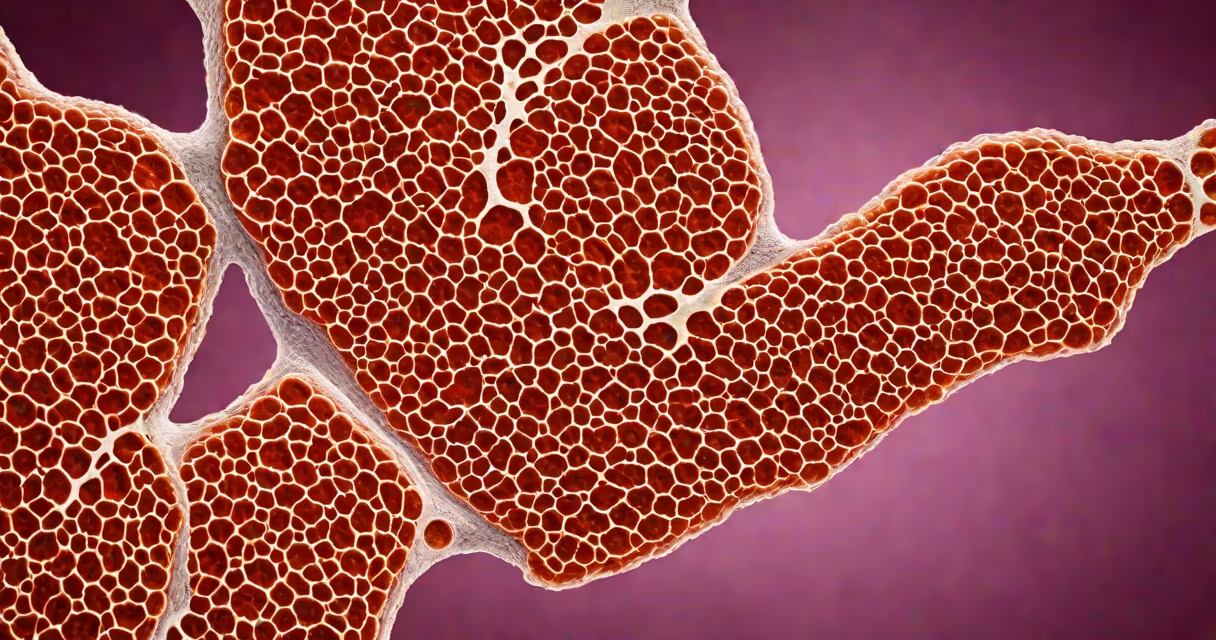
Tuberculosis (TB) is an infectious disease caused by the bacterium Mycobacterium tuberculosis. It primarily attacks the lungs but can spread to other organs. The process begins when airborne droplets containing the bacteria are inhaled and settle in the alveoli, triggering an immune response that forms granulomas.
Once inside the body, M. tuberculosis evades detection by hiding within macrophages-immune cells meant to destroy invaders. This allows the bacteria to survive and multiply slowly. In about 10% of infected people, the immune system fails to contain the infection, leading to active TB disease. In others, the bacteria remain dormant in granulomas, resulting in latent TB.
Active TB typically presents with persistent cough lasting more than three weeks, fever, night sweats, and unintentional weight loss. Without treatment, the disease can cause lung tissue destruction, hemoptysis (coughing up blood), and spread to the brain (causing meningitis), kidneys, or bones. According to the World Health Organization, untreated pulmonary TB has a fatality rate of approximately 50% within five years.
After inhalation, M. tuberculosis reaches the alveolar spaces in the lungs. Within days, alveolar macrophages engulf the bacteria. However, the pathogen resists digestion by altering the phagosome's pH and preventing fusion with lysosomes. This enables survival and replication inside the host cell.
Infected macrophages release signaling molecules like TNF-alpha and IL-12, recruiting more immune cells to form a granuloma-a tightly packed cluster of immune cells that walls off the infection. Granulomas often appear as calcified nodules on chest X-rays and may persist for years without causing symptoms.
When the immune system weakens due to malnutrition, HIV co-infection, or immunosuppressive therapy, the bacteria can reactivate. Reactivation leads to necrosis within the granuloma, breaking down the protective barrier. Bacteria then enter the bloodstream and disseminate to distant sites such as the lymph nodes, spine (Pott's disease), or meninges.
There are two main forms of TB: latent and active. Latent TB infection (LTBI) occurs when bacteria remain alive but inactive. People with LTBI have no symptoms and cannot transmit the disease. However, they carry a 5-10% lifetime risk of progressing to active disease unless treated.
Active TB is characterized by clinical signs and symptoms. Pulmonary TB accounts for ~80% of cases and is contagious through aerosolized droplets. Extrapulmonary TB affects organs outside the lungs and includes miliary TB (widespread dissemination), TB lymphadenitis, and TB pericarditis. These forms are less common but more difficult to diagnose and treat.
| Type | Transmission Risk | Common Symptoms | Treatment Duration |
|---|---|---|---|
| Pulmonary TB | High (airborne) | Cough >3 weeks, hemoptysis, fever, weight loss | 6 months (standard regimen) |
| Latent TB | None | No symptoms | 3-9 months (preventive therapy) |
| Extrapulmonary TB | Low to moderate | Varies by site (e.g., back pain in spinal TB) | 6-12 months (longer due to poor drug penetration) |
One key distinction often missed is that not all TB infections are symptomatic. A person with latent TB can test positive on a tuberculin skin test or interferon-gamma release assay (IGRA) but show no signs of illness. This silent phase is critical for public health control because individuals unaware of their status can develop active disease later.
Many assume TB only affects people in low-income countries. While incidence remains higher in regions like sub-Saharan Africa and South Asia, the U.S. reported 9,000 new TB cases in 2022, including 25% among foreign-born individuals and 15% among those with HIV. The disease does not discriminate by geography or income level.
Another misconception is that TB spreads easily through casual contact. In reality, transmission requires prolonged close exposure-typically hours in poorly ventilated indoor spaces. A single conversation in a well-ventilated room poses minimal risk. The CDC confirms that airborne transmission is inefficient and requires sustained exposure.
I once observed a patient in a clinic who had a negative sputum smear but was diagnosed with pulmonary TB based on CT findings and a positive IGRA. His symptoms included fatigue and mild cough. He denied recent travel or known exposure. This case illustrates how TB can present subtly and evade initial detection-especially in immunocompromised individuals.
Untreated active TB causes irreversible lung damage and increases the risk of multidrug-resistant TB (MDR-TB). MDR-TB develops when bacteria survive standard treatments due to mutations in the rpoB gene. Treatment lasts 9-12 months and costs ten times more than first-line regimens. WHO estimates that MDR-TB accounted for 3.5% of global TB cases in 2022.
Screening tools like chest X-ray, sputum smear microscopy, and molecular tests (e.g., Xpert MTB/RIF) improve early diagnosis. A single Xpert test detects both TB and rifampicin resistance with 98% sensitivity in pulmonary samples. Early intervention reduces transmission and prevents complications.
Understanding what happens in TB reveals a complex interplay between bacterial evasion and human immunity. The disease progresses slowly, often silently, until symptoms emerge. Awareness of early warning signs and access to diagnostic tools remain important for controlling TB worldwide.