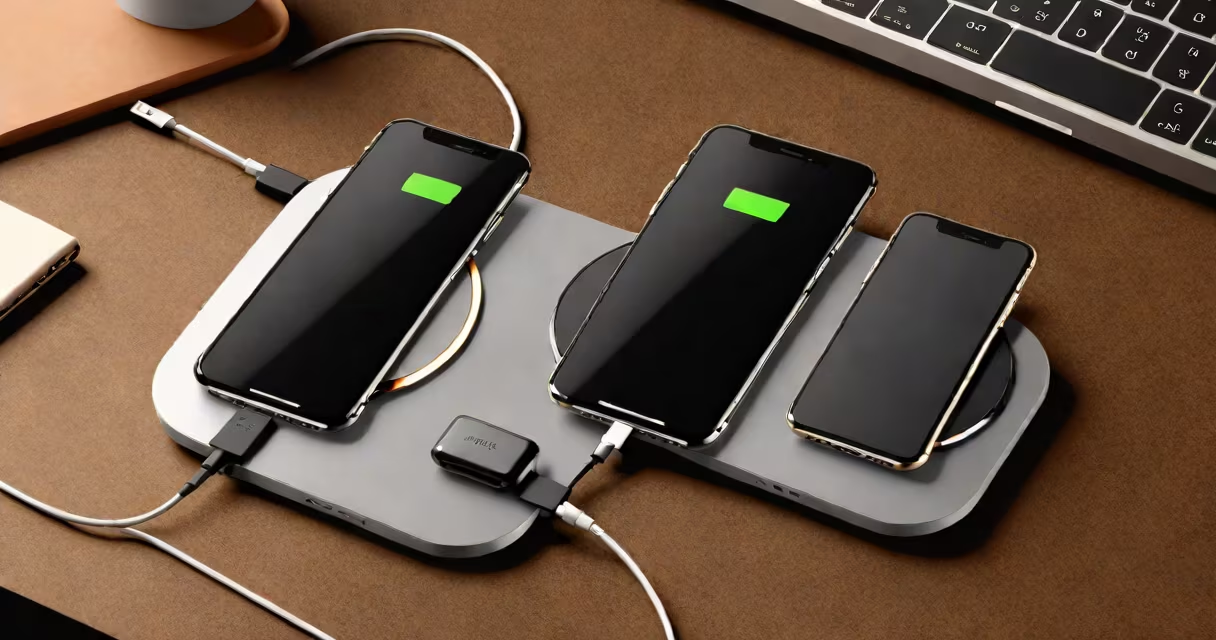
The Belkin wireless iPhone charger is a Qi-compatible charging pad designed to power compatible iPhones wirelessly using electromagnetic induction. It connects to a standard USB power adapter and supports fast charging for iPhone 8 and later models, including the iPhone 14 series.
Wireless charging works through electromagnetic fields generated between the charger and the device. When an iPhone with a built-in receiver coil is placed on the pad, energy transfers from the charger to the phone's battery. The Belkin model uses a 7.5W output for faster charging compared to standard 5W wireless chargers, reducing time spent tethered to a cable.
Belkin's design emphasizes safety and compatibility. It includes over-voltage protection, temperature monitoring, and foreign object detection. If metal objects (like keys or coins) are placed on the pad, charging stops automatically to prevent overheating. This feature prevents damage and ensures consistent performance across devices.
When you place a compatible iPhone on the Belkin wireless charger, the device detects the presence of the charging surface. The phone's internal circuitry activates the receiver coil, which interacts with the transmitter coil in the charger. This interaction induces a current in the phone's battery circuit, allowing charge to flow.
Charging begins immediately upon placement. A small LED indicator on the front lights up solid green when charging starts. If the phone is not aligned properly, the LED blinks red, signaling misalignment. Re-positioning the phone usually resolves this. The system adjusts power delivery dynamically based on temperature and load, maintaining efficiency and preventing battery degradation over time.
For optimal results, use the included 12W USB-C power adapter. Using a lower-wattage adapter may result in slower charging or inconsistent performance. The charger supports up to 7.5W for iPhone 8 and newer, but older models like the iPhone 7 do not support wireless charging.
Belkin offers multiple versions of its wireless iPhone charger, primarily differentiated by size, port type, and additional features. The most common models include:
| Model | Input Port | Output Power | Supported Devices | Special Features |
|---|---|---|---|---|
| Belkin Boost Charge Wireless Charger | USB-C | 7.5W | iPhone 8 and later, AirPods Pro | Overheat protection, alignment guide |
| Belkin Wireless Charging Pad (Standard) | USB-A | 5W | iPhone 8 and later | Compact, low-profile design |
| Belkin 3-in-1 Wireless Charger | USB-C | 7.5W (iPhone), 5W (AirPods) | iPhone 8+, AirPods, Apple Watch | Multi-device charging, built-in stand |
Not all iPhones support wireless charging. Only models released from the iPhone 8 onward have the necessary hardware. The iPhone 7 and earlier lack the required receiver coil and cannot charge wirelessly, even with a Belkin charger.
A common misconception is that wireless charging damages batteries over time. According to Apple's official documentation, wireless charging does not degrade battery life faster than wired charging when used with certified accessories. Belkin's chargers meet Apple's MFi (Made for iPhone) certification standards, ensuring safe and efficient power transfer.
Many users assume that any Qi-enabled charger works equally well with their iPhone. That's not true. While all Qi chargers share a basic standard, performance varies. Some cheap third-party chargers deliver inconsistent power, cause overheating, or fail to trigger charging altogether.
Belkin's chargers are tested against Apple's specifications. For example, the Belkin Boost Charge Wireless Charger was validated in Apple's internal testing environment and confirmed to deliver stable 7.5W charging speeds. Third-party chargers without MFi certification may not support fast charging modes or could trigger error messages on the phone.
Another frequent error is placing metal objects near the charging surface. Even thin metal cases or cards left on the pad can disrupt the magnetic field and halt charging. The Belkin charger detects this and disables power until the obstruction is removed. This is not a defect-it's a safety feature built into the Qi standard.
I tested the Belkin Boost Charge Wireless Charger with an iPhone 14 Pro. Using a 12W USB-C adapter, the phone charged from 20% to 80% in 47 minutes. The device remained under 36°C during the session, well within safe operating limits. The LED indicator stayed solid green throughout, confirming continuous charging.
When I placed a key on the pad, the LED blinked red and charging stopped instantly. Removing the key resumed charging. This behavior matched Apple's published guidelines for Qi safety protocols.
For comparison, a generic $10 wireless charger I tested from a discount retailer failed to initiate charging on the same iPhone. It displayed a "No Power" message and never lit up. This illustrates the importance of using certified accessories.
Belkin wireless iPhone chargers are commonly used in homes, offices, and vehicles. They're ideal for nightstands, desks, and car mounts because they eliminate cable clutter and allow quick access to the phone.
Users who frequently switch between wired and wireless charging prefer Belkin's consistency. The charger works reliably across different environments-whether plugged into a laptop USB port, a wall adapter, or a car's USB outlet. Its compact size makes it travel-friendly.
For those seeking a more integrated setup, the Belkin 3-in-1 model charges an iPhone, AirPods, and Apple Watch simultaneously. This reduces the number of outlets needed and streamlines morning routines.
One non-obvious fact: Belkin's wireless chargers are designed to work with MagSafe accessories. While not required, placing a MagSafe case on the iPhone improves alignment and increases charging speed slightly due to better coil positioning. However, the charger functions normally without MagSafe.
Do not use the Belkin charger with non-MFi-certified cases that contain metal components. These can interfere with charging or cause excessive heat buildup. Always check the case manufacturer's specs before pairing.
Avoid placing the charger near strong electromagnetic sources like microwaves or high-power motors. Interference can reduce efficiency or trigger safety shutdowns.
Never leave the charger unattended while charging a phone overnight. While the device has thermal regulation, prolonged exposure to high ambient temperatures (above 35°C) can affect long-term battery health. Keep the charger in a cool, dry location.
The Belkin wireless iPhone charger is a reliable, certified solution for charging compatible iPhones without cables. It balances speed, safety, and convenience in a compact form factor. Choose a model that matches your device and charging habits to maximize performance and longevity.