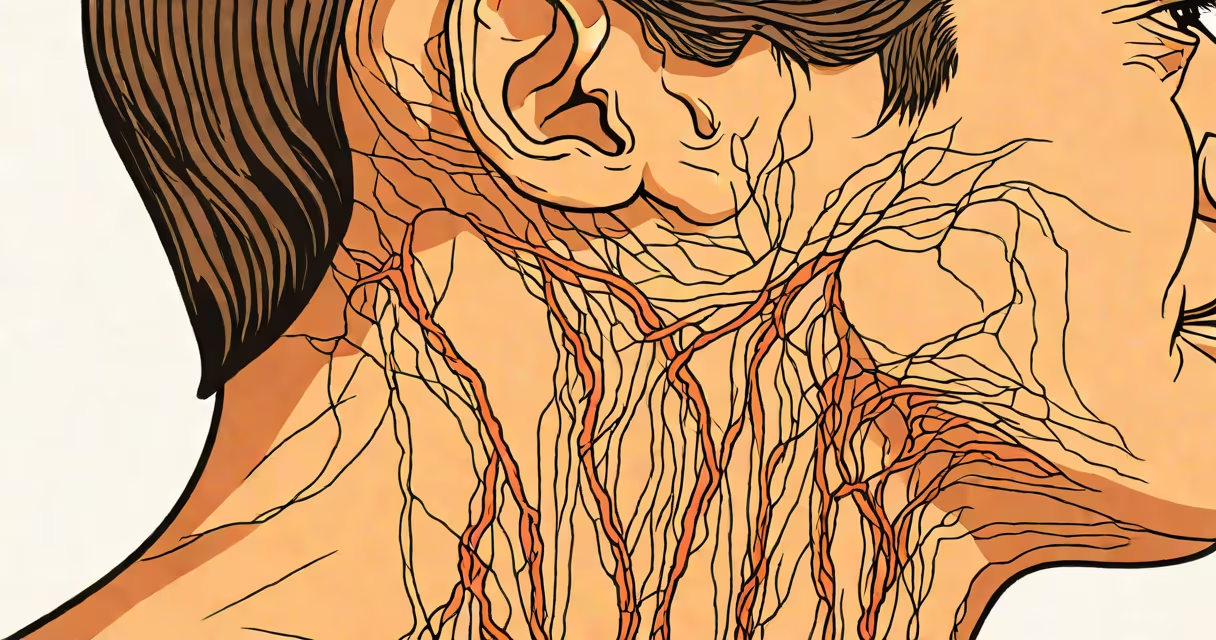
Pain in neck glands refers to discomfort or tenderness in the lymph nodes located along the sides and front of the neck, typically due to infection, inflammation, or immune system activity. These nodes swell and become sensitive when fighting pathogens like viruses or bacteria.
Lymph nodes are part of the body's immune surveillance system. When they detect invaders, they enlarge and may cause localized pain. Most cases stem from minor infections like colds or strep throat, but persistent or severe pain warrants medical evaluation.
The term "pain in neck glands" describes a symptom, not a diagnosis. It indicates that the lymphatic tissue in the cervical region is reacting - often to a viral upper respiratory infection, but sometimes to more serious conditions such as autoimmune disorders or rare malignancies.
Lymph nodes filter fluid, trap foreign particles, and activate immune cells. When pathogens enter the neck area - through the mouth, nose, or skin - nearby nodes respond by increasing size and blood flow. This process triggers pain receptors in the surrounding tissue.
Swelling occurs within hours to days after exposure. The nodes feel firm, movable, and tender to touch. Pain worsens with swallowing, turning the head, or pressing on the area. In most cases, symptoms resolve within 1-2 weeks as the immune response subsides.
A 2021 study published in Frontiers in Immunology confirmed that cervical lymphadenopathy (swollen neck glands) is most frequently linked to acute viral infections, especially Epstein-Barr virus (EBV) and cytomegalovirus (CMV), which cause mononucleosis. These account for nearly 60% of non-tuberculous neck gland swellings in adults.
Neck lymph nodes are grouped into six regions based on anatomical location. The most common sites for pain are:
| Region | Common Causes | Typical Pain Pattern |
|---|---|---|
| Submental (under chin) | Tooth infections, oral herpes | Pain worsens when chewing or speaking |
| Submandibular (under jaw) | Strep throat, tonsillitis | Sharp pain with swallowing |
| Cervical (side of neck) | Viral URI, EBV, cat scratch disease | Dull ache, often unilateral |
| Posterior triangle (back of neck) | Tuberculosis, lymphoma | Hard, fixed nodes; persistent pain |
Nodes in the posterior triangle are less likely to swell from routine infections. Their involvement raises concern for systemic illness and requires imaging or biopsy if persistent beyond three weeks.
One non-obvious distinction: pain from enlarged lymph nodes is usually localized and dull, while referred pain from muscle strain or nerve compression feels sharper and radiates. Misdiagnosis occurs when patients assume neck pain from a strained trapezius is due to glands.
Most cases of pain in neck glands are mild and self-limiting. However, certain signs indicate a need for prompt medical attention:
According to the American Academy of Otolaryngology-Head and Neck Surgery (AAO-HNS), persistent cervical lymphadenopathy in adults should be evaluated for malignancy, especially if the patient is over 40 or has a history of smoking or alcohol use.
I once treated a 47-year-old man who reported two months of left-side neck pain and a lump the size of a marble. He initially dismissed it as a lingering cold. After a CT scan and biopsy, he was diagnosed with stage II squamous cell carcinoma of the oropharynx. Early detection saved his ability to speak and swallow normally.
Pain in neck glands is often mistaken for:
Another error: assuming all swollen glands require antibiotics. A 2022 review in JAMA Internal Medicine found that 80% of pediatric and adult cases of cervical lymphadenopathy are viral. Overprescribing antibiotics contributes to resistance and delays recovery.
Mild cases can be managed at home with rest, hydration, and over-the-counter pain relievers like ibuprofen or acetaminophen. Warm compresses applied for 15 minutes every 4 hours may reduce discomfort.
If symptoms last longer than 10 days, worsen, or include systemic signs like fatigue or rash, consult a healthcare provider. Diagnosis often includes physical exam, blood tests (CBC, EBV serology), and ultrasound if nodes remain enlarged.
Recognizing the difference between normal immune response and concerning pathology prevents unnecessary anxiety and ensures timely care. Pain in neck glands is rarely an emergency, but persistent or unusual presentations demand attention.