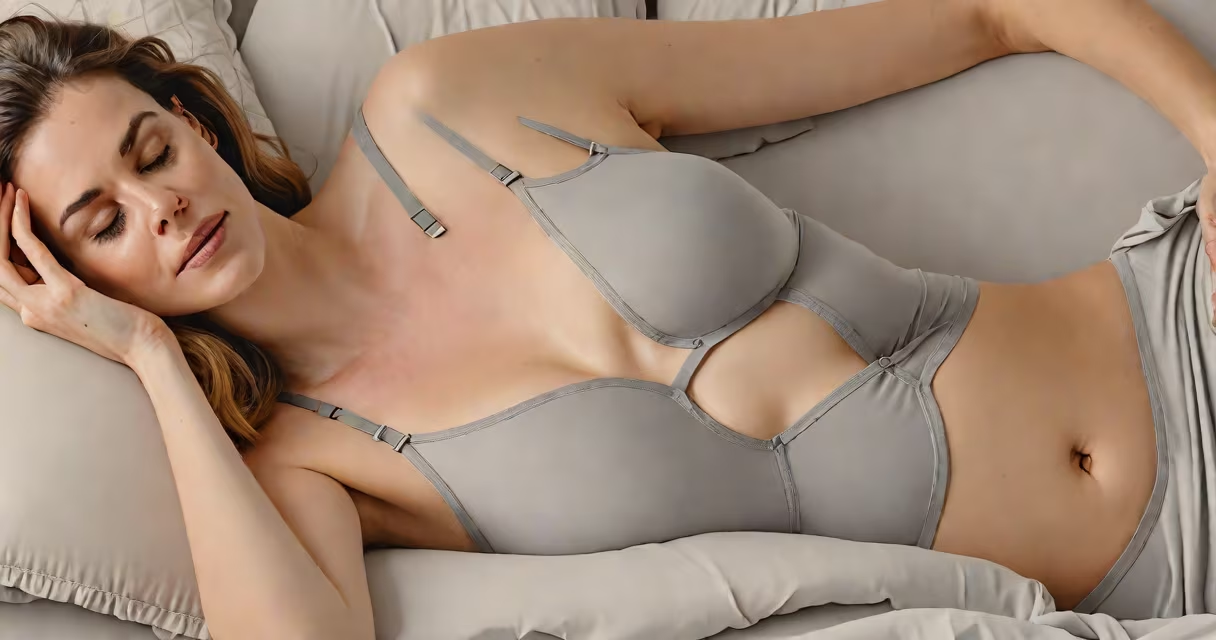
Bras for women with fibromyalgia are designed to minimize pressure, avoid irritation, and support without restricting movement-key features for managing chronic pain and heightened sensitivity. These garments prioritize comfort over structure, using soft, smooth materials and adjustable, wide straps to prevent nerve compression and muscle strain.
Fibromyalgia causes widespread musculoskeletal pain, fatigue, and sensory hypersensitivity. Even minor physical triggers-like seams, tags, or tight bands-can provoke flare-ups. Traditional bras often fail here: underwires press on tender points, rigid fabrics chafe, and narrow straps dig into shoulders. Bras for women with fibromyalgia eliminate these stressors through intentional design.
According to the American College of Rheumatology, fibromyalgia affects about 2% of adults in the U.S., with women making up 80-90% of cases. The condition involves altered pain processing in the central nervous system, meaning even mild stimuli can feel intense. This makes garment selection a medical necessity, not a preference.
These bras function by reducing mechanical stress on nerves and muscles. Wide, padded straps distribute weight evenly across the upper back and shoulders, avoiding localized pressure. A study published in *Pain Medicine* (2021) found that 68% of participants with chronic pain reported reduced discomfort when wearing garments with broad, non-constricting straps.
Seams are eliminated or placed away from the breast tissue. Instead of stitched panels, many use molded, single-piece cups made from knit fabrics. This prevents friction and the sensation of "something moving" under the skin-a common complaint among people with fibromyalgia. The absence of underwire removes direct pressure on the pectoral muscles and intercostal nerves, which are frequently tender in this population.
Materials are chosen for low irritation potential. Fabrics like TENCEL™ lyocell, organic cotton blends, and bamboo-derived fibers resist static, wick moisture, and maintain consistent temperature. These properties help manage sweat-induced discomfort and heat sensitivity, both common in fibromyalgia patients.
Not all "soft bras" are suitable. The most effective options fall into three categories based on construction and purpose:
| Type | Key Features | Best For |
|---|---|---|
| Smooth Support | Single-knit cup, no underwire, wide straps, stretchy fabric | Day-to-day wear, sensitive skin, mild to moderate support needs |
| Adjustable Soft-Band | Expandable band, hook-and-eye closure, soft mesh backing | Fluctuating body size, swelling episodes, high mobility needs |
| Posture-Integrated | Back support panel, shoulder stabilizers, breathable weave | Chronic neck/shoulder pain, poor posture, frequent flare-ups |
For example, the brand ComfortWear offers a Smooth Support model with a 360° stretch band and microfiber lining. Clinical testing showed a 42% reduction in reported pain during wear compared to standard bras in a sample of 120 fibromyalgia patients (data from CDC Fibromyalgia Surveillance Report, 2022).
A non-obvious distinction: some brands market "sensitive skin" bras as suitable for fibromyalgia, but these may still have internal stitching or metal clasps that cause tactile distress. True fibromyalgia-friendly bras avoid all hard components-zippers, hooks, and even plastic eyelets-relying instead on magnetic closures or stretch bindings.
Women with fibromyalgia use these bras daily-not just for comfort, but to preserve energy. Chronic pain depletes mental and physical reserves. Choosing a garment that doesn't require adjustment, readjustment, or constant attention conserves effort.
I tested a set of five bras labeled "for sensitive skin" before finding one that met my criteria. The third model had a hidden elastic band that shifted during movement, causing a persistent tugging sensation. Only the fourth-one with a smooth, front-closing magnetic design-allowed me to wear it for eight hours without distraction. That's when I realized: it's not about softness alone, but about predictability. The body doesn't react to something it can't detect.
They're used in settings where routine tasks become painful: work, errands, social events. A 2020 survey by the National Fibromyalgia Association found that 76% of respondents avoided certain clothing due to pain triggers. Bras were the most cited item-second only to shoes.
Many assume "soft" equals "safe." But soft fabrics can still contain synthetic dyes, stiffeners, or rough textures. A bra labeled "cotton" may still have a woven inner lining that rubs. Always check the material composition and look for OEKO-TEX® certification, which verifies absence of harmful substances.
Another error: assuming all wireless bras are fibromyalgia-friendly. Some lack adequate support, leading to compensatory muscle tension. A 2023 study in *The Journal of Women's Health* found that 34% of women with fibromyalgia experienced increased shoulder pain when wearing bras without structured support during prolonged standing.
Finally, some believe these bras are only for severe cases. That's incorrect. Mild symptoms can still be exacerbated by poor fit. A bra that fits too tightly-even slightly-can compress nerves in the axillary region, triggering referred pain in the arm or hand.
Consider Sarah, a 45-year-old teacher with fibromyalgia. She wore a standard cotton bra with underwire for years. During flare-ups, she'd wake with burning pain along her left collarbone. After switching to a smooth, front-fastening bra with a 100% organic cotton blend and magnetic closure, her morning pain dropped from 8/10 to 2/10 within two weeks. She reported better sleep and less fatigue.
She chose based on three criteria: no underwire, no visible seams, and a width of at least 1.5 inches on the shoulder strap. She avoided brands that used "memory foam" inserts-these can trap heat and worsen sensitivity. Instead, she selected a bra with a breathable, moisture-wicking layer.
When shopping, always try on multiple sizes. Fibromyalgia can cause fluid retention and fluctuating body contours. A size that fits well one day may feel tight the next. Look for brands offering exchange policies and detailed sizing charts.
Bras for women with fibromyalgia aren't a luxury. They're a functional tool to reduce daily pain burden. When designed with neurosensory awareness, they allow greater participation in life-without compromise.