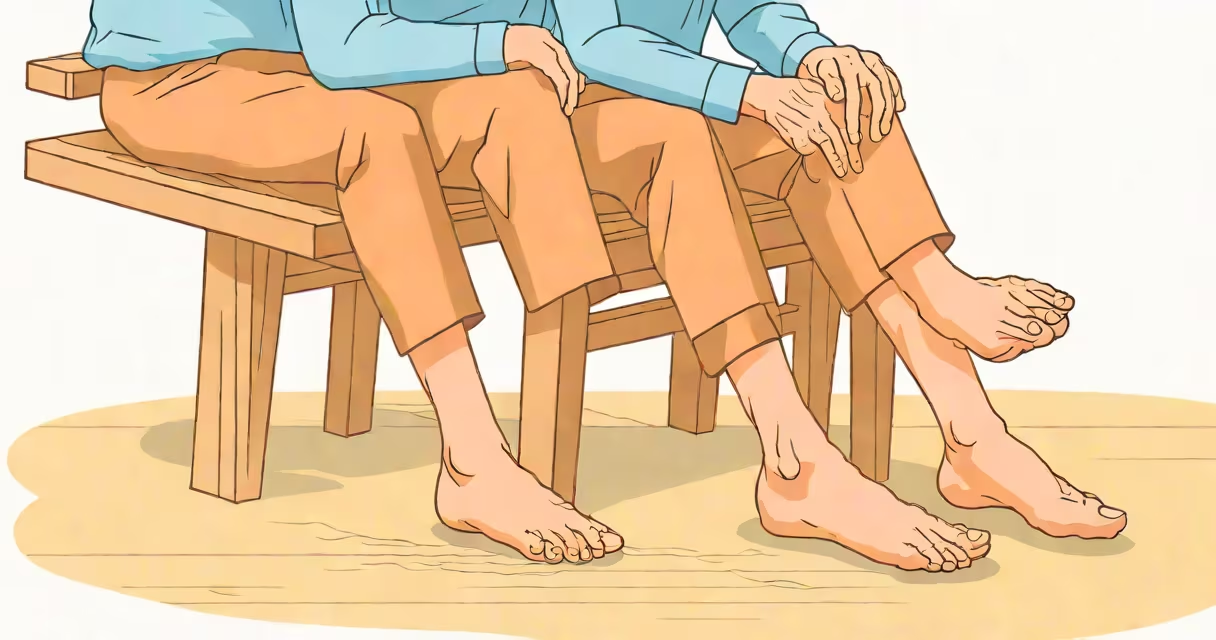
Painful legs in old age refer to persistent or recurring discomfort in the lower limbs experienced by people over 65, typically due to underlying medical conditions such as poor circulation, nerve damage, or muscle deterioration. The sensation may range from dull aching to sharp shooting pain and often worsens during walking or at rest.
As people age, changes in blood vessels, nerves, and muscles reduce the body's ability to maintain healthy leg function. This leads to symptoms like heaviness, cramping, tingling, or burning sensations. These issues are not normal parts of aging but indicate treatable health concerns that require medical evaluation.
Common causes include peripheral artery disease (PAD), which reduces blood flow to the legs; diabetic neuropathy, which damages nerves in those with long-term diabetes; and restless leg syndrome, which causes uncomfortable urges to move the legs. Muscle weakness from sarcopenia and joint stiffness from osteoarthritis also contribute.
Reduced blood flow is a primary driver. When arteries narrow due to plaque buildup, tissues in the legs receive less oxygen-rich blood. This results in ischemic pain-sharp, cramping discomfort that occurs during activity and eases with rest. This pattern is known as intermittent claudication and affects about 1 in 20 adults over 65, according to the American Heart Association.
Nerve damage, especially from chronic conditions like poorly controlled diabetes, disrupts signals between the brain and limbs. This can cause abnormal sensations such as burning, numbness, or electric-like shocks. The National Institute of Neurological Disorders and Stroke reports that nearly half of people with diabetes develop some form of neuropathy over time.
Muscle loss accelerates after age 50. By age 75, average muscle mass declines by 30-40% compared to peak levels. This weakens support structures around joints and increases strain on tendons and ligaments, leading to pain during movement or prolonged standing.
Several distinct conditions underlie painful legs in old age. Identifying the root cause guides appropriate care.
| Type | Key Features | Prevalence in Adults Over 65 | Common Treatment |
|---|---|---|---|
| Peripheral Artery Disease (PAD) | Leg pain during walking, cold feet, slow-healing sores | 10-20% | Medications, supervised exercise, sometimes stenting |
| Diabetic Neuropathy | Burning pain, numbness, foot ulcers | Up to 50% in diabetics | Blood sugar control, gabapentin, foot care |
| Restless Leg Syndrome (RLS) | Uncomfortable leg sensations at night, urge to move | 5-10% | Iron supplementation, dopamine agonists |
| Sarcopenia & Joint Degeneration | Stiffness, weakness, pain with weight-bearing | Very common | Resistance training, physical therapy, NSAIDs |
One key distinction often missed is that leg pain from PAD rarely improves with stretching or massage-it's caused by lack of oxygen, not tension. In contrast, muscle cramps from dehydration or electrolyte imbalance respond quickly to hydration and potassium intake. Misdiagnosing PAD as "just stiff legs" delays critical treatment.
Many assume that leg pain in older adults is simply part of getting older. That belief leads to delayed diagnosis. The truth is, while some minor discomfort may occur, persistent or worsening pain should never be ignored. Up to 30% of PAD cases go undiagnosed because patients dismiss symptoms as normal aging.
Another misconception is that over-the-counter painkillers fix the problem. While NSAIDs like ibuprofen may ease temporary soreness, they don't address the root issue. In fact, long-term use increases risk of kidney damage and gastrointestinal bleeding-especially in people taking blood thinners or managing heart disease.
I've seen patients take daily aspirin for "leg stiffness," only to discover they had advanced PAD. One man, 78, walked only 100 feet before needing to stop. After a Doppler ultrasound confirmed blocked femoral arteries, he underwent angioplasty and regained mobility within weeks. His pain wasn't "normal"-it was treatable.
Red flags include pain that wakes you at night, cold or pale legs, sores that won't heal, or sudden weakness. These suggest serious vascular or neurological issues requiring prompt attention.
Doctors typically begin with a physical exam and ankle-brachial index (ABI) test-a non-invasive measurement comparing blood pressure in the ankle to the arm. A ratio below 0.9 indicates significant arterial narrowing. If suspected, imaging like CT angiography confirms blockages.
For nerve-related pain, EMG/NCS testing evaluates nerve conduction speed. Blood tests check glucose levels and vitamin B12, both linked to neuropathy. Early detection prevents complications like foot ulcers or amputation.
Treatment focuses on addressing the underlying condition. For PAD, supervised walking programs improve walking distance by 50% over six months, per a 2021 study published in Circulation. Medications like cilostazol reduce claudication episodes by 30-40%.
Neuropathic pain responds well to medications like pregabalin or duloxetine. A 2020 review in JAMA Neurology found these drugs reduced pain intensity by 50% in 60% of patients after eight weeks.
Exercise remains central. Even low-intensity walking three times a week improves circulation and strengthens muscles. Resistance training twice weekly increases strength and balance, reducing fall risk.
Simple lifestyle steps matter: quitting smoking, managing blood sugar, staying hydrated, and wearing compression stockings if advised. Avoiding prolonged sitting or standing prevents pooling of blood in the legs.
While complete elimination of pain isn't always possible, meaningful improvement is achievable. One patient, 82, reported walking 30 minutes without stopping after three months of structured exercise and medication. Her goal wasn't to run a marathon-but to walk her granddaughter to school unassisted.