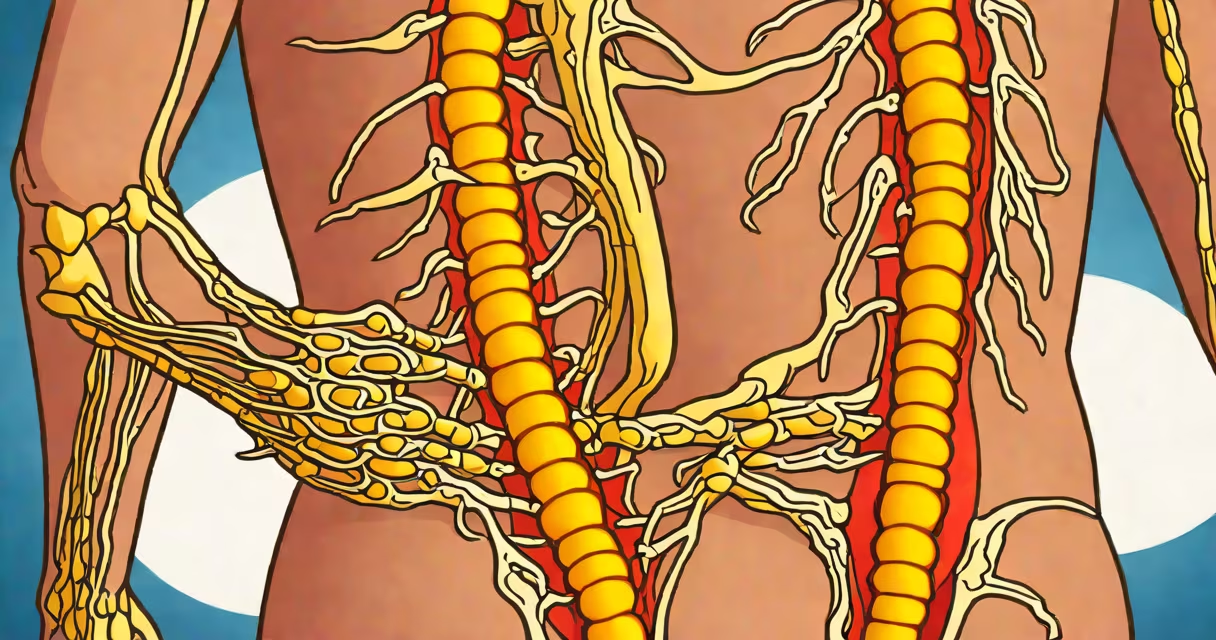
Yes, cancer can cause lower back pain, particularly when tumors spread to the spine or originate in spinal tissues. This pain often develops gradually, worsens at night or with rest, and may not improve with movement or posture changes.
Back pain is a common symptom in advanced cancer, especially when malignancies metastasize to bone. The spine, particularly the lumbar vertebrae, is a frequent site for secondary tumors due to rich blood supply and high metabolic activity. When cancer invades the vertebral bodies or compresses nerve roots, it triggers persistent, localized pain that may radiate to the legs.
According to the National Cancer Institute, approximately 30% of patients with advanced solid tumors develop bone metastases, with the spine being the most common location. Pain from spinal metastases typically starts as dull and aching, progressing to sharp or burning sensations as nerves become compressed. Unlike mechanical back pain, cancer-related back pain often persists through rest and may be accompanied by neurological symptoms such as numbness or weakness.
Cancer causes lower back pain through direct invasion, compression, or disruption of spinal structures. Primary spinal tumors are rare, but cancers from other organs-especially breast, prostate, lung, and kidney-commonly metastasize to the spine. These tumors erode bone, weaken vertebral integrity, and press on spinal nerves or the spinal cord.
When a tumor grows within a vertebra, it reduces structural support. As the bone collapses, it can pinch nerves exiting the spinal column, leading to radicular pain that travels down the leg. This differs from typical sciatica, which stems from disc herniation, because cancer-related pain rarely improves with position changes and often worsens at night.
A 2021 study published in JAMA Oncology found that 60% of patients with spinal metastases reported back pain as their initial symptom. The pain was described as constant, severe, and unrelieved by over-the-counter medications. In 25% of cases, neurological deficits such as foot drop or bowel dysfunction developed before diagnosis, underscoring the urgency of early evaluation.
Not all cancers cause back pain equally. The likelihood depends on the primary tumor type, its propensity to metastasize to bone, and the patient's health. The following cancers are most frequently associated with spinal involvement:
| Cancer Type | Metastasis Rate to Spine | Pain Pattern |
|---|---|---|
| Breast cancer | ~30% | Dull, progressive; often bilateral |
| Prostate cancer | ~40% | Deep ache; may mimic arthritis |
| Lung cancer | ~25% | Sharp, stabbing; often unilateral |
| Kidney cancer | ~15% | Flank pain radiating to back; may involve L1-L2 |
Prostate cancer is especially likely to affect the lumbar spine due to hormonal influences on bone metabolism. Breast cancer tends to spread to the thoracic and lumbar regions, sometimes causing spinal instability. Lung cancer metastases are often found in the upper and middle thoracic spine but can extend downward.
Primary spinal tumors-such as chordomas, meningiomas, and sarcomas-are less common but still significant. Chordomas, arising from remnants of the embryonic notochord, occur in the sacrum or base of the skull and can grow slowly, causing back pain that progresses over months.
Back pain lasting more than four weeks, especially with red flags, warrants immediate investigation. Red flags include new-onset pain in someone over 50, unexplained weight loss, night pain, history of cancer, or neurological deficits like leg weakness or bladder control issues.
I once evaluated a 58-year-old man with persistent lower back pain that worsened at night and didn't improve with ibuprofen. He had no history of injury or strain. MRI revealed a 3.5 cm mass compressing the L4-L5 nerve root. Biopsy confirmed metastatic adenocarcinoma from an undetected colon primary. His pain resolved after radiation therapy and systemic treatment.
According to the American College of Radiology, imaging should be considered when back pain fails to respond to conservative care or presents with any red flag. MRI is the gold standard for detecting spinal tumors, offering superior soft-tissue contrast compared to CT or X-ray.
Many assume back pain is always musculoskeletal. However, cancer-related pain is often misdiagnosed as degenerative disc disease or facet joint syndrome. A key distinction lies in symptom timing: mechanical back pain usually improves with movement and worsens with prolonged sitting or standing. Cancer pain tends to persist regardless of position and may worsen at night.
Another misconception is that back pain from cancer always indicates widespread disease. Some patients present with isolated spinal metastases, especially those with well-differentiated tumors. Early detection allows for targeted treatment, including surgery, radiation, or stereotactic radiosurgery, which can preserve function and reduce pain.
Spinal tumors are not the same as spinal stenosis or herniated discs. While both can cause nerve compression, cancer-related compression involves tissue destruction and systemic disease. A single episode of back pain does not mean cancer-but persistent, unexplained pain requires evaluation.
Yes, cancer can cause lower back pain, particularly when tumors spread to the spine or originate in spinal tissues. This pain is often persistent, worse at night, and unresponsive to rest or over-the-counter treatments. Early recognition of red flags and timely imaging-especially MRI-is critical for diagnosis and intervention. If back pain lasts beyond four weeks or includes neurological symptoms, consult a healthcare provider promptly.