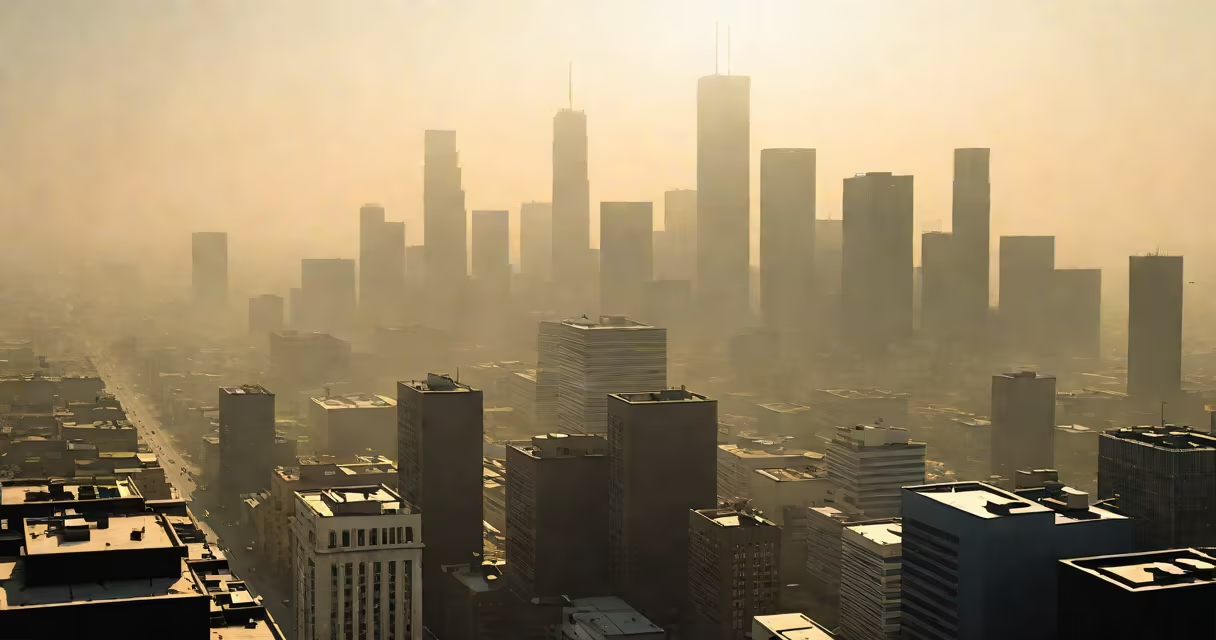
causes effects of air pollution refer to the origins of airborne contaminants and their resulting impacts on human health, ecosystems, and climate systems. Industrial activity, transportation, fossil fuel combustion, and residential heating release pollutants like nitrogen oxides, sulfur dioxide, particulate matter, and volatile organic compounds. These substances degrade air quality and trigger respiratory conditions, cardiovascular disease, and global warming.
Major contributors to air pollution include power plants burning coal and oil, diesel engines in trucks and buses, construction sites, and household stoves using wood or kerosene. In cities like Delhi, Beijing, and Los Angeles, high concentrations of PM2.5-fine particles under 2.5 micrometers-have led to emergency health alerts during winter months. The World Health Organization (WHO) identifies outdoor air pollution as responsible for 4.2 million premature deaths annually, primarily due to stroke, heart disease, and lung cancer.
Indoor air pollution accounts for nearly 3.8 million deaths each year, especially in low-income regions where cooking with solid fuels occurs in poorly ventilated homes. A 2021 study published in The Lancet Planetary Health linked long-term exposure to PM2.5 with cognitive decline in older adults, showing a 15% higher risk of dementia among those living in highly polluted areas.
Air pollution begins when emissions enter the atmosphere and undergo chemical reactions. Nitrogen oxides (NOx) from vehicles react with sunlight to form ground-level ozone, a key component of smog. Sulfur dioxide (SO₂) from coal-fired power plants combines with water vapor to create acid rain, which damages forests and corrodes buildings.
Particulate matter (PM) exists in two forms: PM10 (particles up to 10 micrometers) and PM2.5. PM2.5 penetrates deep into the lungs and bloodstream, causing systemic inflammation. These particles originate from both direct emissions-such as exhaust fumes-and secondary formation, where gases like ammonia and sulfur dioxide convert into fine particles in the air.
Wind patterns and temperature inversions trap pollutants near the surface. During inversion events, cold air sits beneath warmer air, preventing vertical mixing. This phenomenon trapped deadly smog in London in 1952, killing over 12,000 people in four days-a historical benchmark for urban air quality policy.
Each pollutant has distinct origins and mechanisms of harm. The table below outlines major pollutants, their primary sources, and associated health outcomes.
| Pollutant | Primary Sources | Health & Environmental Effects |
|---|---|---|
| PM2.5 | Vehicle exhaust, power plants, wildfires | Reduced lung function, increased asthma attacks, higher mortality rates |
| NOx (Nitrogen Oxides) | Diesel engines, industrial processes | Respiratory irritation, contributes to ozone formation |
| SO₂ (Sulfur Dioxide) | Coal combustion, metal refining | Worsens COPD, causes acid rain, damages vegetation |
| Ozone (O₃) | Sunlight reacting with NOx and VOCs | Eye and throat irritation, reduced lung capacity |
| VOCs (Volatile Organic Compounds) | Paints, solvents, gasoline vapors | Headaches, dizziness, long-term cancer risk |
One non-obvious fact: some VOCs, such as formaldehyde, are released continuously from new furniture and building materials. Indoor levels can exceed outdoor concentrations by up to five times, making homes a significant exposure site-even in rural areas.
People often assume that air pollution is only a problem in large cities. While urban centers face higher concentrations, rural areas experience elevated levels due to agricultural burning, wood stoves, and regional transport of pollutants. For example, smoke from prescribed burns in California drifts across state lines, affecting air quality in Nevada and Oregon.
Another misconception is that air purifiers eliminate all indoor pollutants. High-efficiency filters (HEPA) capture PM2.5 but do not remove gaseous pollutants like carbon monoxide or radon. A 2020 EPA report found that 1 in 15 U.S. homes have unsafe radon levels, which pose a greater lung cancer risk than indoor air pollution for many families.
Some believe that natural sources like volcanoes dominate global emissions. While volcanoes emit sulfur dioxide and ash, anthropogenic sources produce 100 times more SO₂ annually. Human activities account for 90% of global nitrogen oxide emissions, according to the Global Carbon Atlas.
In November 2019, Delhi's air quality index (AQI) reached 999-well above the hazardous threshold of 300. The Indian government declared a public health emergency, closing schools and restricting vehicle use. Data from the Central Pollution Control Board showed PM2.5 levels peaked at 660 µg/m³, compared to WHO's safe limit of 5 µg/m³.
Medical records from Apollo Hospitals revealed a 40% spike in pediatric asthma admissions during the week of peak pollution. Emergency departments reported a 25% increase in heart attack cases among elderly patients. The crisis prompted the Supreme Court to mandate stricter enforcement of emission standards and a ban on crop residue burning in Punjab and Haryana.
After implementing temporary measures-like banning construction and increasing public transit-the AQI dropped to 250 within 10 days. However, long-term solutions remain limited. Annual monitoring shows that Delhi's average PM2.5 concentration remains over 100 µg/m³, more than 20 times the WHO guideline.
Chronic exposure to air pollution leads to irreversible damage. Long-term effects include reduced lung development in children, accelerated aging of the cardiovascular system, and increased incidence of neurodegenerative diseases. A 2022 study in Nature Communications estimated that air pollution shortens global life expectancy by 2.2 years on average.
Environmental impacts extend beyond human health. Acid rain lowers soil pH, leaching nutrients and harming crops. Ozone damages plant stomata, reducing photosynthesis and crop yields. In India, wheat production declined by 6% between 2005 and 2015 due to ozone exposure, according to research from the Indian Institute of Tropical Meteorology.
Climate change amplifies air pollution effects. Higher temperatures increase ground-level ozone formation and prolong wildfire seasons. Wildfires in the western United States released over 100 million tons of CO₂ in 2020, while also emitting PM2.5 that affected air quality across North America.
Effective mitigation requires coordinated action. The Clean Air Act in the U.S. reduced lead emissions by 90% between 1970 and 2020. China's "Blue Sky" campaign cut PM2.5 levels in Beijing by 40% from 2013 to 2020 through strict industrial controls and electric vehicle incentives.