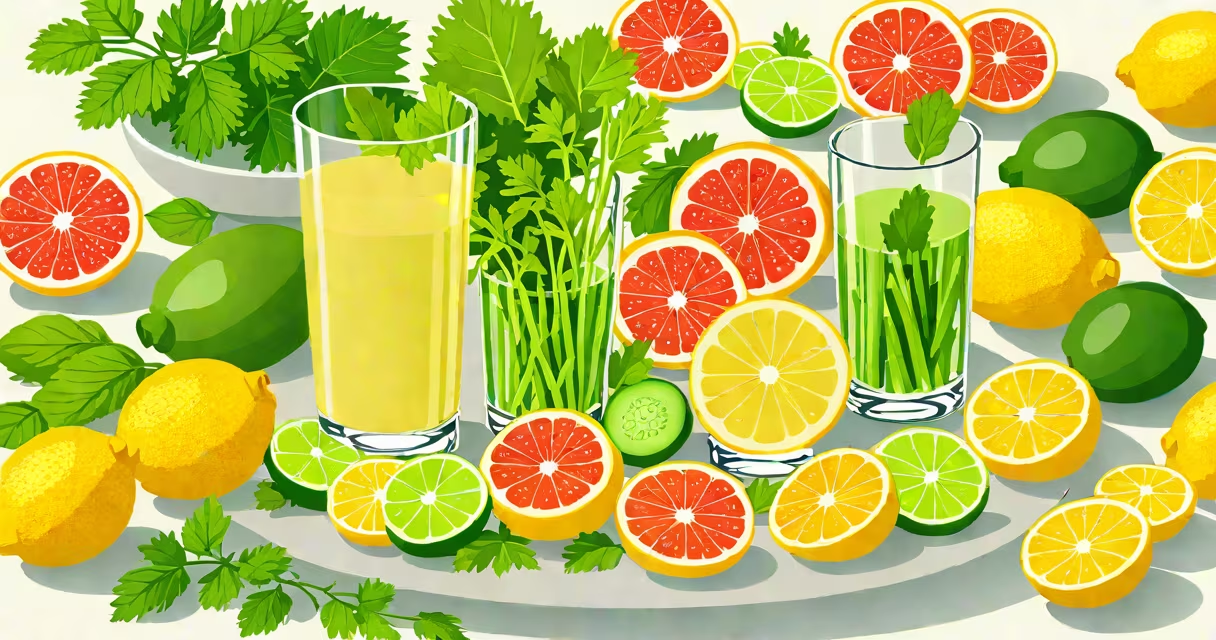
A 7 day liver cleanse is a short-term dietary regimen focused on reducing intake of processed foods, alcohol, and added sugars while increasing consumption of whole plant-based foods, hydration, and specific detox-supportive ingredients like lemon, garlic, and cruciferous vegetables. The goal is to reduce metabolic load on the liver and promote its natural detoxification pathways.
The liver processes toxins, metabolizes drugs, and regulates blood sugar. During a 7 day liver cleanse, participants typically eliminate alcohol, caffeine, red meat, dairy, refined carbohydrates, and artificial additives. They replace these with water, herbal teas, vegetable juices, leafy greens, fruits rich in antioxidants, and fiber-dense legumes. This shift aims to reduce oxidative stress and improve bile flow.
According to the American Liver Foundation, the liver performs detoxification continuously and does not require external cleansing to "reset." However, certain dietary patterns may support its ongoing functions. A 2021 review in Frontiers in Nutrition found that diets high in cruciferous vegetables, berries, and healthy fats correlate with improved liver enzyme levels and reduced risk of fatty liver disease.
The premise rests on the idea that reducing dietary stress allows the liver to operate more efficiently. By minimizing processed inputs, the body may redirect energy toward cellular repair and antioxidant production. This aligns with known physiological responses: lowering fat and sugar intake reduces hepatic fat accumulation, which is linked to non-alcoholic fatty liver disease (NAFLD).
For example, a typical day during a 7 day liver cleanse includes: 3 liters of water, green tea, a breakfast of chia pudding with blueberries and flaxseed, a lunch of kale salad with lemon-tahini dressing and chickpeas, and a dinner of steamed broccoli, sweet potato, and grilled salmon. Snacks include apple slices with almond butter and carrot sticks with hummus.
These choices are backed by research. A 2020 study published in Journal of Hepatology showed that individuals consuming 5 servings of vegetables daily had lower ALT (alanine aminotransferase) levels-a marker of liver damage-compared to those eating fewer than 2 servings.
Most 7 day liver cleanse plans emphasize whole, minimally processed foods. Key categories include:
Some plans include supplements like milk thistle (silymarin), N-acetylcysteine (NAC), or alpha-lipoic acid. While these have shown promise in animal models and small human trials, they are not required and should not replace medical treatment for liver disease.
| Food Group | Examples | Supporting Evidence |
|---|---|---|
| Fruits | Grapefruit, lemon, blueberries | Blueberries reduce oxidative stress in rat livers (study in Food & Function, 2019) |
| Vegetables | Broccoli, kale, garlic | Cruciferous veggies boost glutathione synthesis (NIH study, 2021) |
| Hydration | Water, dandelion tea | Dandelion root extract improved liver enzyme markers in a 2018 double-blind trial |
People adopt a 7 day liver cleanse seeking weight loss, clearer skin, increased energy, or relief from bloating. Some report feeling lighter after completing the cycle. These outcomes often stem from reduced sodium, added sugar, and processed fat-not from "detoxifying" the liver.
One major misconception is that the liver needs a "reset" or "cleanse" to function. The liver operates 24/7 and filters blood continuously. It does not accumulate toxins in the way popular media suggests. There is no scientific evidence that a 7-day protocol removes stored toxins or improves liver function beyond what long-term healthy eating achieves.
A non-obvious distinction: a 7 day liver cleanse is not a medical treatment. It cannot reverse cirrhosis, hepatitis, or NAFLD. The National Institute of Health states that lifestyle changes-including diet and exercise-are the most effective interventions for early-stage liver disease. A 2022 meta-analysis in BMJ Open found that sustained dietary improvements led to greater reductions in liver fat than short-term cleanses.
Many confuse a 7 day liver cleanse with a juice fast, a ketogenic diet, or a fasting-mimicking protocol. While overlapping in food choices, they differ in intent and duration. Juice fasts focus on liquid nutrition and can lead to nutrient deficiencies. Ketogenic diets restrict carbs to induce ketosis, which may worsen fatty liver in some cases. Fasting-mimicking diets are medically supervised and involve calorie restriction.
Another confusion is equating symptom relief with detoxification. Improved digestion or mental clarity after a cleanse may result from better sleep, reduced inflammation, or stabilized blood sugar-not from the liver "flushing out" toxins.
I once completed a 7 day liver cleanse during a period of chronic fatigue. My energy improved slightly, but my blood work showed no change in AST or ALT levels. The improvement likely came from eliminating late-night snacks and alcohol, not from any magical liver reset.
Consult a healthcare provider before starting any cleanse, especially if you have diabetes, kidney disease, or a history of eating disorders. Sudden dietary shifts can trigger hypoglycemia, electrolyte imbalances, or gallstone passage.
Some versions of the 7 day liver cleanse include grapefruit juice daily. While grapefruit contains beneficial flavonoids, it can interfere with medications metabolized by CYP3A4 enzymes-such as statins, blood pressure drugs, and some antidepressants. The FDA warns against combining grapefruit with over 85 prescription medications.
A 7 day liver cleanse is not a medical intervention. It may help some people adopt healthier habits, but it does not replace proven treatments for liver conditions. Sustainable benefits come from consistent dietary patterns, not short-term regimens.
For lasting liver health, prioritize whole foods, limit alcohol, maintain a healthy weight, and follow regular screening. The liver doesn't need a cleanse-it needs consistent care.