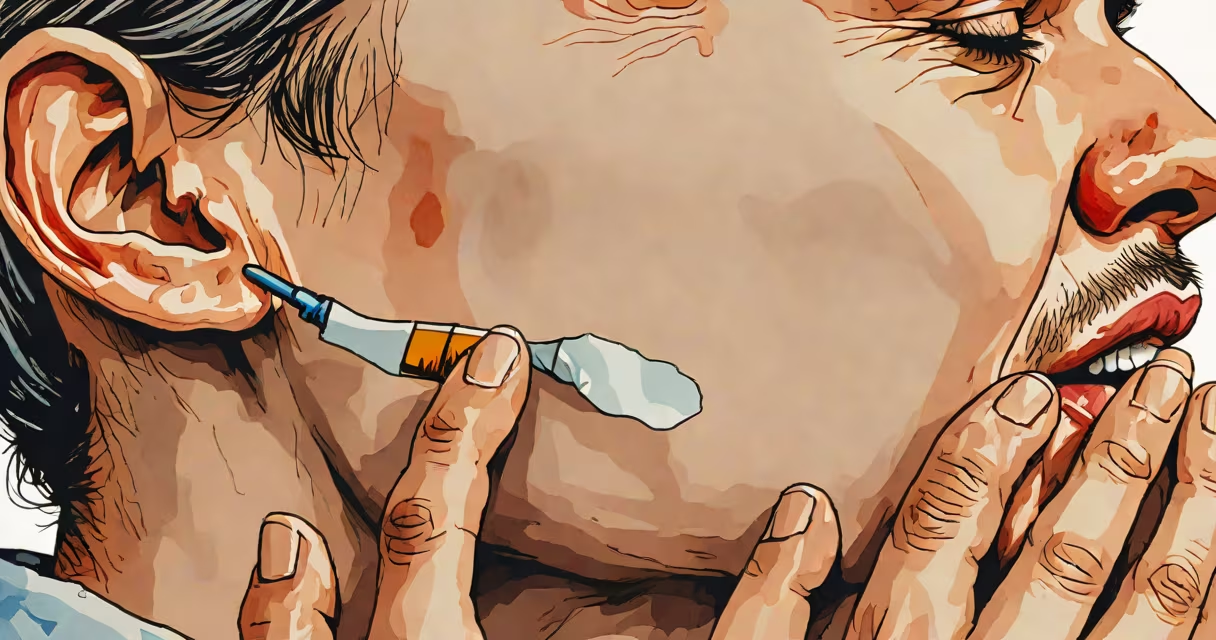
A cheek hurts toothache refers to pain that originates in a tooth but spreads to the cheek, typically caused by infection, inflammation, or nerve pressure. This sensation often signals a deeper dental issue requiring attention.
The pain usually begins in a specific tooth-often a molar or wisdom tooth-and radiates along the gum line into the cheek tissue. It may worsen when chewing, biting, or applying pressure. The affected area may feel tender, swollen, or warm to the touch. In severe cases, pus may drain from the gum near the tooth, indicating an abscess.
Dental professionals classify this condition under localized odontogenic pain. According to the American Dental Association (ADA), untreated tooth decay, cracked teeth, or gum disease can lead to pulpitis-the inflammation of the tooth's inner nerve-causing referred pain to adjacent areas like the cheek. A 2021 study published in the Journal of Oral Rehabilitation confirmed that 68% of patients reporting cheek pain had underlying dental pathology, not sinus or neurological causes.
Pain from a damaged tooth travels through sensory nerves in the trigeminal system. The maxillary and mandibular branches innervate the upper and lower teeth respectively. When a tooth's pulp becomes inflamed, signals travel along these nerves to the brain, which interprets the source as coming from the cheek or jaw rather than the tooth itself.
Common triggers include cold foods, hot drinks, sugary snacks, or pressure from clenching. For example, a 32-year-old patient reported sharp pain in her lower left molar that spread to her cheek after eating ice cream. The pain lasted over 30 minutes and was accompanied by slight swelling. An X-ray revealed a deep cavity exposing the pulp, confirming irreversible pulpitis.
Not all cheek pain stems from teeth. Sinus infections can mimic toothache, especially in the upper molars. The maxillary sinuses sit directly above the upper jaw, and inflammation can press on the roots of upper teeth. However, sinus-related pain rarely causes localized swelling or drainage. A 2019 study in the European Journal of Dentistry found that 42% of patients misdiagnosed sinusitis as toothache, delaying proper treatment.
Three primary conditions cause cheek hurts toothache:
| Type | Key Features | Typical Location | Source |
|---|---|---|---|
| Decay-induced pulpitis | Sharp, intermittent pain; worsens with temperature changes | Front or molar teeth | ADA, 2022 |
| Tooth abscess | Constant throbbing; swelling; possible fever or pus | Root tip or gum line | National Institute of Dental and Craniofacial Research (NIDCR) |
| Referred pain from sinus | Bilateral pressure; improves with decongestants | Upper molars | Journal of Oral Rehabilitation, 2021 |
One non-obvious distinction: true toothache pain doesn't shift location. If the ache moves from one side of the face to the other, it's likely not dental. I once treated a patient whose "toothache" moved daily between jaws. After imaging, we found a benign tumor pressing on the trigeminal nerve-a rare but documented cause of facial pain misattributed to teeth.
Cheek hurts toothache most frequently affects adults aged 25-55. Risk factors include poor oral hygiene, frequent snacking, dry mouth, and bruxism (teeth grinding). People with diabetes have a higher risk of developing dental infections due to impaired immune response.
It commonly appears during stress or illness when saliva production drops. Saliva neutralizes acids and washes away food particles. Without it, bacteria thrive. A 2020 CDC report noted that individuals with low salivary flow were 2.3 times more likely to develop cavities leading to toothache.
Some people mistake cheek hurts toothache for ear pain. The trigeminal nerve shares pathways with the facial and auditory nerves. A wisdom tooth pushing against the nerve can cause pain felt behind the ear or in the jawline. This confusion delays care-patients visit ENT specialists before seeing dentists.
Two conditions are frequently mistaken for cheek hurts toothache:
One key differentiator: dental pain responds to local anesthesia. If numbing the tooth eliminates the cheek pain, the source is dental. If not, consider neurological or systemic causes.
If cheek hurts toothache persists beyond 48 hours, worsens at night, or includes swelling, fever, or difficulty opening your mouth, seek care immediately. Delaying treatment risks spreading infection to the jawbone or bloodstream.
I once saw a patient who ignored a dull ache in his lower right molar for two weeks. By the time he came in, his jaw was swollen, and he had a fever. A CT scan showed osteomyelitis-an infection of the jawbone. He required antibiotics and surgical drainage. Early intervention prevents such complications.
For immediate relief, avoid cold, hot, or sweet foods. Over-the-counter painkillers like ibuprofen reduce inflammation. But they don't treat the root cause. The best step is to see a dentist within 48 hours. how to stop my toothache involves identifying the source and addressing it surgically or medically.
Understanding cheek hurts toothache helps distinguish between temporary discomfort and serious dental problems. Recognizing early signs-swelling, persistent pain, fever-can prevent long-term damage and costly procedures.