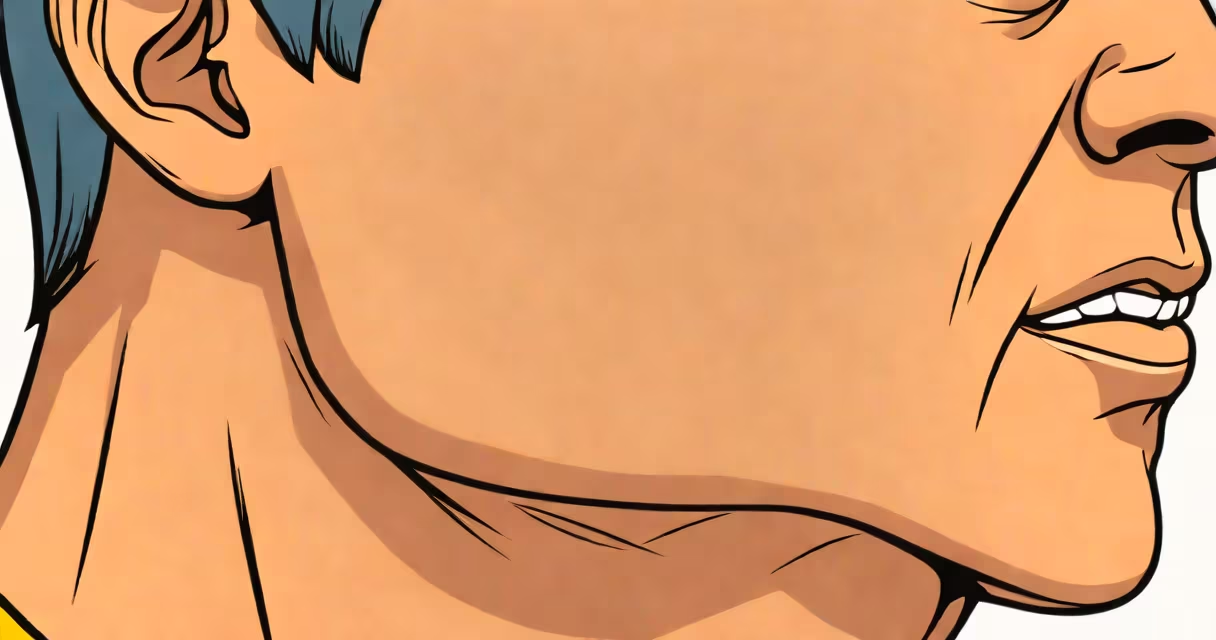
constantly clenching my jaw describes a habitual tightening of the jaw muscles, often without awareness, that can result in pain, tooth wear, and temporomandibular joint (TMJ) dysfunction. This behavior may occur during waking hours or while sleeping and is frequently tied to psychological stress, poor posture, or underlying dental misalignment.
The primary muscles involved are the masseter and temporalis-large, useful muscles designed for chewing. When they contract repeatedly or remain contracted for long periods, they generate significant pressure. The average human bite force ranges between 180 and 250 pounds per square inch, and sustained clenching can exceed this threshold, leading to tissue strain and inflammation.
According to the American Dental Association, about 10% of adults experience bruxism-the medical term for habitual jaw clenching or teeth grinding-often during sleep. The condition affects both men and women equally and tends to peak in individuals aged 20 to 40. Chronic clenching can cause enamel erosion, cracked teeth, and irreversible joint damage.
Jaw clenching begins as a subconscious response to mental or emotional stimuli. Stress activates the sympathetic nervous system, triggering muscle tension throughout the body-including the jaw. This reflex is evolutionarily rooted in preparation for fight-or-flight scenarios, though modern triggers like work deadlines or social anxiety can trigger it unnecessarily.
During sleep, the brain continues to process stress signals. Without conscious control, the jaw muscles may contract involuntarily. Polysomnography studies show that people with untreated sleep apnea are twice as likely to exhibit bruxism compared to those without respiratory disturbances. The lack of oxygen during sleep disrupts normal neuromuscular regulation, increasing the likelihood of clenching episodes.
A 2021 study published in *The Journal of Oral Rehabilitation* found that participants who reported daily jaw clenching had higher levels of cortisol-a stress hormone-in their saliva upon waking. This suggests a direct physiological link between chronic clenching and ongoing stress exposure, even when the individual doesn't recognize the behavior.
Jaw clenching can be categorized by timing and context. The most common forms are awake bruxism and sleep bruxism.
| Type | Onset | Common Triggers | Prevalence |
|---|---|---|---|
| Sleep bruxism | During sleep | Stress, sleep apnea, caffeine, alcohol | 8-10% of adults |
| Awake bruxism | While awake | Anxiety, concentration, multitasking | 15-20% of adults |
Some individuals experience both types simultaneously. A 2019 clinical review in *Sleep Medicine Reviews* noted that dual-type bruxism correlates strongly with generalized anxiety disorder and elevated trait anxiety scores.
Posture plays a key role. Leaning forward while using a computer or smartphone forces the head into a forward position, increasing load on the neck and jaw muscles. Research from the University of Pittsburgh shows that for every inch the head moves forward, the weight on the cervical spine increases by 10 pounds-this imbalance contributes to jaw tension.
Many assume jaw clenching is simply "grinding teeth." While teeth grinding is a component, clenching involves sustained muscle contraction without lateral movement. Clenching generates more force than grinding and causes different types of damage-primarily joint compression and muscle fatigue rather than tooth surface wear.
Another misconception is that jaw clenching only happens at night. In reality, people often clench unconsciously during tasks requiring focus, such as driving, typing, or speaking in meetings. I noticed this firsthand during a week-long remote work stint: my jaw would tighten whenever I was on a video call, especially after 10 minutes of intense discussion. By day five, I felt a dull ache behind my ears and noticed slight tenderness when pressing on my temples.
Some patients believe clenching is harmless unless it hurts. But early signs-like morning jaw stiffness, ear pressure, or clicking sounds when opening the mouth-are red flags. The American Academy of Orofacial Pain warns that ignoring these symptoms can lead to degenerative joint disease, which may require surgical intervention.
Diagnosis begins with a clinical exam by a dentist or oral specialist. They assess jaw mobility, check for tooth wear patterns, and evaluate muscle tenderness. Imaging such as MRI or CT scans may be used to detect joint abnormalities.
Treatment focuses on breaking the cycle of tension. A custom-fitted occlusal splint-also called a night guard-can reduce muscle activity by 60% during sleep, according to a 2020 randomized controlled trial in *The Journal of Prosthetic Dentistry*. These devices are worn at night and prevent teeth from contacting, reducing force transmission to the joints.
Behavioral therapy is effective for awake bruxism. Cognitive-behavioral techniques teach patients to recognize early signs of clenching and replace the habit with relaxed jaw positioning. Biofeedback devices that monitor muscle activity in real time have shown success in training patients to maintain lower muscle tone.
For stress-related cases, addressing root causes matters. Regular exercise reduces cortisol levels by up to 25%, per a 2018 study in *Frontiers in Psychology*. Mindfulness practices like diaphragmatic breathing also lower sympathetic activation, decreasing the frequency of clenching episodes.
When conservative treatments fail, Botox injections into the masseter muscle can provide relief. A 2022 double-blind placebo-controlled trial found that 78% of participants experienced reduced clenching intensity after two weeks of treatment. Effects lasted up to six months.
Consider a 34-year-old software developer who reported constantly clenching my jaw during coding sessions. He described morning headaches, difficulty opening his mouth wide, and a sensation of "tightness" behind his molars. An examination revealed moderate tooth wear and tenderness in the masseter muscles.
He was fitted with a custom night guard and began daily mindfulness exercises. After four weeks, he reported a 70% reduction in jaw tightness during the day. His follow-up appointment showed decreased muscle soreness and no new enamel damage. He continued the routine and avoided further dental intervention.
Early intervention prevents progression. Left unaddressed, constantly clenching my jaw can lead to chronic pain syndromes, including myofascial pain disorder and TMJ arthropathy. The National Institute of Dental and Craniofacial Research emphasizes that treatment is most effective when initiated before structural changes occur.
If discomfort persists despite lifestyle changes, consider consulting a specialist. A tailored approach combining dental protection, behavioral strategies, and medical evaluation offers the best outcome. Relief is achievable when the behavior is recognized and treated proactively.