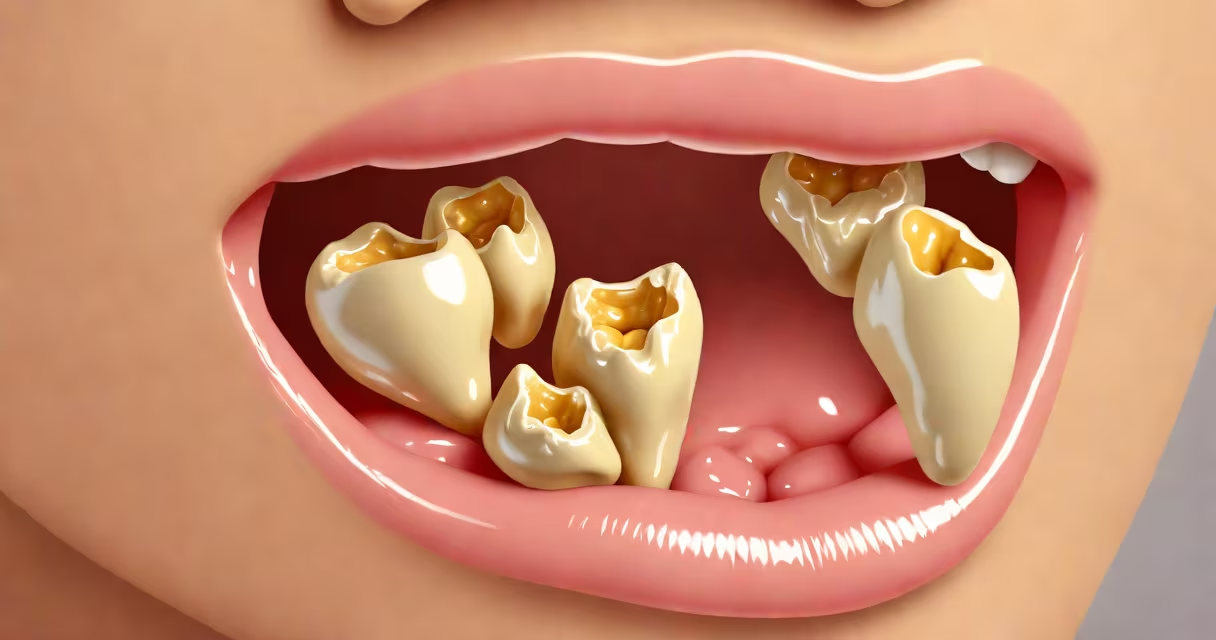
Tonsil stones-small, calcified masses that form in the crevices of the tonsils-can emit a foul odor often described as resembling feces. This occurs because they harbor anaerobic bacteria that break down proteins and produce volatile sulfur compounds, including hydrogen sulfide, which smells like rotten eggs or sewage.
These formations develop when debris such as dead cells, mucus, and food particles accumulate in the tonsillar crypts. Over time, they harden into small, white or yellowish nodules. The presence of sulfur-reducing bacteria like *Fusobacterium* and *Porphyromonas* is key to the offensive smell. These microbes thrive in low-oxygen environments, making the deep folds of the tonsils ideal breeding grounds.
According to the American Academy of Otolaryngology-Head and Neck Surgery (AAO-HNS), approximately 1 in 10 people report experiencing symptoms related to tonsil stones, though many go undiagnosed. The condition is more common in individuals with chronic tonsillitis or enlarged tonsillar crypts. Persistent bad breath (halitosis) is the most frequent symptom, but the odor is often described as "putrid" or "like something buried in soil."
The smell arises from metabolic byproducts of bacterial activity. When anaerobic bacteria digest keratin and other organic material trapped in the tonsil crypts, they release volatile sulfur compounds (VSCs). Hydrogen sulfide (H₂S), methyl mercaptan (CH₃SH), and dimethyl sulfide (CH₃SCH₃) are the primary contributors to the unpleasant aroma.
Hydrogen sulfide, in particular, is responsible for the characteristic "rotten egg" scent. At high concentrations, it can mimic the smell of feces. A study published in the Journal of Oral Microbiology found that patients with halitosis had higher levels of these sulfur compounds in their oral cavities compared to controls. The concentration of VSCs increases when tonsil stones are dislodged or disturbed, releasing trapped gases.
Not all tonsil stones smell equally. Size, location, and microbial composition influence odor intensity. Larger stones with deeper cores tend to produce stronger odors because they trap more debris and host denser bacterial colonies. Some people notice the smell only during certain times-such as upon waking-when saliva flow decreases and bacteria proliferate overnight.
Tonsil stones vary in size, color, and consistency. Most are small-ranging from 1 mm to 5 mm-but can grow larger. Their appearance ranges from white or yellowish to gray or even black, depending on the degree of mineralization and bacterial load.
| Type | Appearance | Odor Profile | Common Symptoms |
|---|---|---|---|
| Small, soft | White or pale yellow, crumbly | Mild to moderate sulfur smell | Occasional bad breath, mild throat irritation |
| Larger, hardened | Yellow-gray, firm, sometimes lumpy | Strong, fecal-like odor | Chronic halitosis, visible mass, ear pain |
| Blackened | Dark brown or black, brittle | Very strong, putrid, rotten | Significant discomfort, difficulty swallowing |
Some people mistake tonsil stones for food particles or dental calculus. However, unlike plaque, which forms along the gumline, tonsil stones appear in the tonsillar crypts-visible as small nodules near the back of the throat. They may be felt with the tongue or seen in a mirror with good lighting.
Many assume that tonsil stones are caused by poor oral hygiene alone. While inadequate brushing and flossing contribute to buildup, the core issue lies in anatomical structure. People with deep tonsillar crypts are more prone to stone formation regardless of daily care routines.
Another misconception is that removing tonsil stones cures halitosis permanently. In reality, recurrence is common. A 2021 study in *The International Journal of Oral Science* showed that 60% of patients who removed stones experienced regrowth within six months. This underscores the need for ongoing management rather than one-time intervention.
A lesser-known fact: the smell of tonsil stones is not always fecal. Some individuals describe it as cheesy, sour, or fishy. The variation stems from differences in bacterial species present. For example, *Prevotella* species are linked to a rancid, meat-like odor, while *Veillonella* contributes a sour, fermented note. The fecal-like description typically results from high levels of hydrogen sulfide.
In a clinical case reported by the University of Michigan Health System, a 28-year-old woman presented with persistent bad breath and a sensation of a foreign body in her throat. Upon examination, a 4 mm white stone was found lodged in the left tonsillar crypt. After gentle removal with a cotton swab, the patient reported immediate relief. Analysis of the stone revealed high concentrations of *Fusobacterium nucleatum* and hydrogen sulfide-confirmed via gas chromatography.
She later described the smell as "exactly like old toilet water." Her symptoms returned after two months despite improved brushing habits. Only after using a saline rinse twice daily and scheduling regular follow-ups did she achieve lasting improvement. This illustrates that prevention requires consistent, targeted care-not just occasional cleaning.
Most tonsil stones resolve with home care. But if you experience recurrent pain, difficulty swallowing, or visible swelling, consult an ENT specialist. Chronic cases may require surgical removal or cryptolysis-a procedure that reshapes the tonsillar crypts to reduce stone formation.
Do tonsil stones smell like poop? Yes-because the same biological processes that break down waste in the colon occur in the tonsils. Bacteria produce sulfur compounds that mimic the smell of feces. Understanding this connection helps explain why even meticulous oral hygiene doesn't always eliminate the odor. Addressing the root cause-bacterial overgrowth and trapped debris-is essential for long-term relief.