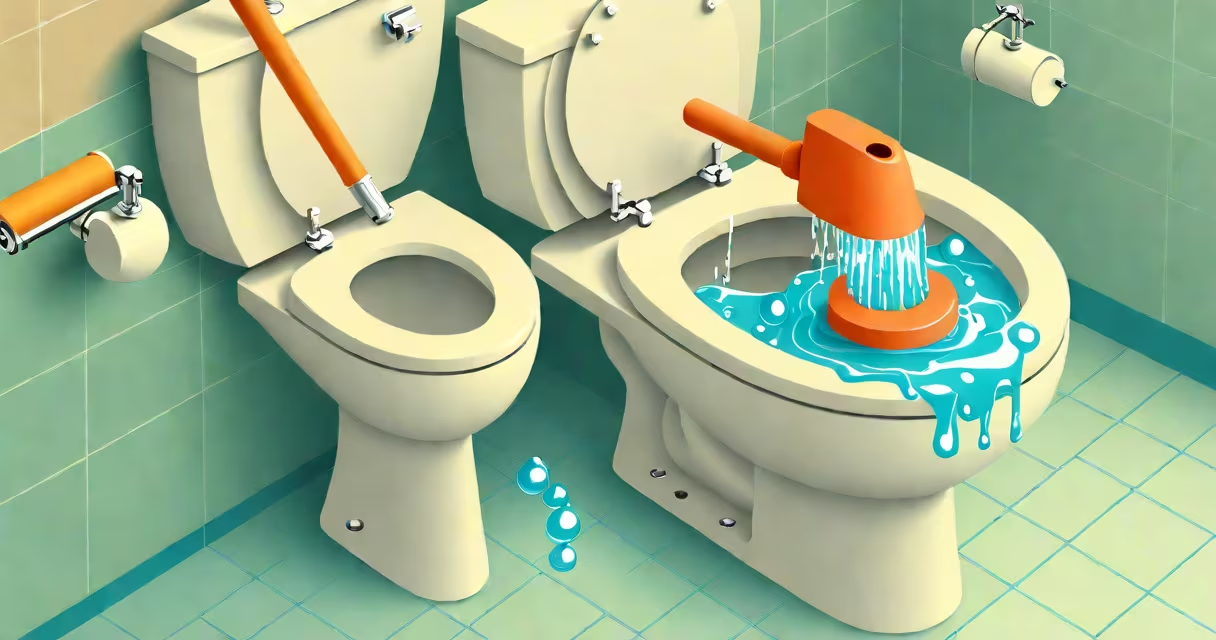
Removing water from a toilet involves stopping the flow, using tools to siphon or pump out standing water, and clearing blockages to prevent recurrence. This process prevents damage to flooring, mold growth, and unsanitary conditions.
When a toilet overflows or fails to flush properly, water remains trapped in the bowl and may spill onto the floor. The immediate goal is to stop the inflow and reduce the volume of water inside the bowl. Most toilets have a shut-off valve behind the base that controls water supply. Turning this valve clockwise stops water from entering the tank and bowl.
After shutting off the water, the next step is to remove the existing water. A shop vacuum with a wet/dry setting, a siphon pump, or even a large household bucket can be used. For small amounts, a sponge or towel works, but avoid contact with raw sewage. Always wear rubber gloves and eye protection when handling contaminated water.
Effective removal requires the right tool. A wet/dry vacuum is most efficient for larger volumes. Place the hose into the bowl and turn on the vacuum. The suction pulls water through the trap and into the collection tank. This method avoids splashing and reduces exposure to waste.
A manual siphon pump works well for smaller amounts. Fill the pump with water from the bowl, then squeeze the handle to create suction. Once primed, the pump drains water through a tube. These pumps cost under $20 and are widely available at hardware stores.
For emergency situations, a standard plastic bucket with a funnel can be used. Pour water into the bucket slowly to avoid spills. This method is slow and risky due to contamination, but it's accessible when no other tools exist.
| Tool | Best For | Time to Drain 5 Gallons | Cost |
|---|---|---|---|
| Wet/dry vacuum | Large overflow, contaminated water | 3-5 minutes | $30-$60 |
| Siphon pump | Small amounts, home use | 8-12 minutes | $10-$20 |
| Plastic bucket & funnel | Emergency, no tools available | 20+ minutes | $5 |
Using a plunger is not effective for removing water-it only clears blockages. Plunging moves water around and risks spreading contaminants. If the toilet is clogged, address the blockage first. Once the bowl drains freely, then remove residual water.
Water often stays because of a clog in the trap or drain pipe. After removing visible water, check for obstructions. A toilet auger (also called a closet auger) is designed for this task. Insert the flexible metal cable into the drain opening and rotate clockwise while pushing forward. When resistance increases, twist and pull back to dislodge debris.
For stubborn clogs, a mixture of baking soda and vinegar can help dissolve organic material. Pour ½ cup baking soda followed by 1 cup white vinegar into the bowl. Let sit for 30 minutes, then flush. This method works best on minor buildup, not solid blockages.
I've used this technique during a family vacation when the only tool available was a kitchen sink plunger. After multiple attempts, the water drained. But the root cause was a foreign object lodged in the trap. Only a professional-grade auger removed it. That experience taught me: DIY methods fail when the obstruction is beyond reach.
Many people believe flushing repeatedly will fix an overflow. This worsens the problem. Each flush adds more water to an already full system. The tank fills, the float rises, and water spills over the rim. This wastes water and increases cleanup time.
Another error is assuming that pouring bleach or drain cleaner into the bowl will clear the issue. Chemicals can corrode porcelain, damage seals, and mix with waste to produce toxic fumes. The EPA warns against using harsh cleaners in plumbing systems unless specifically approved for such use.
Some think that removing water from the bowl fixes the underlying issue. It doesn't. If the toilet continues to back up, the problem lies in the main drain line, not the bowl. A recurring overflow indicates a deeper blockage or venting issue. Ignoring this leads to repeated failures and potential sewer backups.
If water remains after using a vacuum or pump, or if the toilet refuses to flush after clearing the blockage, call a licensed plumber. Persistent issues suggest a clog in the main sewer line, damaged internal components, or a failed wax ring seal.
According to the Plumbing-Heating-Cooling Contractors Association (PHCC), about 30% of toilet overflows stem from main line blockages. These require specialized equipment like drain cameras and high-pressure jetters. Attempting repairs without proper tools risks further damage.
For cases involving sewage backup, especially after heavy rain or flooding, contact a certified restoration service. The CDC advises treating all sewage-contaminated water as hazardous. Exposure can lead to infections from bacteria like E. coli or hepatitis A.
After resolving the issue, inspect the flapper valve, fill valve, and flush mechanism. Replace worn parts to prevent future problems. A faulty flapper can allow continuous water leakage into the bowl, leading to slow leaks and eventual overflow.
Understanding how to remove water from a toilet prevents property damage and health risks. Always prioritize safety, use appropriate tools, and address the root cause. If unsure, seek professional help rather than risk worsening the situation.