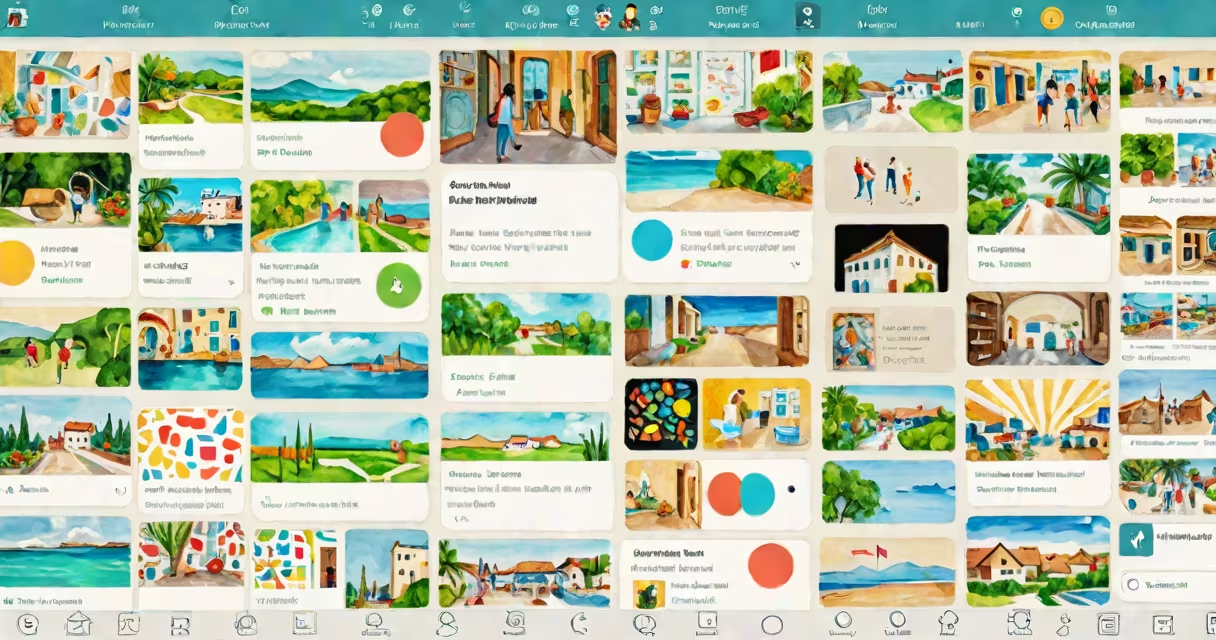
Memrise is a language learning platform that uses spaced repetition and authentic video clips of native speakers to teach vocabulary and phrases through interactive flashcards. It's designed to improve long-term retention by timing reviews based on memory science.
Founded in 2011 by former Google employees, Memrise combines cognitive psychology with real-world language exposure. Unlike basic flashcard apps, it uses footage of actual people speaking in context-such as ordering coffee or asking for directions-to make learning feel natural and practical.
The core method relies on spaced repetition algorithms developed from research by psychologist Hermann Ebbinghaus. These algorithms schedule review sessions just before you're likely to forget a word, reinforcing memory efficiently. According to a 2017 study published in *Frontiers in Psychology*, spaced repetition improves vocabulary acquisition by up to 60% compared to massed practice.
When you start a course, Memrise presents new words or phrases alongside short video clips of native speakers using them in everyday situations. You then match the word to its meaning, hear the pronunciation, and repeat it aloud. This multi-sensory approach activates visual, auditory, and kinesthetic learning pathways.
After initial exposure, the app schedules follow-up quizzes at increasing intervals-typically 1 day, 3 days, 7 days, then 14 days. If you answer correctly, the interval grows longer. If you struggle, the system shortens the next review window. This changing scheduling adapts to your personal memory curve.
For example, if you learn the French word "chien" (dog), Memrise shows a clip of someone saying "Mon chien est mignon" while walking a dog. You see the word, hear it spoken, and later recall it during a timed quiz. The system tracks your performance and adjusts future reviews accordingly.
Memrise offers several structured formats tailored to different learning styles and goals:
| Mode | Description | Best For |
|---|---|---|
| Learn Mode | Interactive flashcards with audio and video clips. | First-time learners building foundational vocabulary. |
| Test Mode | Timed quizzes testing recognition and recall. | Assessing retention and identifying weak points. |
| Play Mode | Repetition-based drills with randomized sequences. | Strengthening automatic recall under pressure. |
| Stories Mode | Short narrative videos featuring characters and dialogue. | Contextual understanding and listening comprehension. |
Each course is divided into levels. Completing Level 1 might take 10-15 minutes daily for two weeks. Progress unlocks new units, which often focus on specific themes-like food, travel, or work-helping users build functional language skills.
One feature that sets Memrise apart is its use of "User-Generated Content." Thousands of courses are created by learners worldwide, covering niche topics such as medical Spanish or business German. These aren't vetted by Memrise staff, but they offer access to specialized vocabulary not found in official courses.
Many users assume Memrise is just another flashcard app. It's not. While it includes flashcards, their design integrates real human speech, gestures, and context-elements missing from static card systems like Anki or Quizlet.
Another misconception is that Memrise teaches grammar. It doesn't. The platform focuses exclusively on vocabulary and phrases. Grammar is introduced implicitly through sentence patterns in video clips, but there's no formal instruction on verb conjugations or sentence structure.
A third error is thinking Memrise replaces immersion. It doesn't. The app simulates real-life exposure, but consistent use of the language in conversation or media is still required for fluency. As noted by the American Council on the Teaching of Foreign Languages (ACTFL), effective language acquisition requires interaction beyond digital tools.
Suppose you're learning Italian with Memrise's "Italian for Beginners" course. On Day 1, you encounter the word "ciao," paired with a clip of a woman greeting her friend at a café. You tap "hello" from a list of options. Correct. The app records your response and schedules a review in 1 day.
On Day 2, you see "ciao" again. This time, you're asked to speak it aloud. The app listens via microphone and scores your pronunciation using AI. You get feedback: "Good! Try to round your lips more." After three correct attempts, the system moves the word to a longer interval-7 days.
By Day 7, you're shown "ciao" again. If you respond correctly, the next review is set for 14 days. If you miss it, the cycle resets to shorter intervals. Over time, high-frequency words like "grazie" (thank you) and "per favore" (please) become automatic.
I personally used Memrise to learn basic Japanese before traveling to Tokyo. After 30 days of 15-minute sessions, I could recognize common phrases in signs and menus. I didn't understand entire conversations-but I could ask for directions and order food. That level of practicality was the goal, and Memrise delivered.
Memrise's strength lies in its blend of neuroscience-backed spacing and authentic language input. A 2020 report from the University of Edinburgh found that learners using spaced repetition tools retained 40% more vocabulary after six months than those using traditional study methods.
Unlike many language apps that rely on gamification (badges, streaks, leaderboards), Memrise prioritizes cognitive efficiency. While it includes fun elements like animated rewards, the focus remains on memory optimization-not engagement for engagement's sake.
Also notable: Memrise offers a free tier with access to hundreds of courses. Premium features-like offline mode, progress tracking, and advanced analytics-are available through subscription. But even the free version supports core learning functions.
Finally, Memrise doesn't claim to make you fluent. It aims to give you the building blocks for real communication. As stated in the *Journal of Educational Technology & Society*, effective language tools don't promise mastery-they provide measurable, incremental progress toward it.
Understanding what is Memrise clarifies its role: a scientifically grounded, visually rich, and user-focused tool for acquiring usable vocabulary. It's not a substitute for conversation or formal instruction-but it's a useful supplement when used consistently.