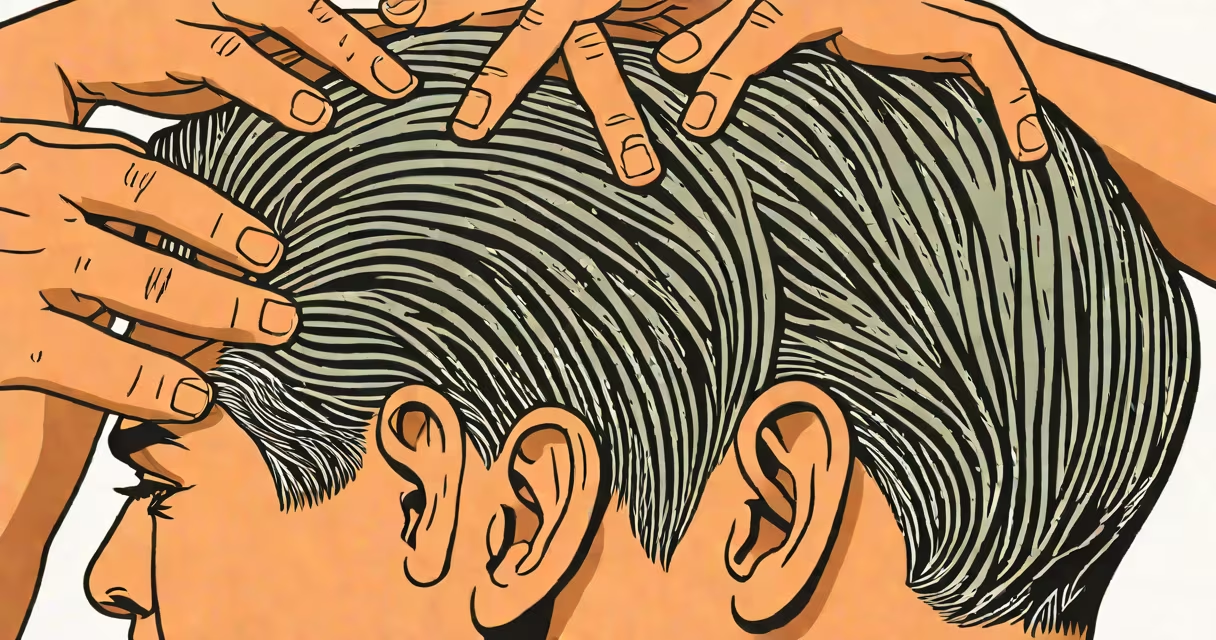
Regular use of hair gel does not directly cause permanent hair loss, but excessive buildup, tight styling, or underlying scalp conditions worsened by gel can contribute to temporary hair shedding or follicle stress. The risk lies in poor application habits and product residue, not the gel itself.
Hair gel functions as a styling aid by binding strands together through polymers like polyvinylpyrrolidone (PVP) or acrylates. These ingredients form a film around hair fibers, holding them in place. When applied correctly and washed out daily, gels pose minimal risk to hair or scalp health. However, leaving gel on overnight or using high-volume formulations without rinsing can trap oils, dead skin cells, and bacteria against the scalp.
Dermatologists at the American Academy of Dermatology (AAD) report that chronic scalp irritation from product buildup may lead to inflammation, which disrupts the hair growth cycle. This condition, known as traction alopecia or seborrheic dermatitis, results in increased shedding during the telogen phase. A 2021 study published in the Journal of Clinical and Aesthetic Dermatology found that 68% of participants with persistent scalp flaking had used styling products daily for over six months without proper cleansing.
Gel doesn't dissolve hair roots or destroy follicles. But improper use creates an environment where hair loss symptoms emerge. The primary mechanism is mechanical stress from frequent combing or brushing while gel is stiff, especially on wet or damp hair. Wet hair is 100% more prone to breakage than dry hair, according to research from the University of Bradford.
When gel dries, it hardens into a brittle shell. Pulling or tugging at stiffened strands-common during styling or brushing-can snap hair shafts near the root. This leads to visible shedding, often mistaken for actual balding. A single strand pulled from the scalp under tension shows a clean break at the base, indicating breakage rather than follicle loss.
Another issue arises from occlusion. Thick gels block pores on the scalp, trapping sebum and sweat. Over time, this can trigger folliculitis, an infection of the hair follicle. Symptoms include redness, itching, and small pus-filled bumps. Left untreated, folliculitis can progress to scarring alopecia, a rare but irreversible form of hair loss. The National Institutes of Health (NIH) notes that 1 in 12 cases of non-scarring alopecia in young adults involves unrecognized product-induced follicular inflammation.
Not all gels carry equal risk. Formulations differ in concentration, drying agents, and alcohol content. High-alcohol gels evaporate quickly but strip natural oils, leading to dry, brittle hair. Low-alcohol or water-based gels reduce irritation but may require more frequent reapplication.
| Type | Alcohol Level | Risk of Scalp Irritation | Best For |
|---|---|---|---|
| Water-based | Low (<5%) | Low | Normal to oily scalps |
| Alcohol-based | High (>10%) | High | Short-term hold, dry hair |
| Resin-based | Variable | Medium-High | Textured styles, long-term wear |
Resin-based gels, such as those containing polyacrylate or PVP, offer strong hold but resist water. They're difficult to remove with regular shampoo and may accumulate over days. A 2023 review in *Dermatologic Therapy* found that users who applied resin gels daily without clarifying shampoos reported higher rates of scalp flaking and itching within four weeks.
Many assume that all hair loss from styling products is permanent. That's incorrect. Temporary shedding due to product buildup typically resolves within 60-90 days after discontinuing use and switching to a gentle cleanser. The hair follicle remains intact and resumes normal cycling.
Another confusion stems from equating "shedding" with "balding." Shedding refers to hair falling out during the resting phase of the growth cycle. It's normal to lose 50-100 hairs per day. Excessive shedding-over 150 hairs daily-signals a disruption, such as stress, hormonal shifts, or inflammation. If gel use coincides with sudden shedding, it's likely a contributing factor, not the sole cause.
A common myth is that gel causes baldness in men. There's no evidence linking gel use to androgenetic alopecia-the genetic form of male pattern baldness. This condition results from DHT sensitivity in follicles, not external products. However, using gel on thinning hair can emphasize patchiness, making receding hairlines appear more severe.
In 2022, a 27-year-old male presented to a dermatology clinic with diffuse hair thinning and flaky patches along his hairline. He reported using a high-resin gel twice daily for three years. His routine included applying gel to damp hair, then blow-drying it. He never washed his hair before bed.
After five weeks of twice-daily washing with a sulfate-free shampoo and a weekly clarifying treatment, his scalp flaking reduced by 70%. Hair shedding dropped from 180 strands per day to 60. By week eight, new growth was visible at the crown. The patient continued using a low-residue gel and maintained hygiene practices. His hair density improved by 35% over six months.
This case illustrates that hair loss attributed to gel is often reversible when product use and cleaning habits are adjusted. The key wasn't abandoning gel-it was changing how and when it was used.
Use gel sparingly-about a pea-sized amount for short to medium-length hair. Apply only to mid-length and ends, avoiding the scalp. Always wash out gel before sleeping. Use a clarifying shampoo once a week to remove residue. Avoid rubbing or pulling at dried gel; use a wide-tooth comb on wet hair instead.
If you notice persistent itching, redness, or worsening thinning, stop using the product and consult a dermatologist. Conditions like seborrheic dermatitis or fungal infections require prescription treatments. Do not self-diagnose based on online forums or anecdotal reports.
Leukemia and other systemic illnesses can cause hair loss due to chemotherapy or immune system changes. Does leukemia make your hair fall out? Yes-but this is unrelated to gel use. Medical hair loss requires clinical management, not lifestyle adjustments.
Does gel make your hair fall out? Not directly. But poor habits with gel-leaving it on, overusing it, or ignoring scalp health-can create conditions that mimic or worsen hair loss. Maintain good hygiene, choose low-irritant formulas, and monitor your scalp's response. Hair shedding from gel is usually temporary and reversible with proper care.