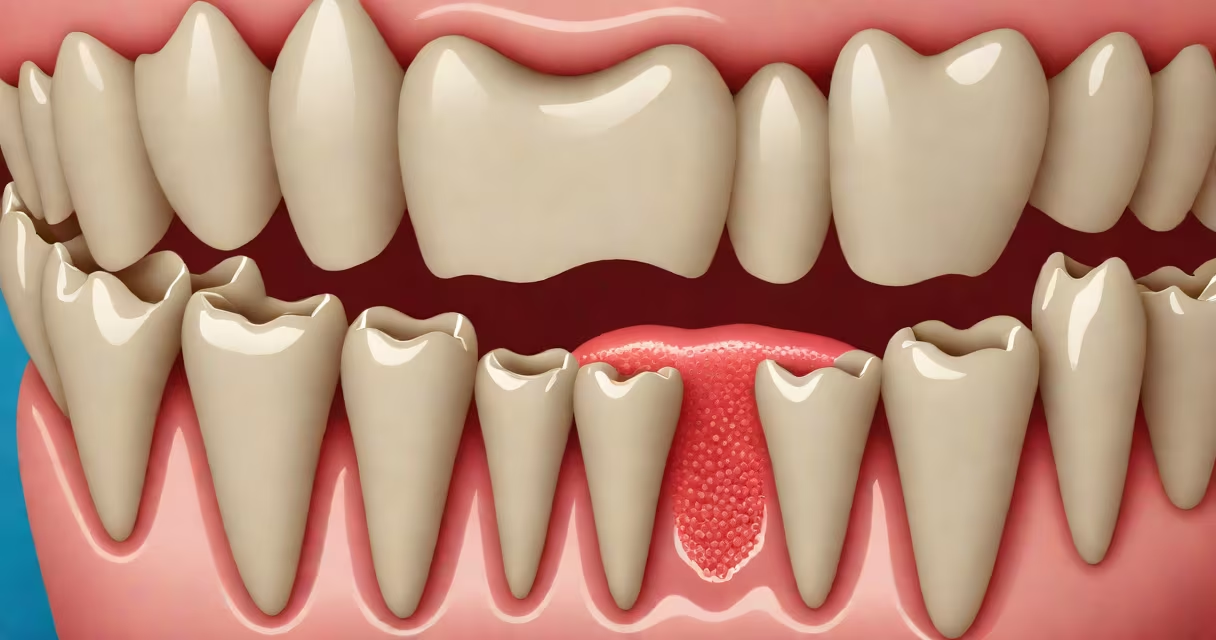
Wisdom teeth, or third molars, usually erupt between ages 17 and 25, though they may appear earlier or later. Some people never develop them. Their emergence is part of human dental development, not a sign of emotional maturity.
Third molars are the last permanent teeth to grow in. They appear at the very back of the mouth, behind the second molars. Most people have four wisdom teeth-two on the top, two on the bottom-but some have fewer or none. The timing of their eruption varies widely due to genetics, jaw size, and evolutionary changes in diet and skull structure.
According to the American Association of Oral and Maxillofacial Surgeons (AAOMS), the average age for wisdom tooth eruption is 19.5 years. However, 20% of individuals show signs of eruption before age 17, and 15% don't show symptoms until after age 25. This variation is normal and not necessarily a cause for concern unless complications arise.
Wisdom teeth begin forming around age 7, when the permanent tooth buds develop beneath the gums. These buds remain inactive for years, then gradually grow toward the surface. The process can take months or even years, depending on individual anatomy.
As the tooth pushes through the gum, it often causes pressure, swelling, and discomfort. The gum tissue may become inflamed-a condition called pericoronitis-especially if the tooth only partially emerges. Partial eruption creates a flap of tissue where food particles and bacteria collect, increasing infection risk.
A 2021 study published in the Journal of Oral and Maxillofacial Surgery found that 60% of patients experiencing wisdom tooth pain had at least one tooth impacted (unable to fully emerge). Impaction occurs when there's not enough space in the jaw, causing the tooth to grow sideways, upward, or at an angle. This leads to pain, damage to adjacent teeth, and cyst formation in rare cases.
Not all wisdom teeth follow the same path. They can erupt in several distinct patterns:
| Pattern | Description | Common Symptoms |
|---|---|---|
| Normal eruption | Tooth grows straight into position, fully emerges | Mild soreness, temporary jaw stiffness |
| Impacted | Tooth remains trapped under bone or gum | Chronic pain, swelling, bad breath, difficulty opening mouth |
| Partial eruption | Tooth breaks through gum but remains covered | Recurrent infections, sharp pain during eating |
| Horizontal growth | Tooth grows sideways into adjacent tooth | Damage to second molar, severe pain, potential nerve injury |
When a tooth grows horizontally, it can erode the root of the neighboring second molar. A 2019 study in the British Dental Journal reported that 42% of horizontal impactions caused irreversible damage to adjacent teeth, requiring extraction of both.
Evolutionary shifts in human diet and jaw size explain why wisdom teeth often cause problems. Early humans ate tough, fibrous foods that required useful jaws and large molars. Modern diets rely on softer, processed foods, reducing the need for extra chewing surfaces. As a result, many people lack sufficient space for all 32 permanent teeth.
Genetics strongly influence whether wisdom teeth develop at all. Research from the University of Michigan shows that 35% of people of European descent lack at least one wisdom tooth. Among Indigenous populations in North America, the rate is higher-up to 50%. This suggests that wisdom teeth are becoming less common over generations.
One non-obvious fact: not all wisdom teeth that "come in" are visible. Radiographs (X-rays) reveal that 30% of people have fully erupted wisdom teeth that are never felt or noticed. Conversely, 20% of people report pain from wisdom teeth that never fully emerge. This highlights the importance of dental imaging-not just symptoms-for diagnosis.
Many assume wisdom teeth always cause pain or must be removed. That's not true. The AAOMS states that only 25% of wisdom teeth require surgical removal due to complications. Others remain asymptomatic and function normally.
Another misconception: wisdom teeth are "wise" because they mark maturity. The name comes from the belief that they appear during late adolescence or early adulthood-when people are considered "wiser." But the term is purely historical. There's no cognitive link between tooth eruption and intelligence.
Some confuse wisdom tooth pain with sinus issues. Pressure from an erupting lower wisdom tooth can radiate to the ear and temple, mimicking sinus headaches. A dentist can distinguish this using imaging. If the pain resolves after tooth extraction, it confirms the source.
In 2022, a 28-year-old patient visited a clinic complaining of jaw pain and swelling near the back left side of their mouth. Clinical exam showed redness and tenderness over the mandibular third molar area. An X-ray revealed a partially erupted lower left wisdom tooth with a small infection pocket.
The patient reported no prior issues until six weeks before the visit. Pain worsened during meals and at night. After antibiotics and local irrigation, the dentist recommended surgical removal. The procedure took 45 minutes under local anesthesia. Recovery was complete within 7 days.
This case illustrates that wisdom tooth problems can start late. Even at age 28, eruption can still cause significant issues. Early intervention prevents complications like abscesses or damage to nearby teeth.
Seek care if you experience persistent pain, swelling, bad breath, or trouble opening your mouth. Routine dental check-ups around age 16-18 are ideal for assessing wisdom tooth development. Panoramic X-rays taken at this stage can predict impaction risk and inform treatment planning.
I've seen patients delay care for years, only to face complex extractions later. One man waited until his wisdom tooth caused a jaw fracture. The repair required surgery and a month of restricted diet. Prevention is simpler and safer.
If you're unsure about your wisdom teeth, consult a dentist. They'll assess your X-rays and recommend monitoring, treatment, or removal based on your individual risk profile.
Understanding when wisdom teeth come in helps manage expectations and avoid unnecessary anxiety. Most erupt between 17 and 25, but timing varies. Not all require removal. Regular dental visits ensure early detection and better outcomes.