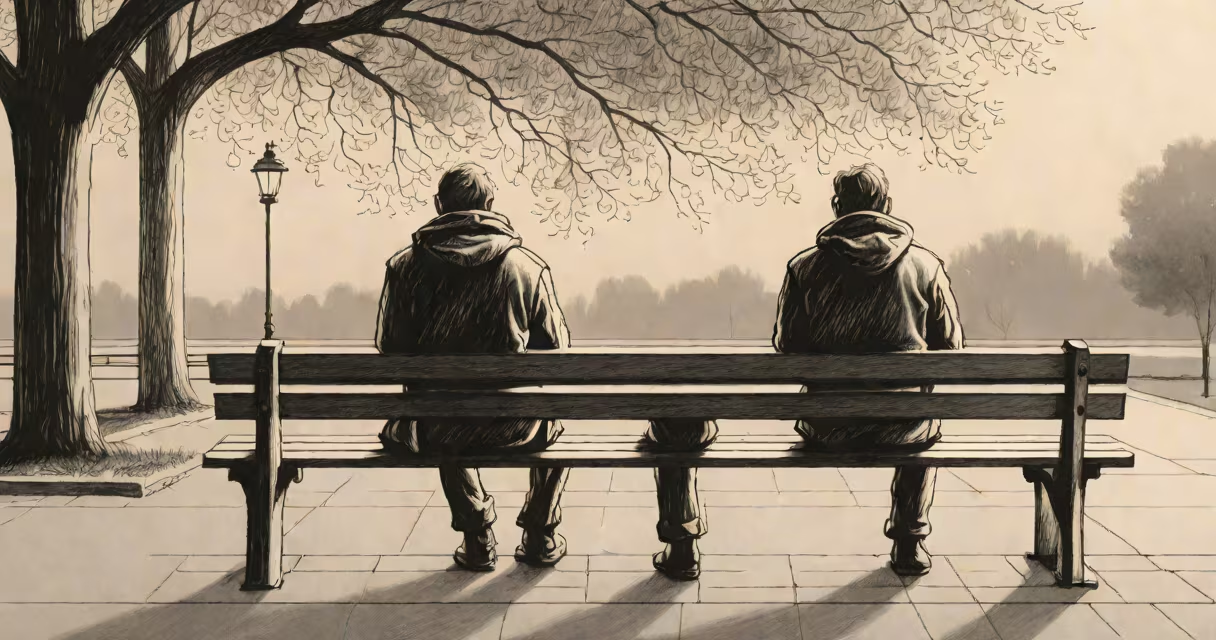
Feeling lonely sad is a persistent state of emotional isolation and low mood that disrupts daily life, marked by a sense of disconnection from others and diminished well-being. It combines the physical and psychological weight of loneliness with the internal ache of sadness, often lasting beyond temporary emotional dips.
Loneliness is not simply being alone-it's the subjective feeling of lacking meaningful connection. Sadness is a natural response to loss or disappointment. When both coexist, they create a feedback loop: loneliness intensifies sadness, and sadness makes reaching out harder. This combination can erode motivation, sleep, and self-worth over time.
According to the American Psychological Association, chronic loneliness increases the risk of depression by 50% and raises the likelihood of early mortality by 26%, even after adjusting for other health factors. The National Institute of Mental Health notes that persistent sadness paired with social withdrawal is a key indicator of clinical depression, especially when it lasts more than two weeks and interferes with work, relationships, or basic self-care.
When someone feels lonely sad, the brain's stress systems activate. Cortisol levels rise, disrupting sleep and appetite. The prefrontal cortex-the area responsible for decision-making and emotional regulation-becomes less active, making it harder to think or act on positive impulses.
Neuroimaging studies show that lonely individuals exhibit heightened activity in the amygdala, the brain's fear center, even during neutral social interactions. This creates a bias: they interpret ambiguous cues as rejection. A 2022 study published in *Nature Human Behaviour* found that people reporting frequent loneliness showed stronger neural responses to perceived social exclusion, even when no exclusion occurred.
This cycle reinforces avoidance. The person stops initiating contact because they expect rejection. That lack of interaction deepens the sense of isolation, which fuels more sadness. Over time, the emotional load becomes unsustainable without intervention.
Loneliness isn't a single condition. It manifests in different forms, each with distinct causes and patterns:
| Type | Definition | Common Triggers | Example |
|---|---|---|---|
| Emotional loneliness | Lack of close, intimate connections | Breakup, grief, moving away | Someone who lost their partner and feels no one understands their loss |
| Social loneliness | Isolation from group activities or community | New job, relocation, disability | A recent immigrant who attends events but never connects with anyone |
| Existential loneliness | Feeling disconnected from purpose or meaning | Career burnout, midlife crisis | A 40-year-old professional questioning whether their work matters |
While all involve sadness, emotional loneliness often feels like a quiet emptiness. Social loneliness can feel like being surrounded by people yet invisible. Existential loneliness carries a deeper unease-"Why am I here?"-that may not resolve with more friends.
Many assume that feeling lonely sad means you're "weak" or "not trying hard enough." That's false. Loneliness is not a character flaw-it's a human response to unmet social needs. The World Health Organization identifies loneliness as a public health concern, ranking it alongside obesity and smoking for long-term health impact.
Another myth: "I'm not truly lonely-I have friends online." Digital connection doesn't replace face-to-face intimacy. A 2021 study in *Computers in Human Behavior* found that people who spent more than four hours daily on social media reported higher levels of loneliness than those with under one hour, even when they had hundreds of online contacts.
Also, loneliness isn't always about quantity. You can feel isolated in a crowd. I once sat in a crowded café during a holiday season, surrounded by laughing families, and felt a sharp wave of loneliness-my phone was buzzing with messages, but none felt real. That moment taught me that connection isn't measured in likes or calls, but in shared presence.
Feeling lonely sad doesn't require waiting for a miracle. Small, consistent actions reduce the burden. Start with one behavior: reach out to someone with a simple message.
Research from the University of California, Berkeley shows that brief, authentic communication-like texting a friend "Thinking of you"-can increase oxytocin levels within minutes, reducing cortisol and improving mood. Even sending a photo of your lunch or a weather update counts. The goal isn't deep conversation-it's signaling "I exist, and I see you."
If the feeling persists for more than two weeks, consider speaking with a therapist. Cognitive Behavioral Therapy (CBT) has been shown to reduce loneliness by 40% in adults over eight weeks, according to a 2023 meta-analysis in *JAMA Psychiatry*. CBT helps reframe negative thoughts like "No one wants to talk to me" into evidence-based alternatives: "I've reached out twice this week-both times got replies."
For immediate relief, try the "5-4-3-2-1" grounding technique: name five things you see, four you can touch, three you hear, two you smell, one you taste. This shifts focus from internal pain to sensory reality. It's not a cure-but it interrupts rumination.
Feeling lonely sad becomes a clinical issue when it leads to withdrawal, changes in eating or sleeping, or thoughts of self-harm. The American Psychiatric Association defines major depressive disorder as two weeks of depressed mood or loss of interest, plus at least four of nine symptoms including fatigue, difficulty concentrating, and feelings of worthlessness.
Recovery isn't linear. Some days will be harder. But progress happens in micro-movements: a text sent, a walk taken, a meal eaten. You don't have to fix everything at once. Just keep showing up-yourself, your emotions, your story.