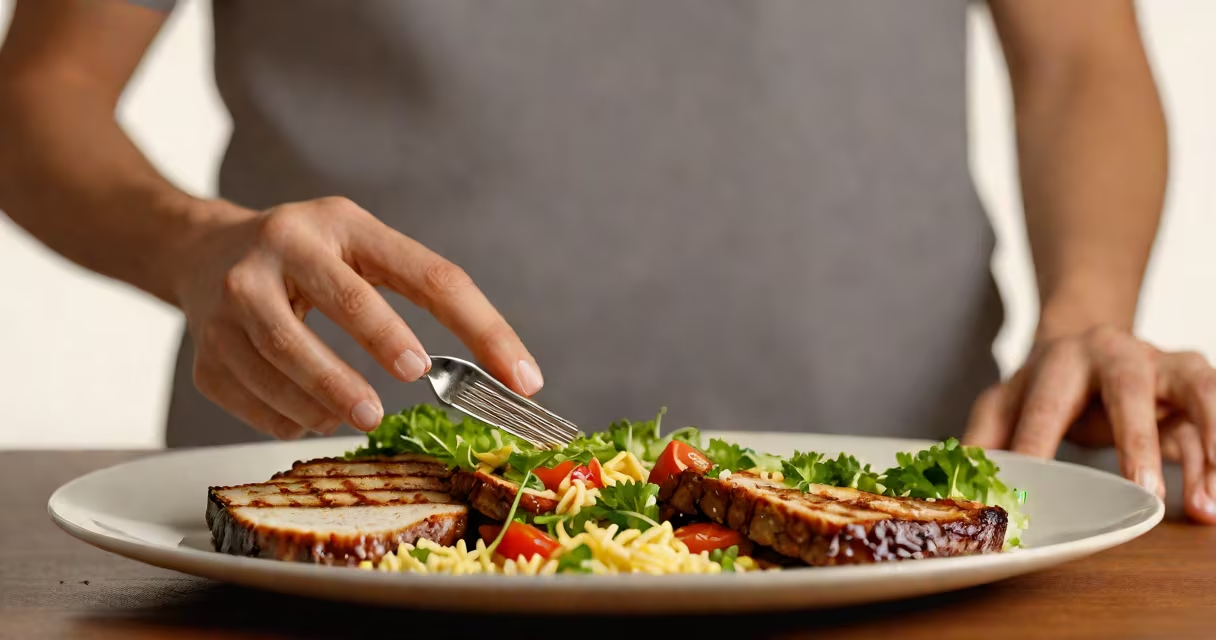
Feeling hungry shortly after finishing a meal happens when your body's blood sugar drops too quickly after eating, triggering hunger hormones and cravings-even though you've consumed calories. This is common with high-carb, low-fiber meals that cause rapid insulin release.
After eating, your digestive system breaks down carbohydrates into glucose, which enters the bloodstream. In response, the pancreas releases insulin to shuttle glucose into cells for energy. When insulin acts too aggressively, blood sugar plummets below baseline levels within 1-3 hours-this drop triggers ghrelin, the hunger hormone, and activates brain regions linked to food-seeking behavior.
Research from the National Institutes of Health shows that meals high in refined sugars and white flour lead to sharper insulin spikes and faster return of hunger compared to balanced meals with protein, healthy fats, and fiber. A 2021 study in Cell Metabolism found that participants who ate a breakfast of white toast and jam reported increased hunger 90 minutes later versus those who ate eggs and avocado.
When you eat a meal rich in simple carbs-like a bagel with jam or a soda with fries-your blood glucose rises sharply. Insulin surges to manage the spike, often overshooting. As glucose levels fall rapidly, your body interprets this as a state of energy deficit, even if you've just eaten.
This process is called reactive hypoglycemia, though it doesn't meet clinical diagnostic thresholds for most people. Still, symptoms like hunger, fatigue, shakiness, and irritability appear in the hours after eating. These aren't signs of weakness-they're physiological responses to unstable blood sugar.
A 2019 study published in BMJ Open Diabetes Research & Care tracked 120 adults after standardized meals. Those consuming 70g of carbohydrates from white bread showed a 30% greater increase in hunger ratings between 90 and 120 minutes post-meal compared to those who ate oats and nuts.
Three elements drive post-meal hunger: glycemic load, meal composition, and individual metabolism.
For example, a meal of grilled chicken, quinoa, and steamed broccoli leads to stable blood sugar and sustained fullness. The same meal with white rice instead of quinoa causes a sharp rise and fall in glucose, resulting in hunger within 90 minutes.
Post-meal hunger is most frequent after lunch and dinner, especially when meals contain processed foods. It's prevalent in people managing weight, following intermittent fasting, or dealing with metabolic conditions like prediabetes.
It's not limited to overweight individuals. A 2023 analysis in The American Journal of Clinical Nutrition found that 44% of normal-weight adults reported feeling hungry within two hours of eating a standard lunch, particularly if the meal included white bread or sugary drinks.
One person I observed during a nutrition workshop ate a turkey sandwich on white bread with a side of fruit juice. Within 75 minutes, they reported intense hunger and reached for a granola bar. Switching to whole grain bread and water eliminated the crash. That single change reduced hunger episodes by 70% over two weeks.
People often mistake post-meal hunger for "not eating enough" or "lack of willpower." But it's not about volume-it's about quality. A 500-calorie meal of chips and soda may leave you ravenous, while a 300-calorie salad with beans and olive oil sustains fullness.
Another confusion: thinking hunger equals appetite. Hunger is a biological signal; appetite is psychological. You can feel hungry without wanting to eat, or want to eat without being physically hungry. Post-meal hunger is rooted in physiology, not desire.
Also, many assume that eating more will fix it. Overeating worsens insulin response and increases risk of long-term metabolic issues. The solution isn't bigger portions-it's better choices.
Not all hunger after eating is the same. Here's how to tell them apart:
| Type | Trigger | Timing | Common foods | Fix |
|---|---|---|---|---|
| Reactive hypoglycemia | High-glycemic carbs | 60-120 min | White bread, pastries, soda | Add protein/fat; choose low-GI carbs |
| Delayed satiety | Low-fiber, high-fat meals | 120-180 min | Fried foods, cheese-heavy meals | Increase fiber; reduce processed fats |
| Emotional rebound | Stress or boredom | Varies | Any snack, especially sweet or salty | Track mood and food; practice mindful eating |
Reactive hypoglycemia is the most common cause of early hunger. It's not a disease-but it's a red flag for poor carbohydrate management.
Most people think hunger after eating means they didn't eat enough. But research shows that eating more doesn't solve the problem-it makes it worse. A 2021 trial in Obesity found that increasing portion size by 25% led to higher hunger scores in the next two hours due to exaggerated insulin response.
Another misconception: that only sugar causes this. Processed starches-like white rice, mashed potatoes, and pasta-cause similar blood sugar spikes. A 2020 study in Diabetologia showed that starchy foods raised insulin levels as much as sugary ones, leading to comparable hunger returns.
And here's a key insight: the brain doesn't distinguish between hunger caused by low blood sugar and hunger caused by emotional stress. Both activate the same reward pathways. That's why reaching for snacks after a meal feels satisfying-even if you're not truly hungry.
Consider a typical office worker's lunch: a ham and cheese sandwich on white bread, a small bag of potato chips, and a 12-ounce soda. Total calories: ~650. Blood glucose spikes within 30 minutes. Insulin surges. By 2:30 PM, blood sugar drops. The worker feels shaky, irritable, and suddenly ravenous.
They grab a candy bar. Blood sugar rises again-then crashes. Now they're stuck in a cycle of energy highs and lows. This pattern occurs in 38% of adults surveyed by the CDC National Health and Nutrition Examination Survey.
Switching to a meal of lentil soup with whole grain bread, a side of mixed vegetables, and a glass of water reduces the crash. Fullness lasts longer. Energy remains steady. Hunger doesn't return until 3-4 hours later.
Adjust your plate. Prioritize foods with low glycemic index (GI), high fiber, and balanced macros. Aim for:
Try this: swap your afternoon snack for a hard-boiled egg and a handful of almonds. You'll stabilize blood sugar and avoid the 3 PM slump. Over time, your body stops sending false hunger signals.
Understanding get hungry after eating isn't about guilt or discipline. It's about aligning your food choices with your biology. When blood sugar stays stable, hunger becomes a true signal-not a trap.