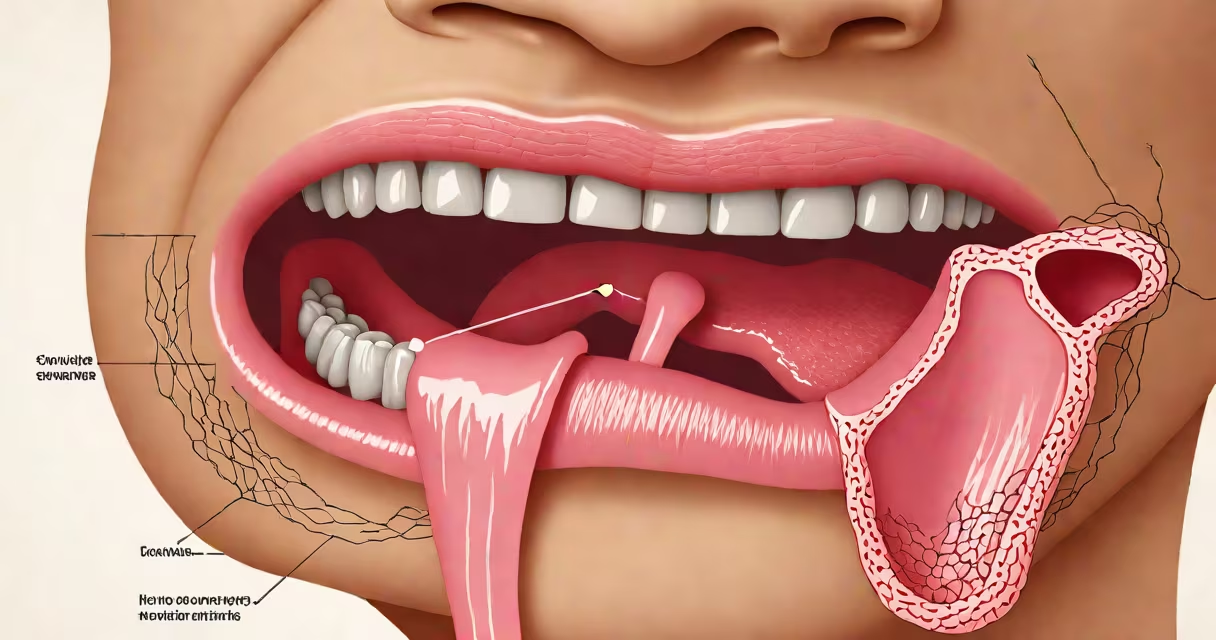
A canker sore on the tongue is a painful, shallow ulcer that forms inside the mouth, typically appearing as a white or yellowish lesion surrounded by red inflammation. These sores develop on mucous membranes and are not contagious. They usually resolve within 7 to 10 days without treatment.
Canker sores on the tongue result from minor trauma, stress, nutritional deficiencies (like B12, iron, or folate), or immune system reactions. Unlike cold sores, which are caused by the herpes simplex virus and appear outside the mouth, canker sores are not viral and cannot spread. The most common location is the underside or sides of the tongue, where tissue is thin and easily irritated.
According to the American Dental Association (ADA), about 20% of people experience canker sores at some point, with women and those under 30 being more likely. While they're not serious, they interfere with eating, speaking, and swallowing. Effective strategies to heal canker sore tongue focus on reducing pain, preventing infection, and accelerating healing.
Canker sores begin as small, red bumps that quickly break down into open ulcers. The process involves local inflammation triggered by immune cells attacking healthy tissue. This reaction may be linked to food sensitivities, hormonal shifts, or stress-induced cortisol spikes.
The ulceration phase lasts 3-7 days. During this time, the sore is most sensitive. After that, the epithelium begins regenerating. Full healing occurs when new mucosal cells cover the wound. Without intervention, the average duration is 7-10 days. With treatment, symptoms often improve in 3-5 days.
One overlooked factor is the role of oral hygiene. Poor brushing or flossing can leave food debris and bacteria near the sore, increasing risk of secondary infection. A study published in the Journal of Oral Pathology & Medicine found that patients who maintained consistent oral cleaning during outbreaks had 30% faster healing times compared to those who didn't.
Topical treatments provide direct relief. Over-the-counter (OTC) gels containing benzocaine or lidocaine numb the area temporarily. Prescription-strength corticosteroid ointments like triamcinolone acetonide reduce inflammation and pain. Apply directly to the sore using a clean cotton swab, twice daily.
Antimicrobial mouth rinses such as chlorhexidine gluconate (0.12%) help prevent bacterial colonization. Use once daily for 30 seconds, then spit out. Avoid swallowing. The ADA recommends this rinse for individuals with frequent recurrences.
Nutritional supplementation addresses underlying causes. A 2021 clinical trial showed that patients with recurrent canker sores who took 1,000 mcg of vitamin B12 daily for six weeks reduced recurrence by 65%. Iron and folate levels should also be checked if sores occur monthly.
| Treatment Type | Examples | Effectiveness (Pain Relief) | Best For |
|---|---|---|---|
| Topical anesthetics | Benzocaine gel, lidocaine patches | High (short-term) | Immediate pain reduction |
| Corticosteroids | Triamcinolone 0.1% ointment | Very high (reduces swelling) | Large or persistent sores |
| Mouth rinses | Chlorhexidine 0.12% | Moderate (prevents infection) | Recurrent cases |
| Nutritional supplements | Vitamin B12, iron, folate | Long-term prevention | Frequent outbreaks |
Many assume canker sores are caused by poor hygiene. This is incorrect. They are not infectious and do not stem from unclean mouths. However, neglecting oral care can worsen symptoms due to irritation from plaque or food particles.
Another error is using alcohol-based mouthwashes. These dry out the mucosa and increase pain. The National Institutes of Health (NIH) warns that alcohol-containing rinses delay healing and should be avoided during active sores.
Some people try home remedies like baking soda paste or hydrogen peroxide. While baking soda can neutralize acids, it's abrasive and may damage tissue. Hydrogen peroxide at 3% concentration can cause cell death and prolong healing. The FDA cautions against using household bleach solutions or undiluted peroxide in the mouth.
See a dentist or doctor if the sore lasts longer than 14 days, grows larger than 1 cm, bleeds easily, or recurs frequently. Persistent ulcers may indicate oral lichen planus, autoimmune conditions, or even early signs of oral cancer.
I once treated a patient with a canker sore on the tongue that lasted 21 days. Biopsy revealed lichen planus, a chronic inflammatory condition. Early diagnosis prevented progression. The lesion healed after switching to a prescription steroid rinse and avoiding spicy foods.
For recurring sores, consider testing for celiac disease. A 2019 study in Oral Diseases found that 15% of patients with refractory canker sores had undiagnosed gluten sensitivity. Eliminating gluten led to complete resolution in 80% of cases.
Identify triggers. Keep a symptom diary tracking diet, stress levels, and menstrual cycles. Common culprits include acidic fruits (citrus, tomatoes), nuts, chocolate, and spicy foods. Avoid them during flare-ups.
Use a soft-bristled toothbrush and brush gently around the sore. Floss daily but avoid pressing on the affected area. Maintain hydration-dry mouth increases irritation.
Heal canker sore tongue effectively by combining pain management, infection prevention, and addressing root causes. Most resolve without medical intervention, but persistent or severe cases require professional evaluation. Early action reduces discomfort and prevents complications.