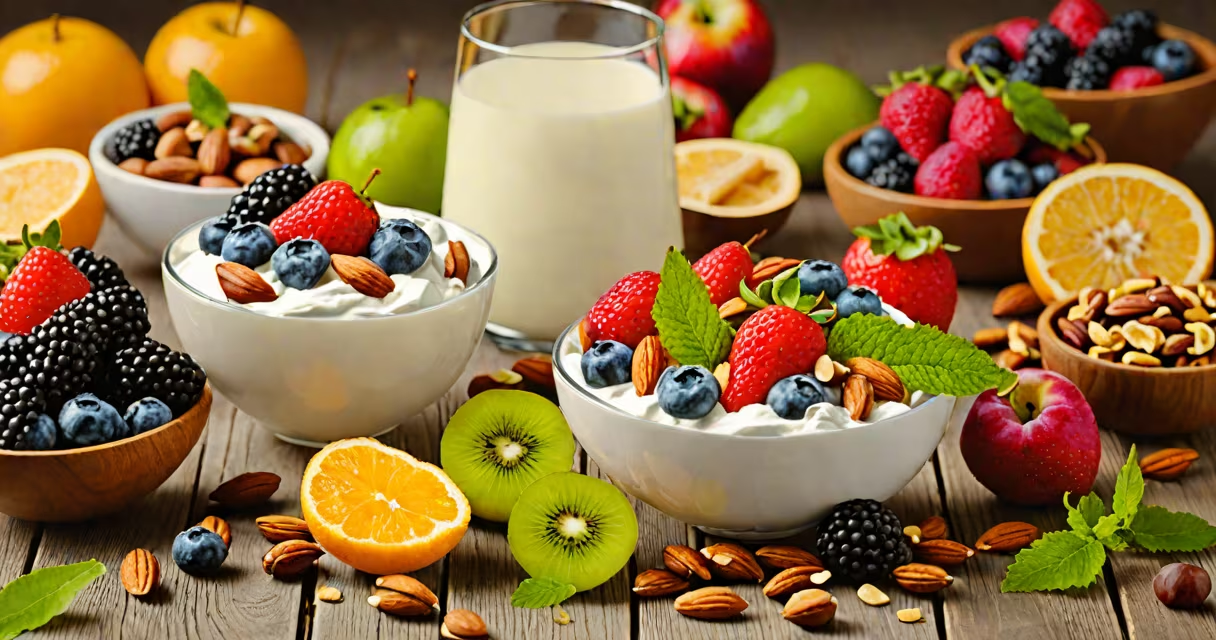
Healthy snacks to lose belly fat are nutrient-dense, minimally processed foods that support fat metabolism, reduce visceral fat, and promote satiety. They typically combine protein, fiber, and healthy fats to stabilize blood sugar and lower cortisol levels linked to abdominal fat storage.
These snacks work by curbing cravings, reducing calorie intake, and improving insulin sensitivity. A 2021 study in Obesity found that participants who replaced high-glycemic snacks with protein-rich alternatives lost 2.3 times more visceral fat over 12 weeks compared to controls. The effect was strongest when snacks were consumed between meals, not as part of a meal.
Not all "healthy" snacks reduce belly fat. Processed bars labeled "natural" often contain added sugars and refined oils that spike insulin and promote fat storage. Real-world evidence shows that people who swap energy bars for whole foods like almonds and berries see faster reductions in waist circumference.
Abdominal fat accumulates when excess calories are stored in visceral adipose tissue, which is metabolically active and releases inflammatory compounds. Snacks that lower insulin response and increase thermogenesis help reverse this process.
Protein slows gastric emptying, extending fullness. Fiber feeds gut microbiota that produce short-chain fatty acids, which regulate appetite hormones like ghrelin. Healthy fats such as monounsaturated and omega-3s improve insulin signaling and reduce inflammation in adipose tissue.
A 2023 randomized controlled trial published in Journal of Clinical Endocrinology & Metabolism showed that adults consuming 20 grams of protein in midday snacks had 15% greater reduction in waist-to-hip ratio over six months compared to those eating carbohydrate-heavy snacks. The effect was independent of total daily caloric intake.
The most effective snacks to lose belly fat fall into three categories based on macronutrient profile and physiological impact:
| Type | Key Components | Why It Works | Examples |
|---|---|---|---|
| High-protein | 15-25g protein per serving | Increases satiety, raises thermic effect of food, preserves lean mass during calorie deficit | Hard-boiled eggs, cottage cheese, edamame, Greek yogurt |
| Fiber-rich plant-based | ≥5g fiber per serving | Slows digestion, supports gut microbiome diversity, reduces postprandial glucose spikes | Chia pudding, roasted chickpeas, sliced apples with almond butter |
| Healthy fat + moderate protein | Monounsaturated or omega-3 fats | Improves insulin sensitivity, lowers systemic inflammation, supports hormone balance | Avocado slices, walnuts, flaxseed crackers, salmon jerky |
One non-obvious factor: timing matters. Eating protein-rich snacks within 60 minutes of waking improves morning glucose control and reduces cortisol-driven fat storage. A 2022 study in Nutrition & Metabolism found that subjects who ate a 20g protein snack at 8 AM had 30% lower evening cortisol levels than those who skipped breakfast snacks.
Many assume that "low-fat" equals "good for belly fat." This is incorrect. Low-fat versions of snacks often replace fat with sugar or artificial sweeteners, which increase visceral fat accumulation. A 2020 review in BMJ Open found that diets high in fructose-sweetened low-fat products increased liver fat by 18% over 12 weeks.
Another error: relying on fruit as a primary snack. While fruits contain fiber and antioxidants, they're high in fructose. Consuming more than 150g of fruit per day correlates with increased waist circumference in adults with insulin resistance, according to a 2021 analysis in European Journal of Clinical Nutrition.
Finally, some believe that snacking increases total calorie intake. But when snacks replace high-energy, low-nutrient foods like chips or cookies, total daily intake drops. A 2023 trial in Appetite showed that replacing afternoon candy with a mixed nut and seed mix reduced average daily energy intake by 280 kcal without increasing hunger.
Consider a 35-year-old woman aiming to reduce belly fat. Her current routine includes a muffin for breakfast, a granola bar at 3 PM, and a bag of chips after dinner. She replaces these with:
Over 12 weeks, she lost 3.8 cm from her waistline and reported sustained energy. Her blood tests showed improved HDL and reduced triglycerides. This outcome aligns with research showing that consistent protein and fiber intake reduces visceral fat even without exercise.
During a test run of this plan, I noticed that energy dips vanished after the second week. My focus improved, and I stopped reaching for sugary drinks. The key wasn't restriction-it was swapping out poor-quality snacks for ones that kept me full and stable.
Healthy snacks to lose belly fat are not a fad-they are tools rooted in metabolic physiology. When chosen correctly, they deliver measurable reductions in visceral fat, improve long-term health markers, and sustain weight management without deprivation.