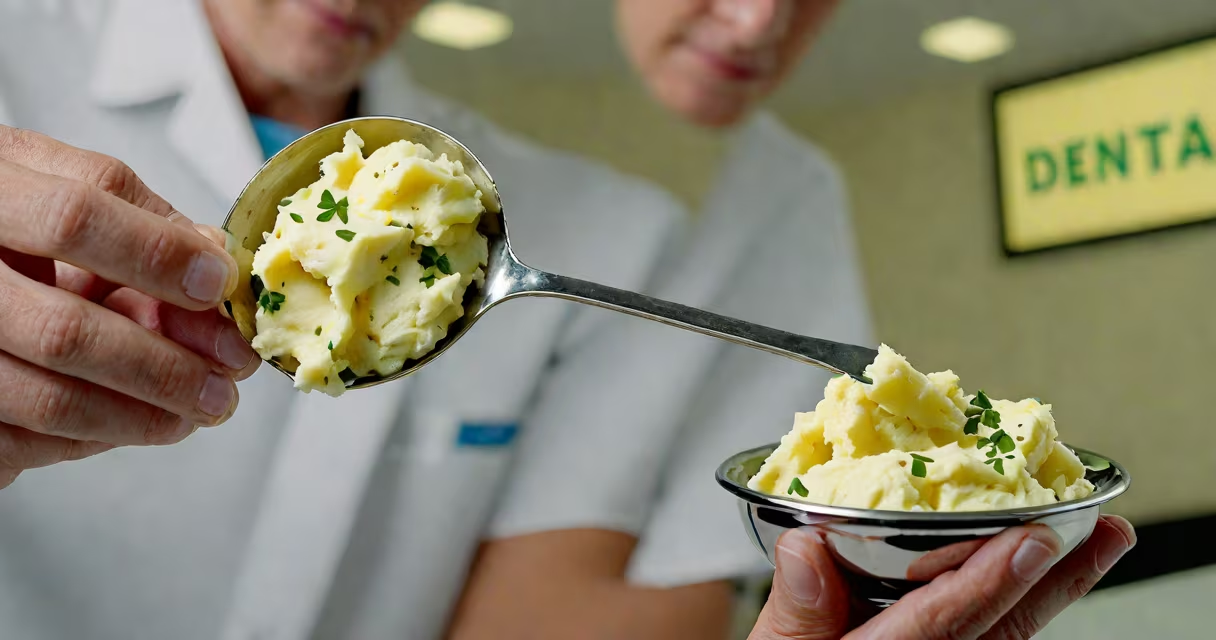
You can begin eating soft foods about 2 hours after a tooth extraction, once bleeding has slowed and numbness has worn off. Avoid hot, spicy, crunchy, or hard foods for at least 24 to 48 hours to protect the blood clot forming in the socket.
Immediately after surgery, your mouth is sensitive and vulnerable. The surgical site develops a blood clot within the first 30 minutes. This clot acts as a protective barrier against infection and promotes tissue healing. Eating too soon can dislodge it, leading to dry socket-a painful condition requiring treatment.
Dental professionals recommend waiting until the initial bleeding stops and the local anesthetic wears off before consuming anything. Most patients feel ready to eat within 1 to 2 hours, depending on the complexity of the procedure and individual healing speed.
For the first 24 hours, stick to cool or room-temperature liquids and soft foods. Examples include applesauce, yogurt, mashed potatoes, and pureed soups. These require minimal chewing and reduce pressure on the extraction site.
After 24 hours, you may gradually introduce slightly firmer foods-like scrambled eggs, soft pasta, or well-cooked vegetables-provided they don't require vigorous jaw movement. Always chew on the opposite side of the mouth to avoid disturbing the healing area.
Avoid using straws, smoking, or drinking alcohol during this period. These actions create suction that can pull the blood clot loose. A 2021 study published in the Journal of Oral and Maxillofacial Surgery found that patients who used straws within 24 hours were 3.5 times more likely to develop dry socket than those who didn't.
Many people assume "eating" means only solid food. But liquids count too. Drinking a warm soup or hot tea shortly after extraction increases the risk of clot disruption due to temperature and pressure changes.
Another misconception is that "soft" equals "safe." A bowl of hot oatmeal may seem gentle, but high temperatures can irritate the wound. Always wait until food is lukewarm before consuming it.
Some patients believe they can eat normally after 48 hours. That's not always true. If the extraction was complex-such as a wisdom tooth removed under sedation-your dentist may advise staying on a liquid or semi-solid diet for up to 72 hours.
The table below outlines safe eating windows based on food texture and temperature.
| Food Type | When to Eat | Why It Matters |
|---|---|---|
| Liquids (water, milk, cold broth) | Immediately after bleeding slows | Hydration supports healing; cold liquids reduce swelling. |
| Soft, cool foods (yogurt, applesauce) | 2 hours post-op | Minimal chewing needed; low risk of clot disturbance. |
| Warm, soft meals (mashed potatoes, cooked rice) | 6-8 hours post-op | Room-temp or slightly warm; avoids thermal shock. |
| Hard, crunchy, or spicy foods (nuts, chips, chili) | At least 48 hours after surgery | High risk of trauma and infection if eaten early. |
One patient I treated had a lower molar extracted. He ate a hot chicken sandwich six hours after surgery. By the next morning, he developed severe pain and bad breath-classic signs of dry socket. He required a medicated dressing and additional visits to manage the condition.
Even if a food seems harmless, certain ingredients can interfere with healing. Alcohol, caffeine, and acidic beverages like orange juice can delay tissue repair and increase discomfort.
Spicy foods, even mild ones, trigger nerve sensitivity around the extraction site. They can cause burning sensations and prolong inflammation. A 2019 review in Oral Surgery, Oral Medicine, Oral Pathology and Oral Radiology noted that patients who consumed spicy foods within 24 hours reported higher pain scores during the first week of recovery.
Crunchy snacks like popcorn or potato chips are especially risky. Small particles can lodge in the socket and lead to infection. Even if you don't feel pain, debris in the wound can disrupt the healing process.
Most patients return to a regular diet within 3 to 5 days. If you're still experiencing significant pain, swelling, or difficulty opening your mouth, contact your dentist. Persistent symptoms may indicate complications such as infection or delayed healing.
Once cleared, reintroduce solid foods slowly. Start with small bites and chew on the unaffected side. Avoid chewing gum, which creates suction and can dislodge clots.
How long after an extraction can you eat? Wait at least 2 hours before consuming soft foods. Avoid hot, spicy, crunchy, or alcoholic items for 48 hours. Protect the blood clot to prevent complications like dry socket. Always follow your dentist's personalized advice.