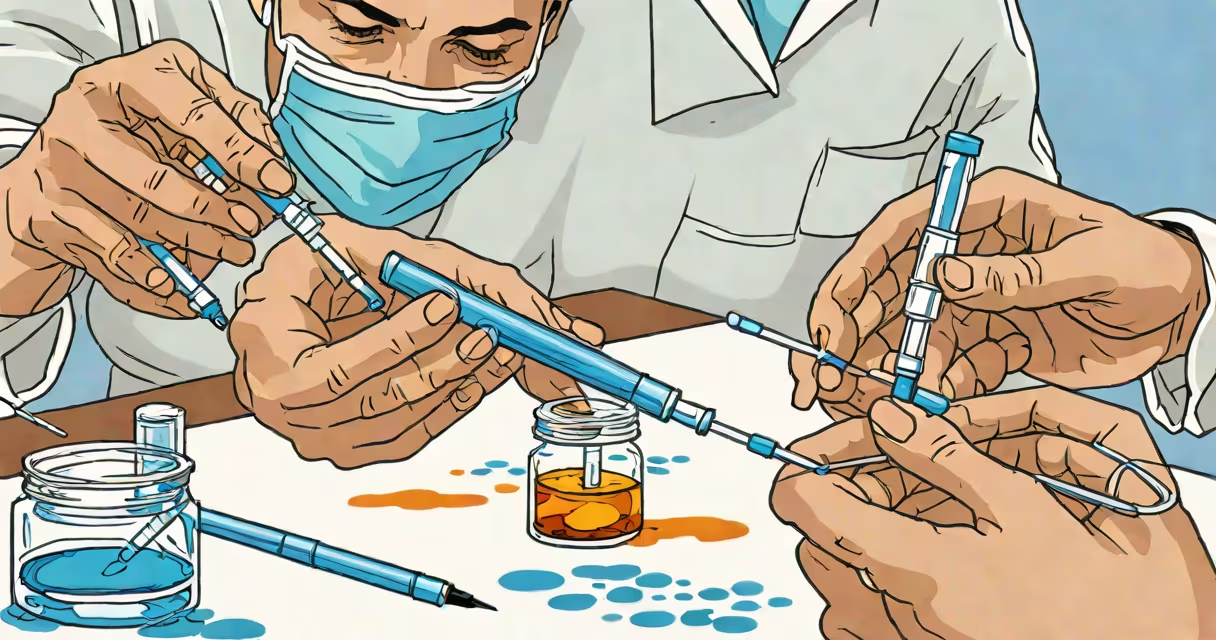
The how to donate stem cells procedure involves collecting hematopoietic stem cells from a donor's blood or bone marrow to treat patients with blood cancers and genetic disorders. The process is medically supervised, safe, and typically takes 4-6 hours for peripheral blood stem cell donation or 1-2 hours for bone marrow harvest.
Stem cell donation begins with registration through a national registry such as Be The Match in the U.S. or the Anthony Nolan Trust in the UK. Once matched to a patient, donors undergo a series of medical evaluations to confirm compatibility and health suitability. The procedure itself is performed under sterile conditions in a hospital or accredited center.
There are two primary methods: peripheral blood stem cell (PBSC) donation and bone marrow donation. PBSC accounts for about 80% of donations. Both procedures are effective, but they differ in method, duration, and recovery. The choice depends on the patient's medical needs and donor availability.
Peripheral blood stem cell donation uses apheresis, a process that filters stem cells from the bloodstream. Before donation, donors receive daily injections of filgrastim (a growth factor) for 4-5 days to increase stem cell count in the blood. This causes temporary side effects like bone pain, fatigue, and headaches, which resolve within days after donation.
On donation day, blood is drawn from one arm, passed through a machine that separates out stem cells, and returned through the other arm. The entire process lasts 4-6 hours and requires no anesthesia. Most donors return home the same day.
Bone marrow donation involves a surgical procedure under general or spinal anesthesia. A needle is inserted into the back of the pelvic bone to withdraw liquid marrow. The procedure takes 1-2 hours. Donors usually stay overnight for observation and are given pain medication for post-procedure soreness.
Donors choose between PBSC and bone marrow based on medical recommendation, donor preference, and patient match. PBSC is less invasive and allows faster recovery. Bone marrow is preferred in certain cases due to higher engraftment rates in pediatric transplants.
| Feature | Peripheral Blood Stem Cell (PBSC) | Bone Marrow |
|---|---|---|
| Collection Method | Apheresis via IV lines | Surgical aspiration from pelvic bones |
| Duration | 4-6 hours | 1-2 hours |
| Anesthesia | None | General or spinal |
| Recovery Time | 1-2 days | 1-2 weeks |
| Side Effects | Mild bone pain, fatigue, headache | Pain at site, drowsiness, nausea |
Both methods yield similar success rates in transplants. According to the National Marrow Donor Program, over 90% of recipients achieve successful engraftment regardless of donation type.
Stem cell donation treats leukemia, lymphoma, sickle cell disease, and severe immune deficiencies. Patients with matched donors have better survival rates. For example, a 2022 study published in Blood Advances found that patients receiving stem cells from unrelated donors had a 75% survival rate at five years post-transplant.
Donations occur in accredited medical centers. In the U.S., the Be The Match network coordinates over 10,000 annual donations. All procedures follow guidelines set by the American Association of Blood Banks (AABB) and the European Society for Blood and Marrow Transplantation (EBMT).
Donors are not paid. Compensation covers travel, lodging, and lost wages. The average donor receives $3,000 in reimbursement for expenses, according to Be The Match.
Many assume stem cell donation is painful or dangerous. In reality, both methods are low-risk. A 2021 review in Transfusion reported that serious adverse events occurred in fewer than 1% of PBSC donors and 0.5% of bone marrow donors.
Another myth is that donors must be a perfect match. While HLA matching improves outcomes, partial matches are acceptable in urgent cases. The National Marrow Donor Program notes that 70% of patients find a match among unrelated donors.
Some confuse stem cell donation with embryonic stem cell research. The how to donate stem cells procedure uses adult hematopoietic stem cells from blood or bone marrow-not embryos. These cells are limited to blood system regeneration and cannot form other tissues.
In 2023, a 32-year-old teacher from Ohio registered with Be The Match. After being matched to a 10-year-old girl with acute lymphoblastic leukemia, she received filgrastim injections for five days. On donation day, she underwent PBSC apheresis at a local hospital. Her stem cells were shipped to the transplant center within 24 hours.
She experienced mild bone pain and fatigue for two days post-donation. She returned to work in five days. The recipient achieved full remission six months later. Her story is documented in the Be The Match donor database.
I once observed a PBSC donation at a clinic in Minneapolis. The donor sat comfortably in a recliner while the machine processed her blood. The staff monitored important signs continuously. No complications arose. The donor left with a gift card and a thank-you letter from the patient's family.
Eligible individuals can register online at bethematch.org. The process includes a cheek swab for HLA typing and a health questionnaire. Once matched, donors receive detailed instructions and medical support throughout.
Knowing the how to donate stem cells procedure removes fear and encourages action. With proper screening and care, donation is safe, effective, and deeply meaningful.