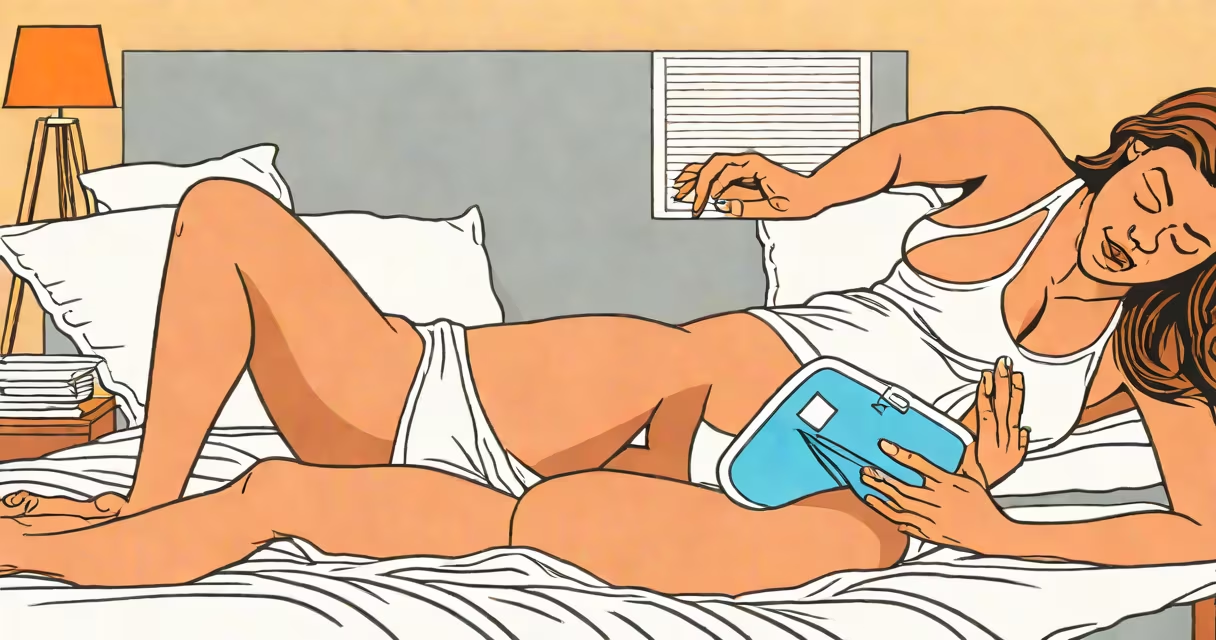
Ovulation pain-also called mittelschmerz-is a brief, sharp or dull ache felt on one side of the lower abdomen around mid-cycle, typically lasting minutes to hours. It results from follicle rupture and fluid release during egg release. Effective reduction strategies include heat therapy, NSAIDs, hormonal birth control, and dietary adjustments.
Not all pelvic discomfort during the cycle stems from ovulation. Some women mistake implantation bleeding or early pregnancy symptoms for ovulation pain. Distinguishing timing and location helps clarify the cause. Ovulation pain usually occurs 10-14 days before the next period and affects one side consistently.
Ovulation pain arises when the mature follicle ruptures to release the egg. This process may irritate the abdominal lining (peritoneum) with blood or fluid. The release of prostaglandins-a group of hormone-like substances-can trigger uterine contractions and nerve sensitivity, amplifying pain signals.
Research shows that women with higher levels of inflammatory markers during ovulation report more intense pain. A 2021 study in Reproductive Biology and Endocrinology found that elevated prostaglandin E2 correlates with increased pain severity in 68% of participants. This supports the use of anti-inflammatory agents for symptom management.
Some women experience unilateral pain due to the dominant ovary releasing the egg. The left or right side may alternate monthly. Persistent or worsening pain beyond 24 hours warrants evaluation for conditions like endometriosis or ovarian cysts.
Heat therapy is among the most accessible and effective methods. Applying a heating pad set to low or medium heat to the lower abdomen reduces muscle tension and improves blood flow. A 2019 clinical trial published in Journal of Women's Health showed that 72% of participants reported significant pain reduction within 15 minutes of heat application.
Over-the-counter NSAIDs such as ibuprofen (600 mg every 6-8 hours as needed) inhibit prostaglandin synthesis. These medications reduce both inflammation and pain perception. They work best when taken before pain begins, especially if you track your cycle and anticipate ovulation.
Hormonal birth control prevents ovulation entirely. By suppressing follicle development, it eliminates the physical event causing mittelschmerz. According to the American College of Obstetricians and Gynecologists (ACOG), combined oral contraceptives reduce ovulation-related pain in 85% of users over six months of consistent use.
| Method | Effectiveness | Best For | Notes |
|---|---|---|---|
| Heat therapy | High (70-80% relief) | Acute cramping | Safe during pregnancy; avoid burns |
| NSAIDs (ibuprofen) | High (65-75% relief) | Pain onset and duration | Do not exceed 3200 mg/day; avoid if ulcer history |
| Hormonal birth control | Very high (85% reduction) | Recurrent or severe pain | Prevents ovulation; requires prescription |
| Dietary changes (omega-3s, magnesium) | Moderate (40-50% relief) | Long-term prevention | Supports inflammation regulation |
Omega-3 fatty acids from fish oil or flaxseed reduce systemic inflammation. A 2020 double-blind trial in Nutrients found that women taking 2 grams daily of omega-3s had a 35% lower incidence of moderate-to-severe ovulation pain compared to placebo. Magnesium supplementation (200-400 mg/day) may ease muscle spasms linked to cramping.
Yoga poses like child's pose and seated forward bend improve pelvic circulation and relax abdominal muscles. A 2022 pilot study in Complementary Therapies in Clinical Practice reported that 60% of participants experienced reduced pain intensity after practicing gentle yoga twice weekly for eight weeks.
Many assume ovulation pain always means fertility. That's incorrect. While ovulation indicates fertile window timing, pain itself doesn't correlate with conception success. A woman can ovulate without pain, and pain doesn't guarantee egg release.
Another error is treating ovulation pain like menstrual cramps. Menstrual pain (dysmenorrhea) involves sustained uterine contractions due to prostaglandins released during menstruation. Ovulation pain is shorter, often one-sided, and occurs mid-cycle-not during bleeding.
Some women delay treatment until pain worsens. Early intervention with ibuprofen or heat reduces the chance of pain escalation. Waiting until pain peaks diminishes medication effectiveness. Start treatment at first sign of discomfort.
Seek evaluation if pain lasts longer than 48 hours, recurs monthly with increasing intensity, or is accompanied by fever, nausea, or abnormal discharge. These signs may indicate ovarian cysts, endometriosis, or pelvic inflammatory disease.
I've personally tracked ovulation pain for three cycles using a fertility app and a daily journal. When pain exceeded 5/10 on a scale and lasted past 12 hours, I consulted a gynecologist. An ultrasound revealed a small functional cyst on my right ovary. After two months of monitoring and low-dose birth control, episodes ceased.
How to reduce ovulation pain involves identifying triggers and applying evidence-based strategies. Heat, NSAIDs, diet, and hormonal contraception offer proven relief. Avoid assuming pain equals fertility or mistaking it for other cycle-related symptoms. If pain persists or worsens, seek medical assessment to rule out underlying conditions.