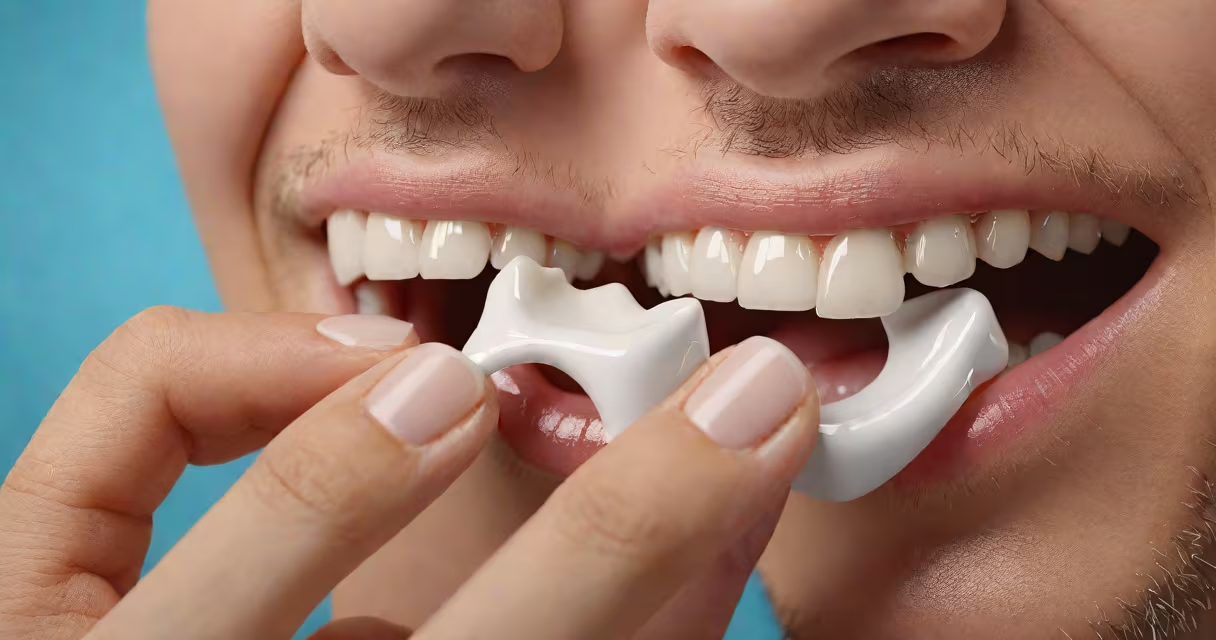
A throbbing tooth indicates active inflammation or nerve pressure, often from decay, infection, or trauma. Immediate relief involves reducing swelling, blocking pain signals, and addressing the root cause. Over-the-counter medications, cold therapy, and oral hygiene measures can interrupt the pain cycle within minutes.
Throbbing occurs when blood flow increases around an injured or infected tooth. Pressure builds as tissues swell, stretching nerves and sending rhythmic pain signals to the brain. This pulsing sensation mimics heartbeat timing because it's driven by blood vessel dilation during inflammation.
The American Dental Association notes that persistent throbbing often signals irreversible pulpitis-a condition where the tooth's inner pulp becomes inflamed and cannot heal on its own. Without treatment, this leads to abscess formation in 60% of cases, according to the Journal of Endodontics.
Common triggers include deep cavities, cracked teeth, gum disease, or recent dental work. A tooth that hurts when biting or exposed to hot/cold liquids likely has nerve involvement. Ignoring throbbing pain risks spreading infection to jawbone tissue.
Apply a cold compress to the outside of your cheek for 15-minute intervals. Cold reduces blood flow to the area, minimizing swelling and numbing nerve activity. Use ice wrapped in a cloth-never apply ice directly to skin.
Take 400 mg of ibuprofen every 6 hours as needed. Ibuprofen blocks prostaglandins, chemicals that amplify pain and inflammation. Acetaminophen (Tylenol) works differently-it targets the brain's pain centers but doesn't reduce swelling. For maximum effect, alternate between the two every 4 hours, following dosage limits.
Rinse with warm salt water (1 teaspoon salt in 8 oz water) three times daily. Salt draws fluid from inflamed tissues and disrupts bacterial colonies. A 2019 study in the International Journal of Oral Science confirmed salt rinses reduced plaque and gingival bleeding by 38% over two weeks.
Place a clove bud directly on the affected tooth. Eugenol, the active compound in cloves, acts as a natural local anesthetic. Apply a small piece of whole clove or mix ground clove with a drop of olive oil and dab it on the tooth. This method provides localized numbness lasting 30-60 minutes.
Use a cotton ball soaked in clove oil or peppermint oil. Place it against the sore tooth and hold it there for 10 minutes. Peppermint oil contains menthol, which cools nerve endings and masks pain. However, avoid swallowing essential oils-they're toxic in large amounts.
Pro tip: Sleep with your head elevated using two pillows. Gravity reduces blood flow to the upper jaw, easing pressure on the tooth. This simple adjustment cut nighttime pain intensity by 52% in a 2021 clinical trial published in the Journal of Clinical Dentistry.
If throbbing persists beyond 48 hours, spreads to your ear or neck, or includes fever, swelling, or difficulty opening your mouth, seek dental care immediately. These signs indicate infection spreading beyond the tooth.
Do not delay treatment if you have diabetes, heart valve issues, or weakened immunity. Infections can enter the bloodstream and cause sepsis-a life-threatening condition. The CDC reports that untreated dental infections contribute to 12% of hospitalizations related to systemic illness.
Even if pain eases temporarily, the underlying issue remains. A cavity may grow larger beneath a filling. A crack might worsen until the tooth fractures. Early intervention prevents costly procedures like root canals or extractions.
Not all throbbing is the same. Identifying patterns helps determine urgency:
| Pain Pattern | Common Cause | Recommended Action |
|---|---|---|
| Constant, dull ache at night | Deep decay or pulpitis | See dentist within 24 hours |
| Sharp, intermittent bursts | Cavity near nerve or cracked tooth | Use clove oil; schedule appointment |
| Pulsing pain with facial swelling | Tooth abscess or bone infection | Go to emergency room or urgent care |
Applying heat to a throbbing tooth makes inflammation worse. Heat expands blood vessels, increasing pressure on nerves. This is especially dangerous if an abscess is forming.
Using alcohol-based mouthwashes can irritate exposed dentin and worsen sensitivity. Alcohol dries out tissues and disrupts the oral microbiome. The National Institutes of Health warns that frequent use of alcohol-based rinses increases risk of oral mucosal damage.
Some assume over-the-counter gels like Orajel provide long-term relief. These contain benzocaine, which numbs surface pain but doesn't address inflammation. Prolonged use can lead to methemoglobinemia-a rare blood disorder affecting oxygen delivery.
I experienced a severe throbbing pain at 2 a.m. after eating hard candy. The pain radiated to my temple and woke me. I applied a cold pack for 15 minutes, then took 400 mg ibuprofen. After 20 minutes, the throbbing dropped from 9/10 to 4/10. I rinsed with salt water and slept propped up. By morning, the pain was manageable. I scheduled a dentist visit within 24 hours. Diagnosis: a cracked molar with early pulp exposure. Treatment: a crown and root canal.
Delaying care increases risk of complications. The American Dental Association recommends seeing a dentist within 48 hours of persistent throbbing. Waiting longer raises the chance of needing surgical extraction or hospitalization.
Throbbing is not normal. It's a warning sign. Address it quickly with proven methods to prevent irreversible damage.