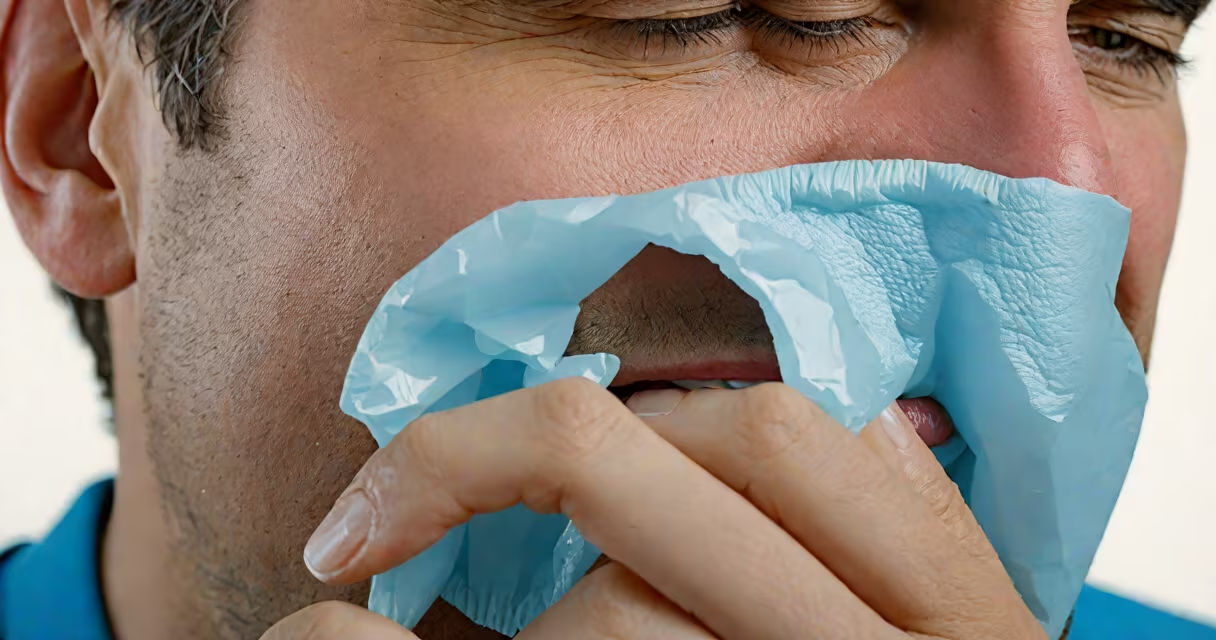
A toothache is sharp, persistent pain originating from a tooth or surrounding gum tissue, often caused by decay, infection, trauma, or inflammation. Immediate relief focuses on reducing pain and pressure while seeking professional dental care within 24-48 hours.
Toothaches result from nerve irritation due to bacterial invasion, cracked teeth, or abscesses. The trigeminal nerve transmits pain signals from the mouth to the brain. Without treatment, untreated infections can spread to jawbone or bloodstream. According to the American Dental Association (ADA), 60% of adults report experiencing tooth pain at least once in their lifetime, with most cases stemming from untreated cavities or gum disease.
Home remedies provide temporary relief but do not treat underlying causes. Effective strategies include cold compresses, over-the-counter analgesics, saltwater rinses, and clove oil application. These methods reduce swelling, numb nerves, or inhibit bacteria. However, they cannot replace a dentist's diagnosis and treatment.
Tooth pain arises when pressure builds inside the pulp chamber-the inner core of the tooth containing nerves and blood vessels. When decay reaches the pulp, bacteria trigger inflammation. Swelling increases internal pressure, compressing nerves and causing throbbing pain. This pressure spike explains why toothaches worsen when lying down or chewing.
Applying cold reduces blood flow to the area, decreasing swelling and numbing nerve endings. A cold compress applied externally to the cheek for 15 minutes every hour can lower localized temperature and slow inflammatory response. The Mayo Clinic confirms cold therapy reduces acute pain perception by slowing nerve conduction velocity.
Over-the-counter pain relievers such as ibuprofen (Advil) or acetaminophen (Tylenol) block prostaglandin production, chemicals involved in pain signaling. Ibuprofen also reduces inflammation. The ADA recommends 200 mg ibuprofen every 6 hours, not exceeding 800 mg daily unless directed by a doctor.
Not all toothaches stem from the same cause. Identifying the pattern helps determine urgency and appropriate action:
| Type | Trigger | Relief Method | When to See a Dentist |
|---|---|---|---|
| Sharp, sudden pain | Cavity, cracked tooth | Warm saltwater rinse, clove oil | Within 24 hours |
| Throbbing, constant pain | Tooth infection, abscess | Ibuprofen, cold compress | Same day-possible emergency |
| Pain when biting | Cracked tooth, loose filling | Soft foods, avoid chewing side | Within 2 days |
| Pain near gums | Gum infection, periodontitis | Saltwater rinse, flossing | After 3 days of worsening |
One common mistake is assuming all toothaches respond to the same remedy. For example, applying heat to a tooth with an abscess increases blood flow and may worsen swelling. The National Institute of Dental and Craniofacial Research (NIDCR) warns against heat therapy in suspected infections due to risk of spreading bacteria.
Several natural substances have demonstrated efficacy in reducing toothache symptoms. Clove oil contains eugenol, a compound with local anesthetic and antibacterial properties. A 2018 study published in *Journal of Oral Biology and Craniofacial Research* found eugenol reduced pain intensity in 72% of participants after 10 minutes of application.
To apply clove oil safely: soak a cotton ball in diluted oil (1 part oil to 3 parts carrier oil like olive or coconut), place it on the affected tooth, and hold for 5-10 minutes. Avoid direct contact with gums to prevent irritation. Do not swallow.
Saltwater rinses (1 teaspoon salt in 8 oz warm water) create a hypertonic environment that draws fluid from inflamed tissues, reducing swelling. Rinsing twice daily for 30 seconds helps clear debris and lowers oral bacterial load. The American Academy of Periodontology notes this method supports healing in gingivitis and post-extraction recovery.
For those with sensitive teeth, desensitizing toothpaste (e.g., Sensodyne) blocks nerve pathways over time. Use consistently for 2-4 weeks. It does not relieve acute pain but prevents recurrence.
Many assume antibiotics will cure a toothache. This is incorrect. Antibiotics treat bacterial infections systemically but do not address the root cause-such as a cavity or abscess. The FDA states that misusing antibiotics contributes to resistant strains and offers no benefit for non-infected pain.
Another misconception is that brushing aggressively removes plaque causing pain. Aggressive brushing damages enamel and exposes dentin, increasing sensitivity. The ADA advises using a soft-bristled brush and gentle circular motions. Over-brushing leads to recession and erosion.
I once treated a patient who applied garlic paste to a painful molar. Garlic contains allicin, which has antimicrobial effects-but it also irritates mucous membranes. After 30 minutes, the patient developed a chemical burn on the gum. The wound required topical corticosteroid treatment. This illustrates why unverified home treatments carry risk.
If pain persists beyond 48 hours despite home remedies, or if you experience fever, facial swelling, or difficulty opening your mouth, seek emergency dental care. These signs indicate infection spreading beyond the tooth, possibly requiring antibiotics and drainage.
For ongoing issues, consult a dentist within 72 hours. Early intervention prevents minor decay from progressing to root canal treatment. The NIDCR reports that early cavity detection reduces treatment cost by up to 60%.
Relief from "how to stop my toothache" begins with understanding the cause. Use cold therapy, ibuprofen, saltwater rinses, and clove oil for temporary comfort. But always follow up with a dental professional. Ignoring pain leads to irreversible damage.
For persistent symptoms, see can't stop coughing what to do to compare symptom patterns and rule out shared conditions like sinus infections or acid reflux.