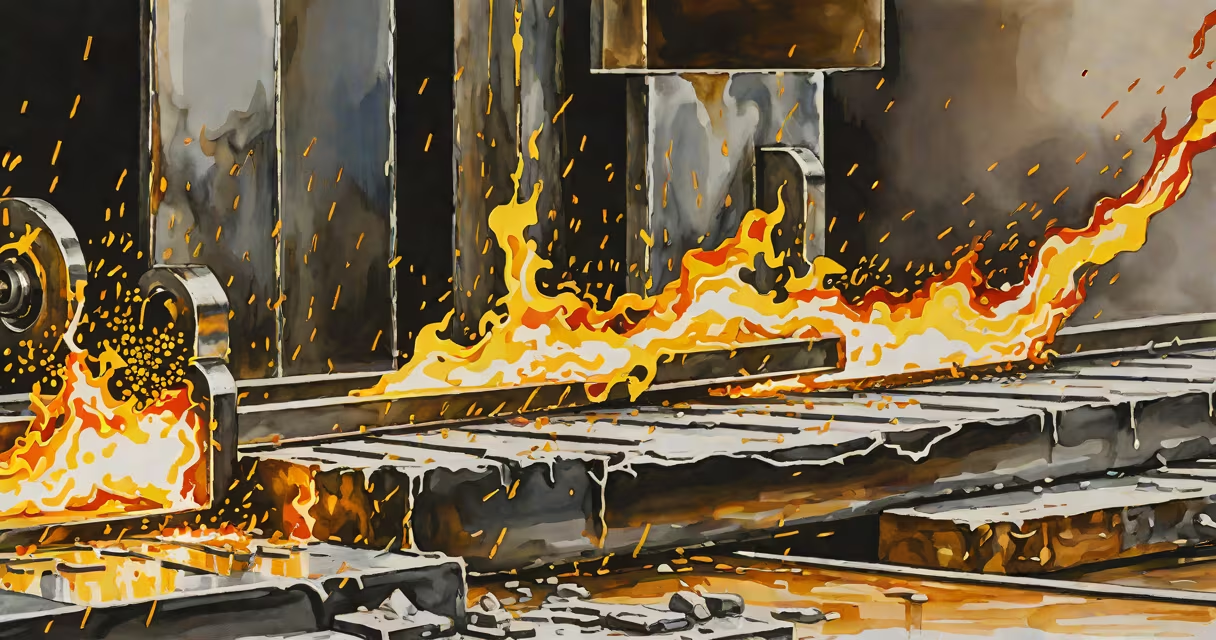
In arc cutting, the electric arc generates enough thermal energy to melt the metal directly. This high-intensity plasma arc, formed between a conductive electrode and the workpiece, reaches temperatures exceeding 20,000°C-hotter than the surface of the sun-and melts the material along the cut path.
Plasma cutting relies on a compressed gas (like nitrogen, oxygen, or air) forced through a narrow nozzle. When an electrical arc passes through this gas, it ionizes it, turning it into plasma-a superheated state of matter. The resulting plasma jet delivers concentrated heat that melts the metal, while the high-velocity gas blows the molten material out of the kerf.
The key misconception is that the gas melts the metal. It doesn't. The gas only serves as a medium to carry and focus the arc. The actual melting comes entirely from the arc's thermal energy. Without the arc, even high-pressure gas cannot cut metal-it simply blows hot air.
The electric arc forms when a voltage difference exists between the electrode inside the torch and the workpiece. A pilot arc initiates the connection, then the main arc transfers to the metal. Once established, the arc conducts current through the ionized gas, creating a continuous plasma column.
This plasma column heats the metal rapidly. For mild steel, the melting point is around 1,370°C. The arc exceeds this threshold within milliseconds. As the torch moves, the arc continuously melts new material ahead of the cut, while the gas removes the molten debris.
A 40-amp plasma system can generate a 10,000°C plasma jet. At this temperature, metals like steel, aluminum, and stainless steel reach their liquid state almost instantly. The cutting speed depends on thickness, amperage, and gas type-but the arc remains the sole source of melting energy.
Plasma systems differ by power source and control method. The most common types are air, oxygen, and nitrogen-based systems, each suited to specific materials and applications.
| System Type | Gas Used | Best For | Typical Cut Speed (1/4" steel) |
|---|---|---|---|
| Standard Air Plasma | Compressed air | Mild steel up to 1 inch | 6-8 inches per minute |
| Oxygen Plasma | Oxygen | Thicker mild steel, faster cuts | 10-15 inches per minute |
| Nitrogen Plasma | Nitrogen | Aluminum, stainless steel | 4-6 inches per minute |
For example, a 10,000-watt oxygen plasma cutter can slice through 1-inch mild steel at 12 inches per minute. The arc melts the metal, and the oxygen reacts exothermically with the iron, adding extra heat-this is called "oxidation assist." But the initial melt still comes from the arc.
Non-oxidizing gases like nitrogen are used for materials sensitive to oxidation, such as aluminum or stainless steel. These systems rely solely on arc energy to melt the metal, avoiding discoloration or contamination.
Many assume the gas-not the arc-is responsible for melting. This is incorrect. The gas only transports the plasma and clears molten material. Even a high-pressure air jet won't cut steel without the arc.
Another myth is that the electrode wears out because it touches the metal. In reality, the electrode never makes contact. The arc forms in the gap between the electrode and the workpiece, typically 0.1 to 0.2 inches apart. Physical contact causes arcing damage and shortens electrode life.
A lesser-known fact: the arc's stability depends on the correct gas flow rate. Too little gas results in poor plasma formation. Too much disrupts the arc column, reducing cutting efficiency. According to the American Welding Society (AWS), improper gas flow accounts for 35% of failed cuts in industrial settings.
Consider a construction site cutting 3/8-inch mild steel beams for a bridge frame. A technician uses a 40-amp air plasma cutter. The machine powers on, and a pilot arc ignites between the electrode and the workpiece. The main arc transfers, and the plasma jet begins to melt the steel.
As the torch moves at 6 inches per minute, the arc melts a 0.1-inch-wide groove. The compressed air blasts the molten metal downward, leaving a clean, vertical kerf. The cut edge shows minimal dross-residual molten material-because the arc's focused heat prevents overheating.
After 10 seconds, the beam is severed. The arc melted the metal; the gas cleared the debris. No mechanical force was involved. The entire process relied on the arc's thermal energy.
Some think the electrode or nozzle erodes due to metal splatter. While wear occurs, it's not from molten metal hitting the parts. Instead, the electrode degrades from ion bombardment and high heat. The nozzle wears from abrasion caused by the high-speed gas stream.
For example, a standard copper electrode lasts about 100 hours under normal conditions. After that, performance drops-cut quality degrades, and the arc becomes unstable. Replacing the electrode restores cutting efficiency.
Understanding this helps prevent misuse. Using a worn electrode leads to inconsistent cuts and increased downtime. Regular maintenance ensures the arc maintains peak energy output.
The electric arc is the only component that melts the metal in arc cutting. Gas, electrodes, and nozzles support the process, but none generate the heat required for melting. The arc's temperature-over 20,000°C-makes it capable of melting any common metal in seconds.
When troubleshooting poor cuts, check the arc first. Low amperage, incorrect gas flow, or worn consumables can degrade arc performance. Always verify the arc is stable and focused before assuming the material is too thick or hard.