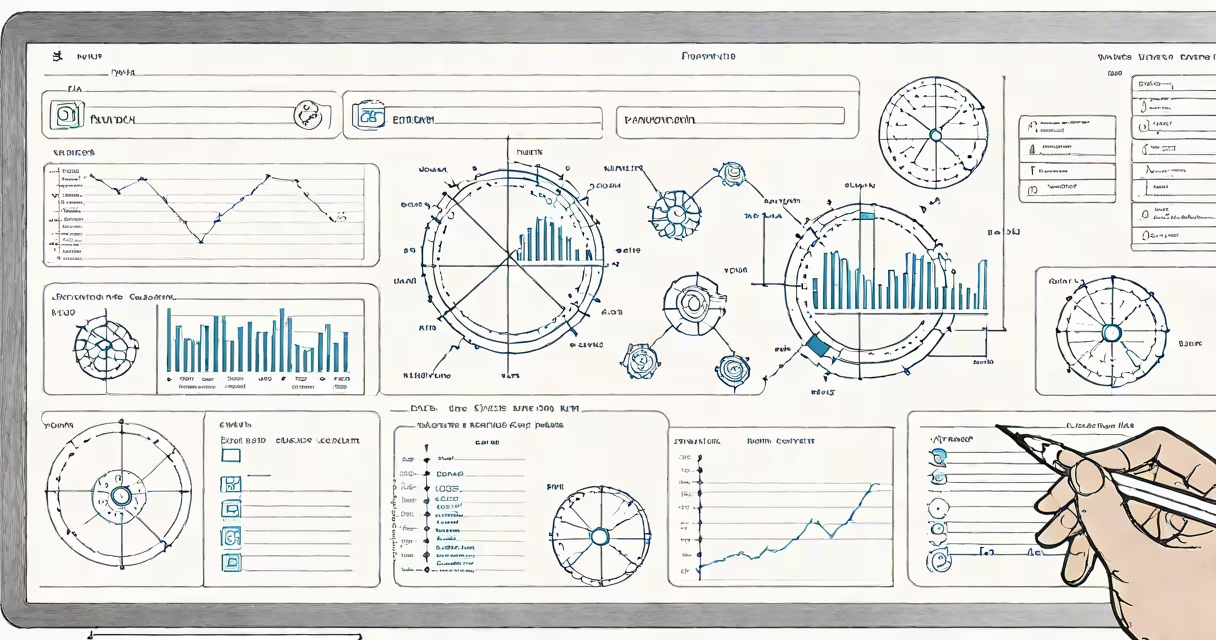
HRIS stands for Human Resource Information System-a centralized digital platform that collects, manages, and analyzes employee data across recruitment, payroll, benefits, performance reviews, and compliance. It replaces paper files and disconnected spreadsheets with a single source of truth for workforce information.
Modern HRIS platforms integrate with payroll providers, time-tracking tools, and performance management systems. They automate routine tasks such as leave requests, onboarding workflows, and tax reporting. A well-implemented HRIS reduces manual errors, speeds up decision-making, and ensures consistent application of company policies.
For example, a mid-sized tech firm with 500 employees uses an HRIS to track attendance, manage promotions, and generate year-end reports for tax purposes. Without the system, HR staff spent 15 hours weekly reconciling spreadsheets. With the HRIS, the same task takes under two hours and includes automated alerts for upcoming contract renewals.
An HRIS functions as a database with role-based access controls. Employees enter personal details during onboarding, which then populate fields used across departments. Payroll teams pull data directly from the system to calculate salaries and deductions. Managers view team performance dashboards updated in real time.
Data flows through predefined workflows. When an employee submits a vacation request, the system checks their leave balance, flags conflicts with team schedules, and notifies the supervisor. Once approved, the request updates the calendar and adjusts the payroll record for unpaid time off.
Security is built into the architecture. Access permissions are assigned based on job function-HR administrators see all records, department heads see only their team's data, and employees see only their own profiles. The system logs every action, creating an audit trail for compliance audits.
HRIS solutions vary by scale, integration depth, and feature set. Organizations choose based on size, industry, and operational complexity.
| Type | Best For | Key Features | Example Use Case |
|---|---|---|---|
| Basic HRIS | Small businesses (1-50 employees) | Employee records, basic payroll, time tracking | A local café tracks shifts, pay rates, and sick days using a cloud-based tool like BambooHR. |
| Mid-tier HRIS | Companies with 50-500 employees | Performance reviews, goal setting, compliance alerts | A marketing agency uses Workday to align individual goals with quarterly campaigns and auto-generate review summaries. | Enterprise HRIS | Large organizations with global teams | Multi-country payroll, talent development, advanced analytics | A multinational bank uses Oracle HCM to manage 100,000+ employees across 40 countries with localized labor law rules. |
Some HRIS tools focus on specific modules. A standalone payroll system may handle taxes and direct deposits but lack performance tracking. True HRIS platforms combine multiple functions into one interface, reducing context switching and improving data accuracy.
Many people confuse HRIS with HRIS software, thinking it's just a database. But an HRIS is a system with processes, workflows, and governance built around data integrity. It's not passive storage-it enforces rules, triggers actions, and generates insights.
Another misconception is that HRIS replaces HR professionals. The opposite is true. HRIS handles repetitive tasks so staff can focus on strategic work like culture building, leadership development, and conflict resolution. According to the Society for Human Resource Management (SHRM), 68% of HR leaders report higher engagement levels when using HRIS tools.
Some assume HRIS is only for large enterprises. Small companies benefit too. A nonprofit with 25 staff used a cloud-based HRIS to cut onboarding time from five days to 48 hours. The system sent automated welcome emails, scheduled training sessions, and generated required documents-all without manual input.
In 2022, a regional healthcare provider implemented an HRIS across 12 clinics. Before the switch, each clinic maintained separate spreadsheets for nurse schedules, certifications, and overtime. Data inconsistencies led to missed training deadlines and incorrect pay.
The new HRIS synchronized all locations. Nurses logged hours via mobile app. The system flagged expired licenses and scheduled renewal reminders. When a nurse applied for a promotion, the HR team accessed a complete history: performance ratings, training completion, and peer feedback-all in one place.
Within six months, the organization reduced payroll errors by 73%, according to internal audit reports. Time spent on administrative tasks dropped from 22% to 6% of HR staff time. The system also helped meet state regulations requiring annual documentation of staff qualifications.
One HR manager shared, "I used to spend mornings chasing down missing forms. Now I walk into meetings with real-time data. That changed how we talk about staffing, retention, and growth."
HRIS is often mistaken for similar tools. Here's how it differs:
True HRIS integrates across functions. A single employee record connects to their hire date, salary, performance scores, training history, and benefits enrollment. This level of integration prevents data silos and supports long-term workforce planning.
According to Gartner, 72% of organizations with mature HRIS adoption report faster time-to-hire and improved employee retention. The system enables proactive rather than reactive HR. Instead of waiting for turnover, managers can analyze patterns in engagement surveys and address issues early.
When used effectively, HRIS supports diversity and inclusion initiatives. It can flag disparities in promotion rates by gender or race, prompting policy reviews. A 2023 SHRM survey found that companies using HRIS for equity analysis were 3.5 times more likely to implement targeted development programs.
Understanding what hris means is essential for anyone involved in organizational operations. It's not just a technical tool-it's a strategic asset that shapes how people are managed, developed, and retained.